


 简体中文
简体中文 English
 русский
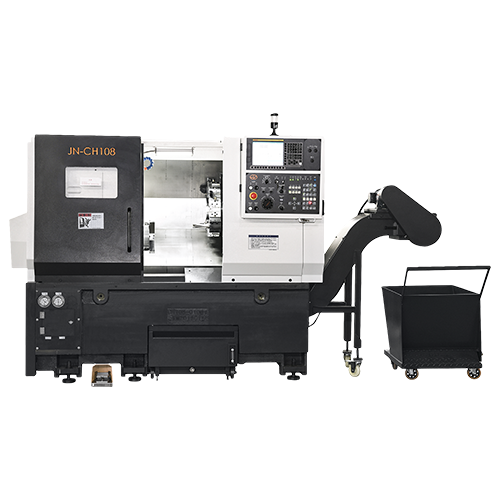
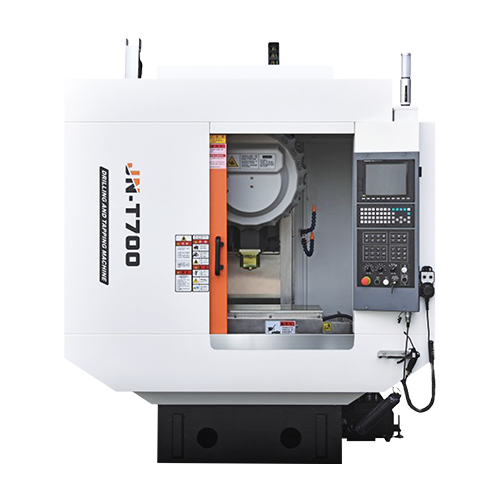
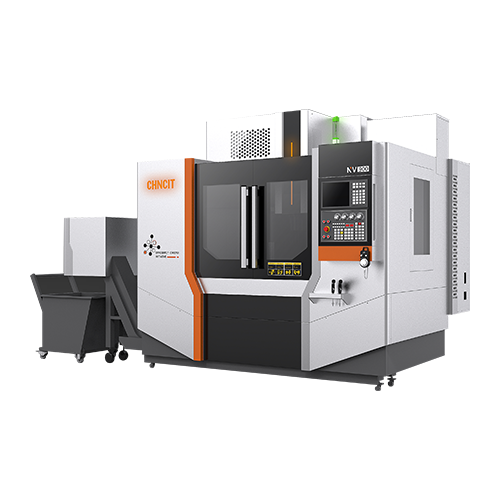
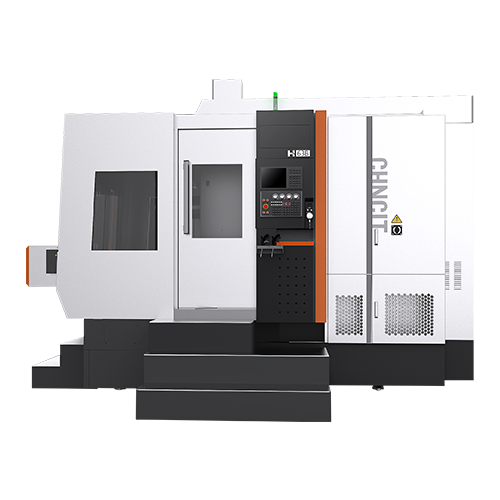
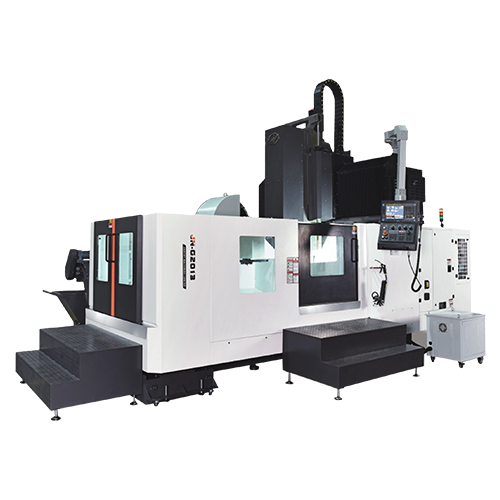
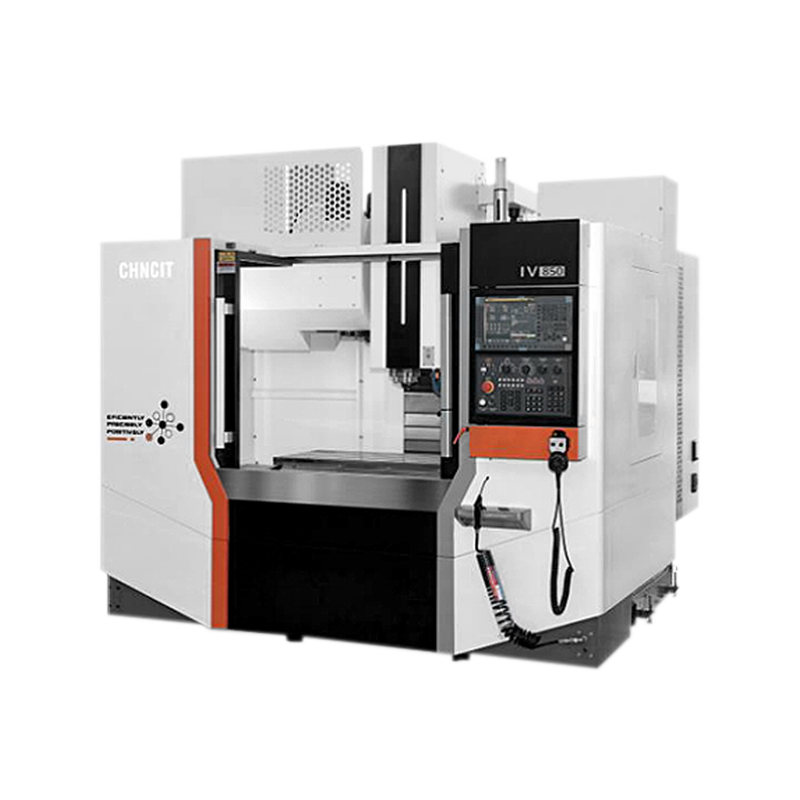
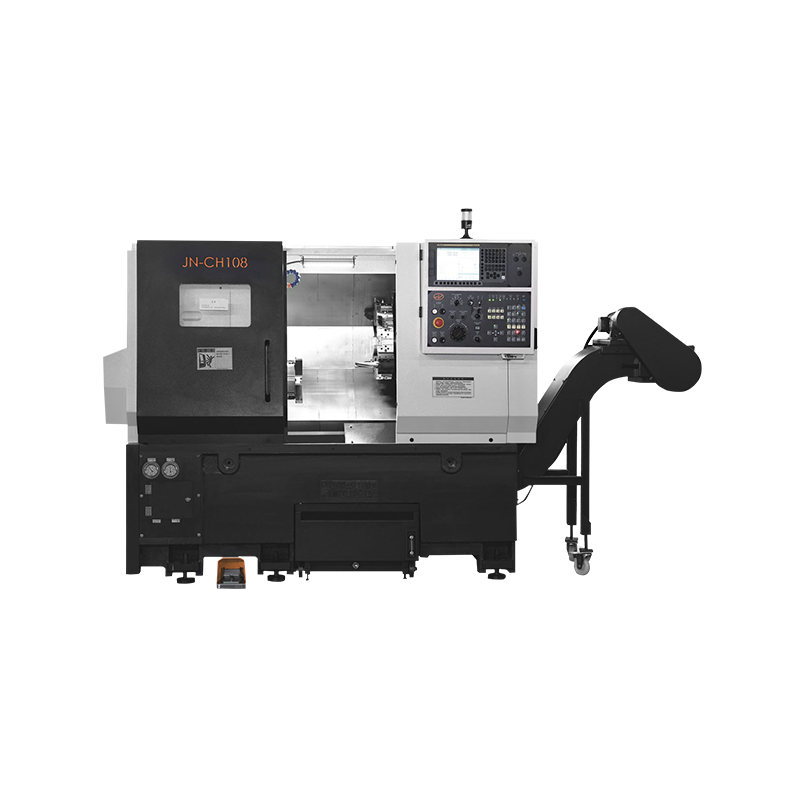
Machining flexibility for various operations like milling, drilling, and tapping;
High precision and efficiency;
Three system choices: Fanuc, mitsubishi, and siemens 828d, with standard original motors;
Belt or Direct type options available for specific product machining requirements.
VIEW MORE 

-
 WHATSAPP
 -
 INS
INS -
 WECHAT
Why Are Precision, Automation, and Rigidity Becoming Key Selection Factors in Modern Milling Equipment?
Author: CHNCIT
Date: Jul 03, 2026
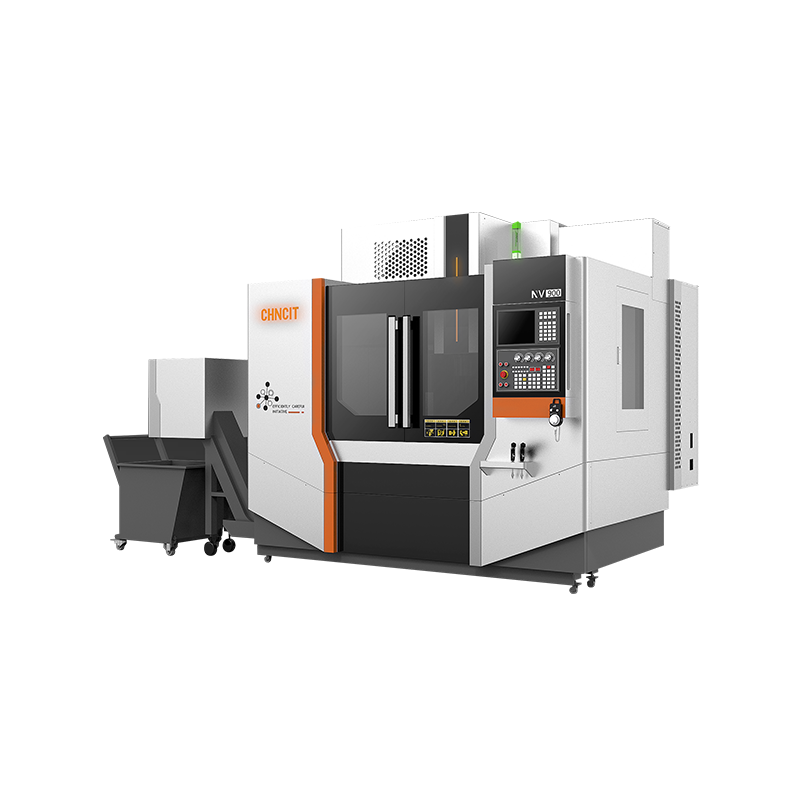
In global manufacturing sectors such as aerospace, automotive parts, mold production, and heavy machinery fabrication, demand for high-precision machining solutions continues to rise. A CNC Vertical Mill Factory is increasingly being searched by procurement managers and production engineers who are prioritizing machining accuracy, production stability, and automation integration. Recent discussions across industrial manufacturing forums and CNC user communities show strong interest in multi-axis vertical machining centers, high-speed spindle stability systems, and automated tool change optimization for mass production. Buyers are no longer evaluating machines based only on basic specifications—they are analyzing rigidity, thermal stability, cutting efficiency, and long-term operational consistency under continuous load conditions.
Machining Precision Is Driving Equipment Upgrade Decisions
Modern industrial production requires extremely tight tolerances, especially in industries such as aerospace components, automotive molds, and precision engineering parts. Even minor deviations can lead to assembly failures or product rejection.
As a result, buyers are prioritizing machine tools that provide stable micron-level accuracy, consistent repeatability, and minimal vibration during high-speed cutting operations.
Structural Rigidity Determines Long-Term Stability
One of the most frequently discussed topics among engineers is machine bed rigidity and structural design. A stable structure directly impacts cutting performance and tool lifespan.
Key structural considerations include:
- High-strength cast iron or mineral casting machine beds
- Reinforced column and base design for vibration resistance
- Linear guideway stability under heavy load machining
- Optimized weight distribution for long production cycles
- Reduced thermal deformation during continuous operation
Stronger rigidity improves both precision and surface finish quality.
Automation Integration Is Becoming a Standard Requirement
With the rise of smart manufacturing, automation is no longer optional. CNC vertical milling systems are increasingly integrated with robotic arms, pallet changers, and centralized control systems.
This allows manufacturers to reduce manual labor dependency, improve production speed, and maintain consistent machining quality across multiple shifts.
Spindle Performance and Speed Control Are Critical Evaluation Points
Spindle technology directly affects cutting efficiency and surface quality. Buyers are now closely evaluating spindle speed range, torque stability, and thermal control systems.
Important performance factors include:
- High-speed spindle balancing for reduced vibration
- Stable torque output for heavy cutting applications
- Advanced cooling systems to prevent overheating
- Long operational lifespan under continuous machining
- Compatibility with high-performance cutting tools
These features ensure stable performance in demanding production environments.
Tool Change Efficiency Impacts Production Output
In mass production environments, tool change time significantly affects overall productivity. Manufacturers are increasingly focused on automatic tool change (ATC) systems with faster and more reliable switching performance.
Efficient tool systems help reduce downtime, improve cycle time, and maintain continuous machining flow without interruption.
Thermal Stability and Accuracy Retention Under Load
Thermal deformation is one of the major challenges in precision machining. Engineers are actively searching for machines with advanced thermal compensation systems and cooling circulation structures.
Effective thermal control ensures that dimensional accuracy remains stable even during long machining cycles and high-speed operations.
Factory-Level Manufacturing Quality Ensures Consistent Performance
Beyond machine design, buyers are also evaluating manufacturing standards, assembly precision, and quality inspection processes. A reliable production system ensures consistent machine performance across different batches.
As a manufacturer, we focus on precision assembly alignment, laser calibration testing, spindle dynamic balancing, guideway accuracy inspection, and full-machine trial cutting verification to ensure stability in real production environments.
As global manufacturing continues to evolve toward higher precision and smarter automation, selecting the right CNC Vertical Mill Factory becomes a strategic decision for production efficiency and long-term machining reliability. A professional CNC Vertical Mill Factory ensures structural stability, machining accuracy, and consistent performance for modern industrial applications.
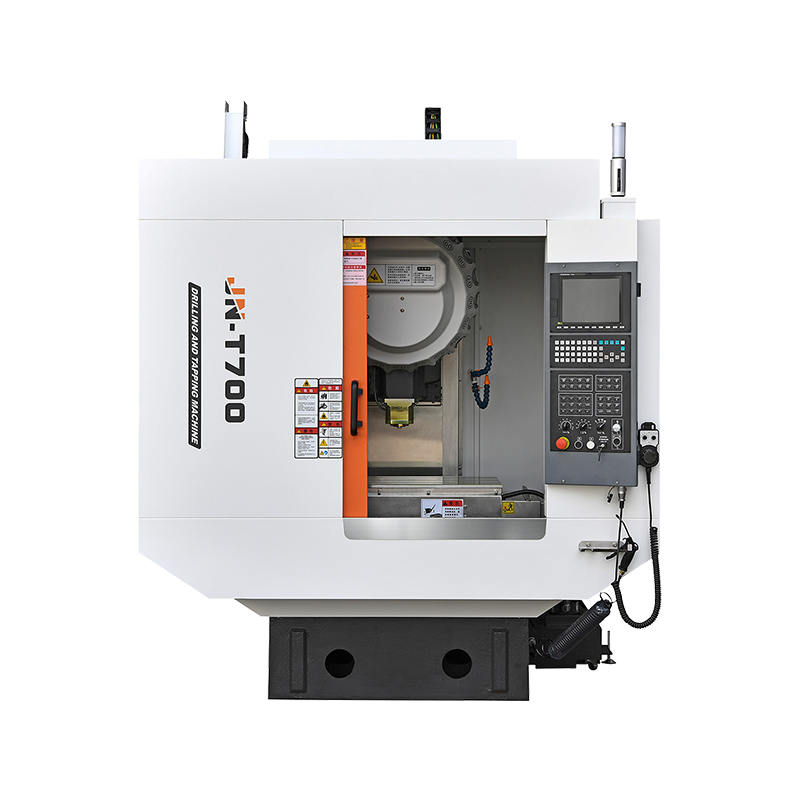

Copyright © Jiangnan CNC Machine Tool Co., Ltd.
