


 简体中文
简体中文 English
 русский
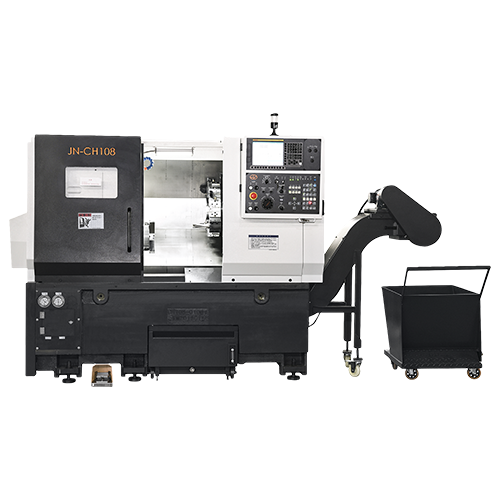
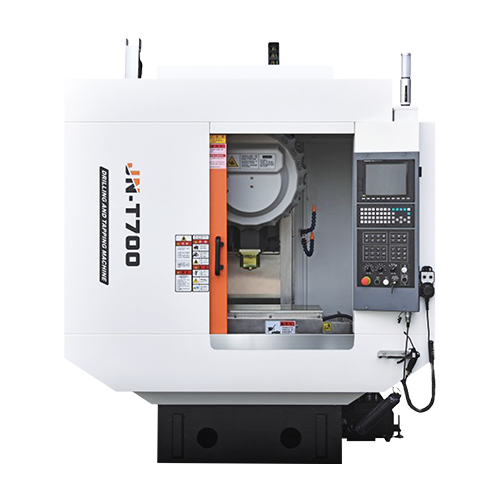
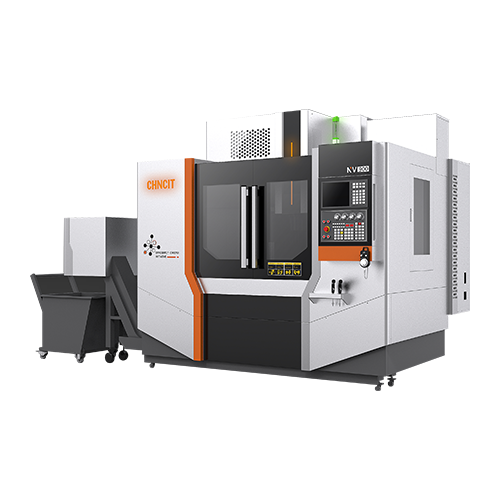
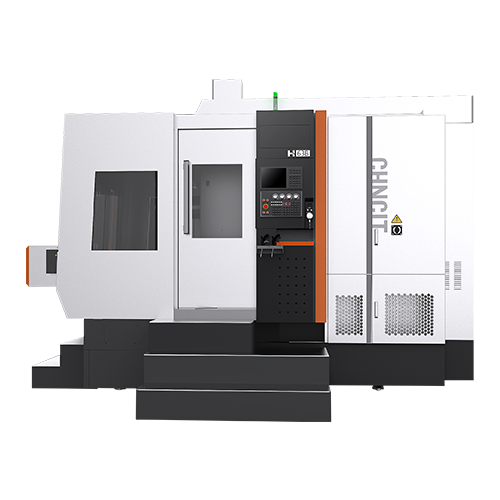
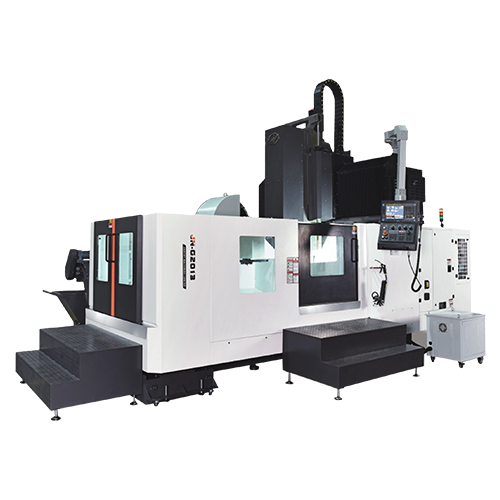
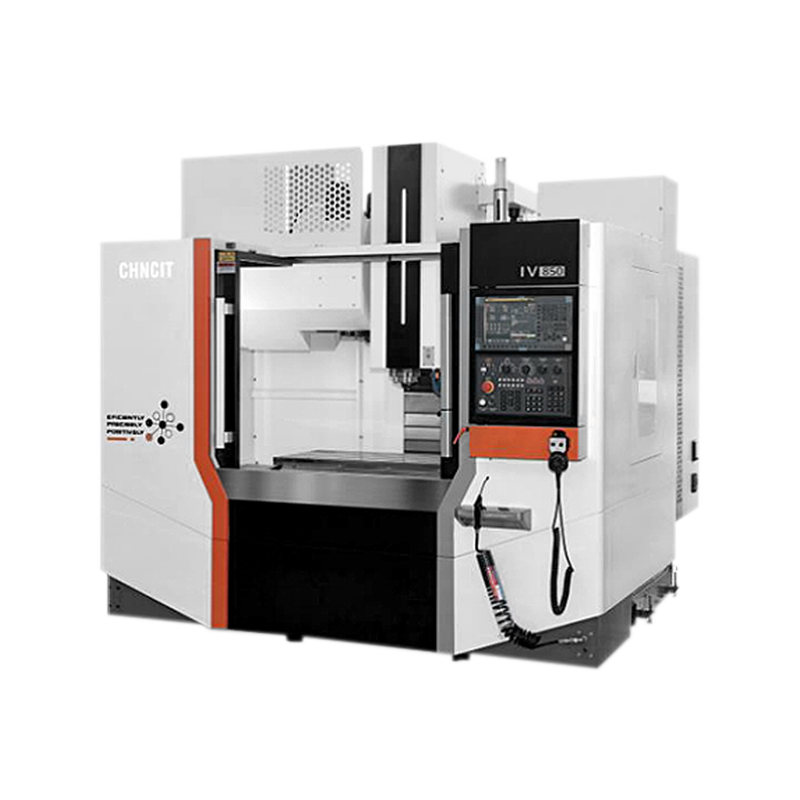
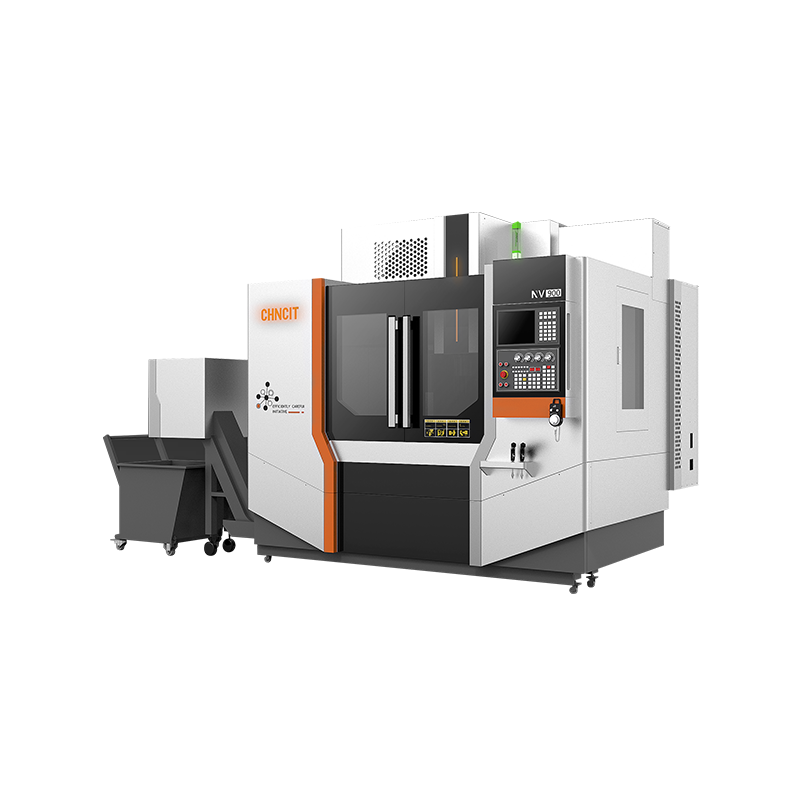
Machining flexibility for various operations like milling, drilling, and tapping;
High precision and efficiency;
Three system choices: Fanuc, mitsubishi, and siemens 828d, with standard original motors;
Belt or Direct type options available for specific product machining requirements.
VIEW MORE 

-
 WHATSAPP
 -
 INS
INS -
 WECHAT
Automatic Lathe Machine Maintenance Issues to Know
Author: CHNCIT
Date: Dec 26, 2025
Imagine this: A bustling factory floor, where multiple machines are working overtime to meet production deadlines. One machine, an Automatic Lathe Machine, is running continuously, processing high-precision automotive parts. Suddenly, an error occurs, halting production and causing significant delays. The issue? A lack of regular maintenance.
This is a common scenario in many manufacturing plants that rely on CNC Lathe Machines. While these machines are known for their precision and automation, without proper maintenance, even the more advanced lathe machines can face unexpected breakdowns and costly repairs. As a CNC Lathe Manufacturer, Jiangnan CNC Machine Tool Co., Ltd. understands the importance of regular maintenance to prevent costly breakdowns and ensure smooth production.
1. Spindle and Motor Wear
The spindle is one of the more crucial components of any Automatic Lathe Machine. Over time, wear and tear can cause misalignment, leading to production delays, poor part quality, and machine failure. Regularly checking for signs of spindle wear, such as unusual vibrations or decreased cutting performance, can help prevent this problem.
Tip: Schedule routine checks and cleaning of the spindle. Pay attention to any changes in motor sounds or unusual heat buildup, as these can signal potential issues.
2. Tooling and Cutting Tool Maintenance
The cutting tools used in automatic lathe machines are subject to significant wear due to constant contact with hard materials. Dull or damaged tools not only compromise the quality of your parts but also put unnecessary strain on the machine itself.
Tip: Regularly inspect cutting tools for signs of wear, such as chipped edges, discoloration, or increased cutting force.
3. Hydraulic and Lubrication Systems
Hydraulic systems power various functions on CNC Lathe Machines, from tool changers to clamping mechanisms. If these systems aren’t maintained, they can fail, causing significant downtime. The lubrication system is just as important, as insufficient lubrication can lead to excessive friction, heat buildup, and premature part failure.
Tip: Regularly check fluid levels and replace hydraulic fluid according to the manufacturer’s recommendations. Ensure that lubrication points are clean and that oils or greases are of the correct type and viscosity.
4. Electrical and Control System Failures
In today’s automated world, much of the functionality of an Automatic Lathe Machine relies on its electrical and control systems. Problems with wiring, sensors, or the control unit can lead to malfunctions or even catastrophic breakdowns.
Tip: Inspect electrical connections and ensure that cables are in good condition and properly routed. Look for signs of overheating, such as burnt components or unusual odors.
5. Cooling System Issues
Overheating can severely affect the performance of any lathe machine. The cooling system, which prevents heat buildup in the spindle and cutting tools, plays a critical role in machine longevity. If the cooling system is not maintained, parts may overheat, leading to accelerated wear and potential failures.
Tip: Clean the cooling system regularly to prevent debris buildup. Monitor the temperature readings and ensure the cooling fluid is free of contaminants.
6. Preventive Maintenance Training for Operators
One of the nicely ways to prevent maintenance issues is to ensure that your operators are well-trained in recognizing potential problems early. Operators should understand the basics of machine operation, regular checks, and how to spot signs of wear or malfunction.
Tip: Develop a comprehensive training program for all operators that includes machine handling, preventive checks, and troubleshooting.

Copyright © Jiangnan CNC Machine Tool Co., Ltd.
