


 简体中文
简体中文 English
 русский
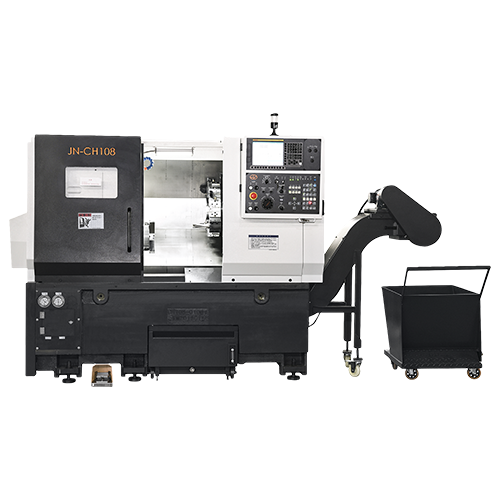
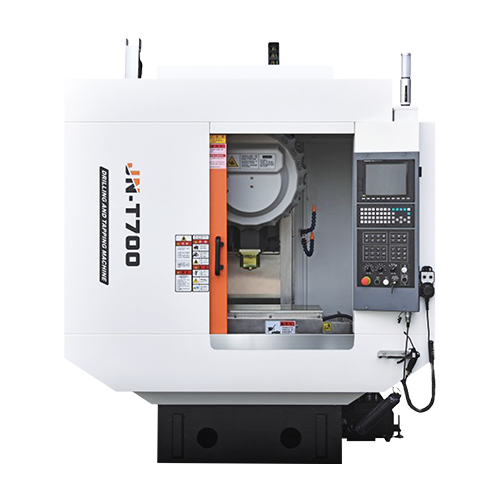
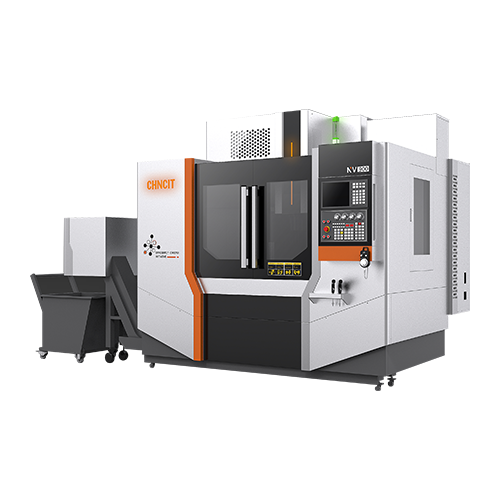
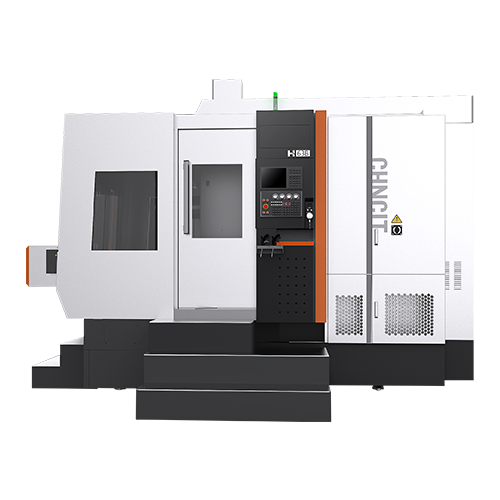
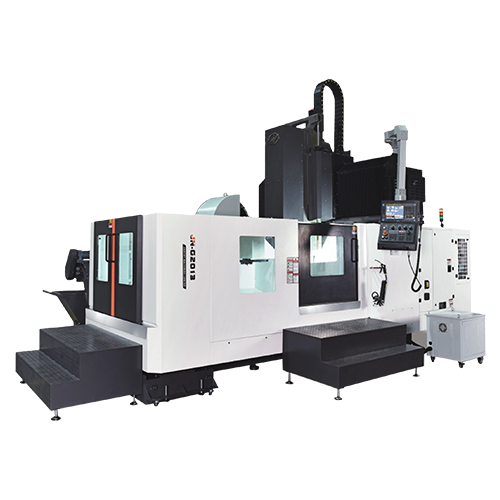
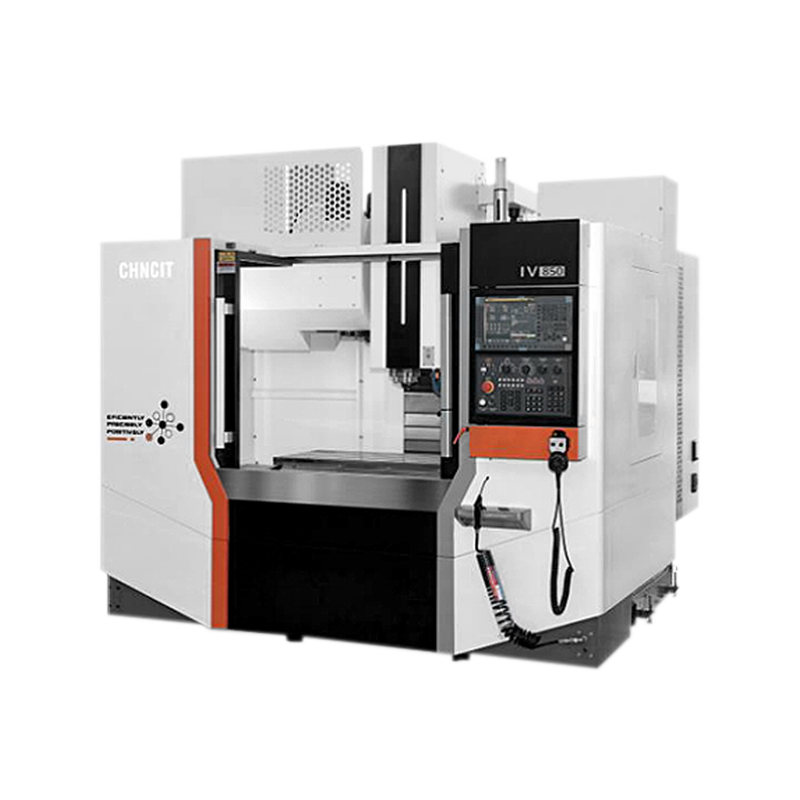
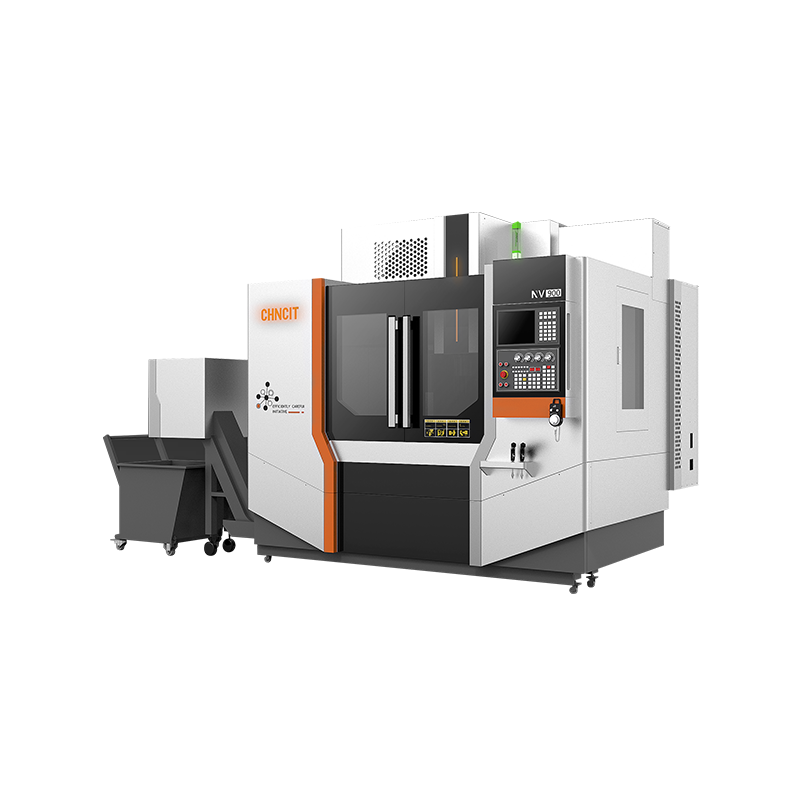
Machining flexibility for various operations like milling, drilling, and tapping;
High precision and efficiency;
Three system choices: Fanuc, mitsubishi, and siemens 828d, with standard original motors;
Belt or Direct type options available for specific product machining requirements.
VIEW MORE 

-
 WHATSAPP
 -
 INS
INS -
 WECHAT
CNC Lathe Buy Guide: Size, Precision, Power and Warranty
Author: CHNCIT
Date: Dec 19, 2025
Investing in a CNC Lathe Manufacturer’s equipment is a significant step for any manufacturing business. Whether you are considering an entry-level CNC lathe or a fully automated solution, understanding the key factors before purchase can help prevent costly mistakes. An Automatic Lathe Machine offers advanced capabilities, reducing manual work and enhancing precision, but not all machines are equally suited for every operation.
1. Size and Workpiece Capacity
The size of a CNC lathe dictates what type of workpieces it can handle. It’s essential to evaluate both the swing diameter and the distance between centers before making a purchase.
Swing Diameter: This is the maximum size of the workpiece that the machine can accommodate. Buyers should consider the types of parts they plan to produce—such as automotive components, aerospace parts, or intricate mechanical pieces.
Distance Between Centers: This refers to the length of the material that can be processed. Machines with longer distances between centers are ideal for larger components, whereas compact machines work well for smaller, precise parts.
2. Precision and Accuracy
One of the primary advantages of CNC lathes over manual machines is their ability to deliver high precision and repeatability. Buyers should look at the machine’s tolerance range and repeatability, as these will determine the consistency of the products.
Repeatability: This refers to how accurately the machine can reproduce the same part after multiple cycles. A high-precision lathe is essential for industries where even small deviations can result in product defects.
Positioning Accuracy: This is the degree to which the machine can position the cutting tool at exact coordinates.
3. Power and Speed
The power of the CNC lathe’s motor will determine how effectively it can cut through various materials, while the spindle speed defines the machine’s cutting capabilities.
Motor Power: A stronger motor enables the machine to handle tougher materials and higher cutting forces. It’s important to match the motor’s power with the materials and part sizes that will be processed.
Spindle Speed: Higher speeds allow for faster machining, but depending on the material and tool, too high of a spindle speed may result in tool wear.
4. Warranty and After-Sales Service
The warranty and after-sales service offered by the CNC Lathe Manufacturer is another key element to consider. A machine’s reliability over time depends heavily on the support available for maintenance and parts replacement.
Warranty Period: Ensure that the machine comes with a comprehensive warranty that covers essential parts and provides protection against manufacturing defects.
Maintenance Services: Ask about regular maintenance schedules, including how easy it is to get parts, and whether the manufacturer offers remote diagnostics or on-site support.
5. Cost-Effectiveness and ROI
When evaluating a CNC lathe, it’s essential to consider the total cost of ownership. While the initial purchase price is important, long-term maintenance, energy consumption, and productivity are critical factors. A machine that is slightly more expensive upfront may offer better value in the long run if it requires less maintenance and operates more efficiently.
Operating Costs: Look at the machine’s power consumption, cutting tool longevity, and maintenance needs.
Long-Term ROI: Consider how much time the machine will save you in the production process and how it can reduce labor costs and waste.
Choosing a CNC Lathe Machine with a higher upfront cost may be worth the investment if it improves productivity and reduces overall operational costs.

Copyright © Jiangnan CNC Machine Tool Co., Ltd.
