


 简体中文
简体中文 English
 русский
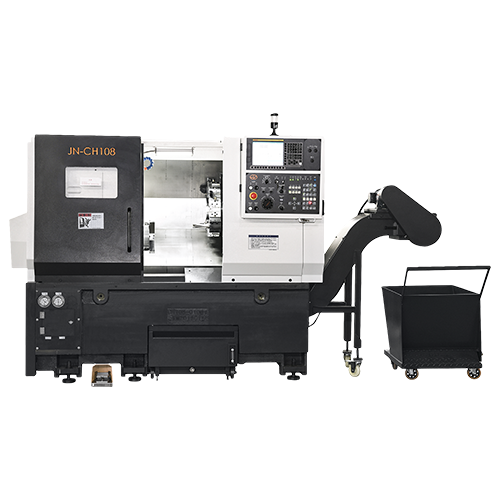
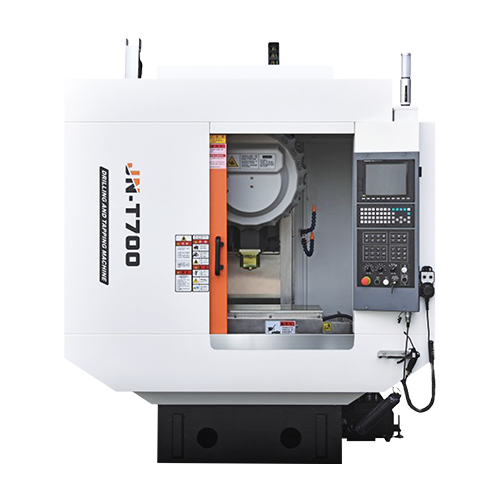
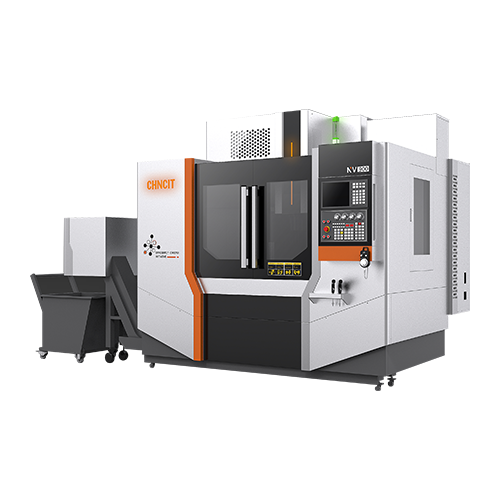
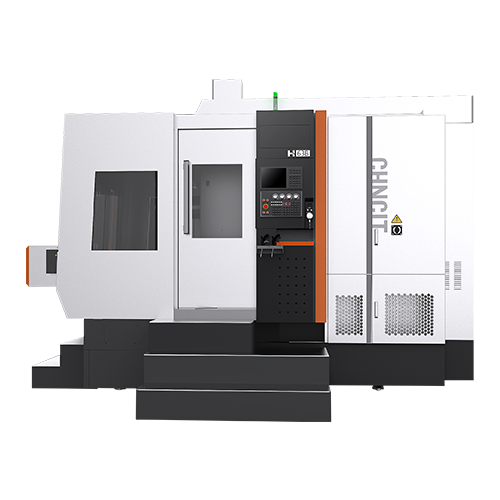
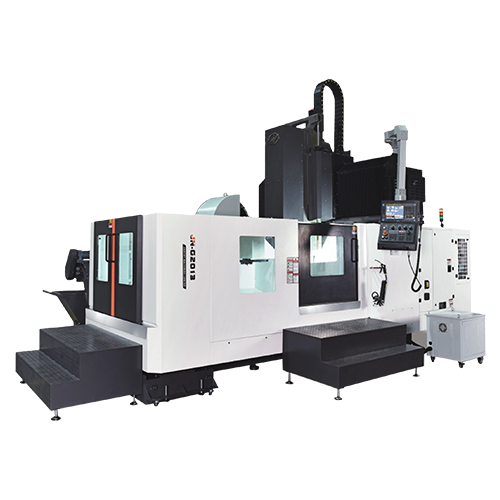
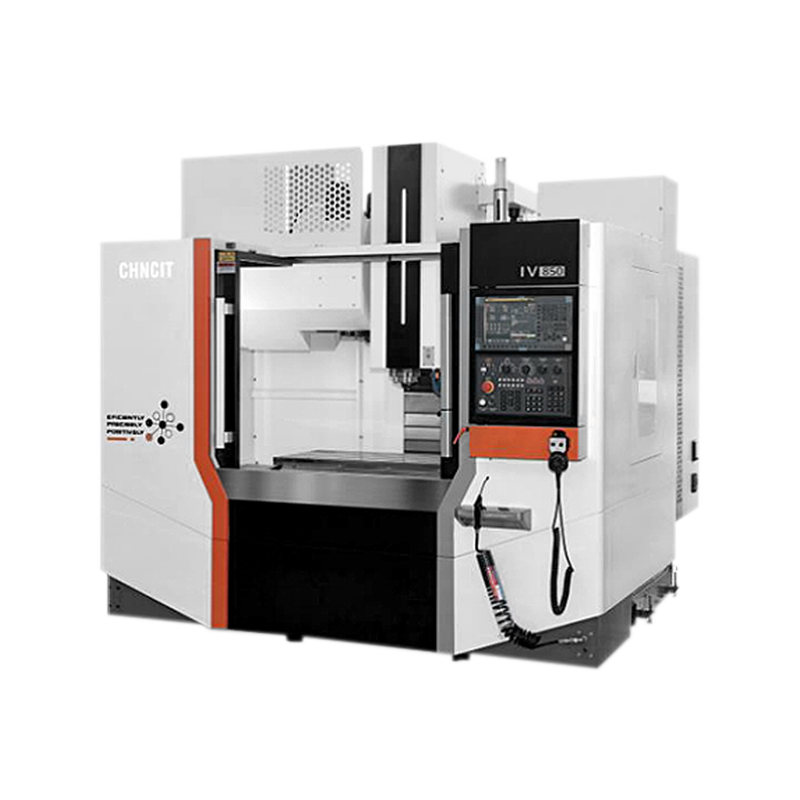
Machining flexibility for various operations like milling, drilling, and tapping;
High precision and efficiency;
Three system choices: Fanuc, mitsubishi, and siemens 828d, with standard original motors;
Belt or Direct type options available for specific product machining requirements.
VIEW MORE 

-
 WHATSAPP
 -
 INS
INS -
 WECHAT
How Can Horizontal Machining Centers Improve Multi-Process Metal Production?
Author: CHNCIT
Date: Oct 02, 2026
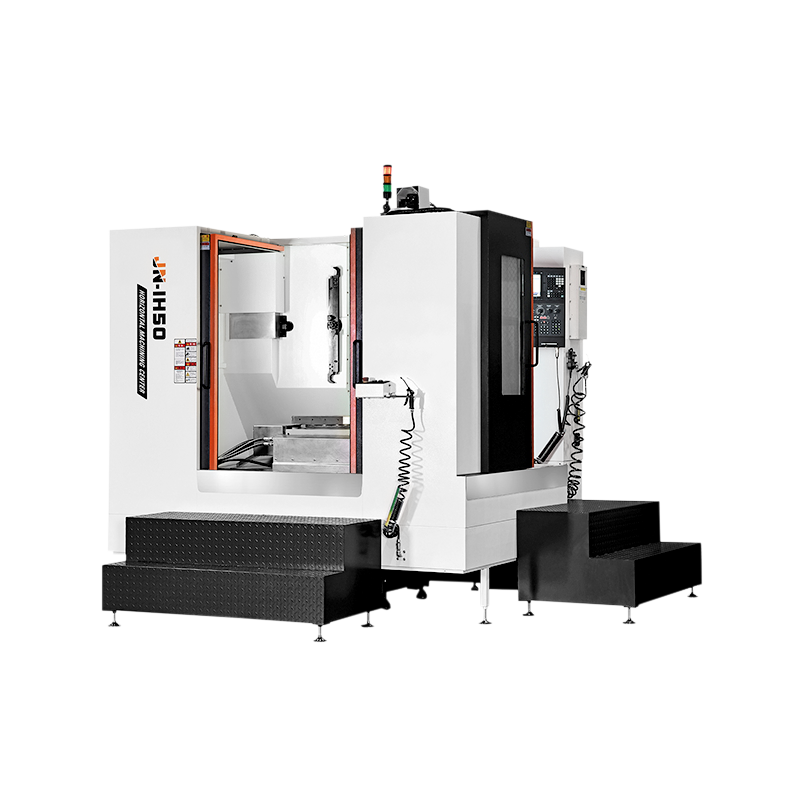
Modern machining operations are under pressure to handle more complex parts, shorter production cycles, and changing order requirements without creating unnecessary setup work. For manufacturers evaluating Horizontal Machining Centers, the important question is not simply spindle speed or machine size. Engineers and procurement teams also need to consider workpiece access, fixture strategy, chip evacuation, pallet handling, tool management, and how easily the machine can connect with the rest of the production process. Recent developments in machining are placing greater attention on automation, digital controls, and flexible production cells, making machine integration an important part of equipment selection.
Start With the Part and Its Process Route
The first step is to understand how the workpiece moves through production. Parts requiring machining on several faces may benefit from a horizontal spindle arrangement because the production process can be planned around different workpiece orientations and multiple operations.
Before requesting quotations, buyers should identify:
- Number of machining operations
- Workpiece dimensions and weight
- Required tolerances and surface requirements
- Number of setups currently required
- Fixture and workholding arrangements
- Expected production volume and product variety
This information provides a more useful basis for selecting a machine than comparing isolated specifications.
Reduce Setup Work Where It Matters
Repeated repositioning can consume production time and introduce opportunities for alignment errors. A horizontal machining strategy can allow manufacturers to organize several operations around a single workholding arrangement when the part design and fixture permit it.
For engineers, the objective should not be to eliminate every setup. Instead, the machine should be evaluated according to whether its configuration can reduce unnecessary handling while maintaining the required machining accuracy and accessibility.
Think About Chip Evacuation During Heavy Cutting
Chip management is an important practical consideration when machining metals. Chips that remain around the cutting area can interfere with the process, affect tool conditions, or increase cleaning requirements.
The horizontal machining configuration can support chip evacuation by allowing chips to fall away from the work area more naturally than in some other machine arrangements. However, actual results still depend on cutting parameters, coolant delivery, enclosure design, workpiece geometry, and the material being machined.
Automation Should Match the Production Pattern
Automation is becoming increasingly connected with modern machining-center purchasing decisions. Current industry demonstrations are combining CNC machines with robot loading, pallet systems, tool management, and other production equipment rather than treating the machine as an isolated unit.
For a buyer, this does not mean that every factory needs a fully automated cell. A better approach is to ask where automation can solve a specific production problem, such as:
- Repetitive loading and unloading
- Long unattended machining cycles
- Frequent pallet changes
- High-volume repeat production
- Reducing manual material handling
Digital Functions Need a Practical Purpose
Modern CNC equipment increasingly provides access to production data, process monitoring, probing, tool information, and other digital functions. Research into advanced manufacturing cells is also examining how sensing, digital models, and adaptive control can work together during machining.
For procurement teams, digital functions should be evaluated according to their actual production value. Useful questions include whether the system can help monitor tool conditions, simplify setup, support quality inspection, or provide information for maintenance decisions. Buying digital features without a clear production purpose can add complexity rather than solve a problem.
Workholding Can Determine the Real Capability
Even a capable machining center cannot deliver its intended performance if the workholding system is poorly matched to the part. Fixture rigidity, access to cutting areas, loading direction, locating accuracy, and changeover time all influence the practical efficiency of the machine.
Manufacturers should therefore discuss the workpiece and fixture together when planning a new machining system. This is particularly important for buyers producing several part families on the same equipment.
Consider the Machine as Part of the Production Cell
For manufacturers, Horizontal Machining Centers should be evaluated as part of a complete production strategy rather than as standalone CNC equipment. Machine structure, spindle configuration, workholding, chip management, tooling, automation, and digital functions all need to work together with the actual production process. As overseas manufacturers continue exploring flexible and increasingly automated machining cells, buyers can gain more value by defining their production challenges first and then selecting a horizontal machining solution around those requirements.

Copyright © Jiangnan CNC Machine Tool Co., Ltd.
