


 简体中文
简体中文 English
 русский
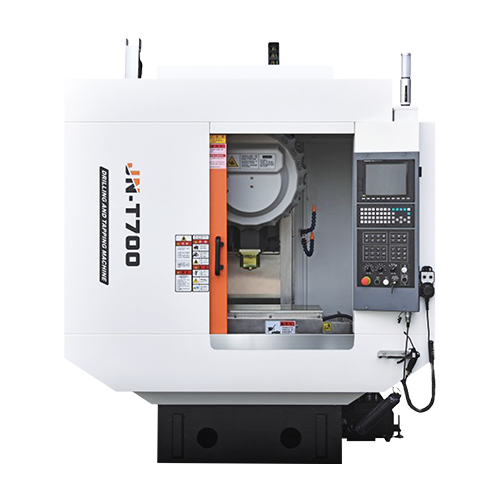
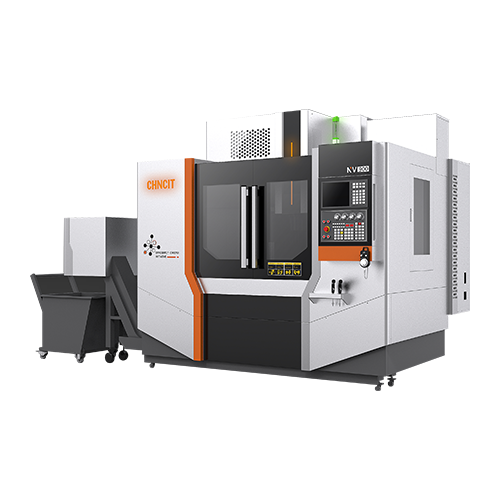
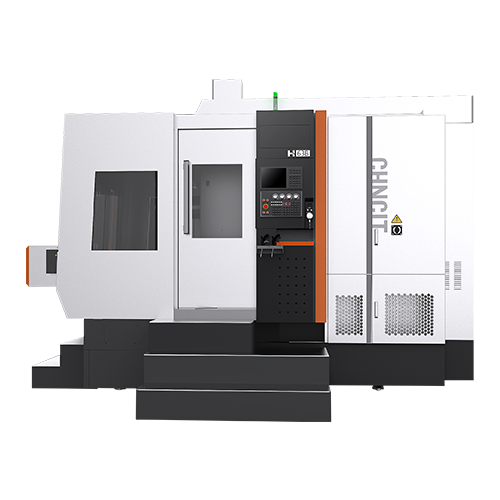
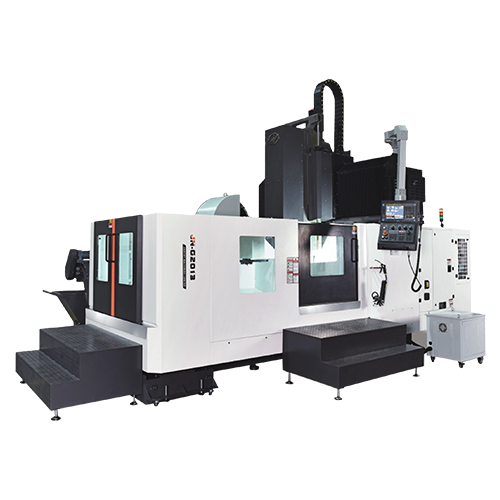
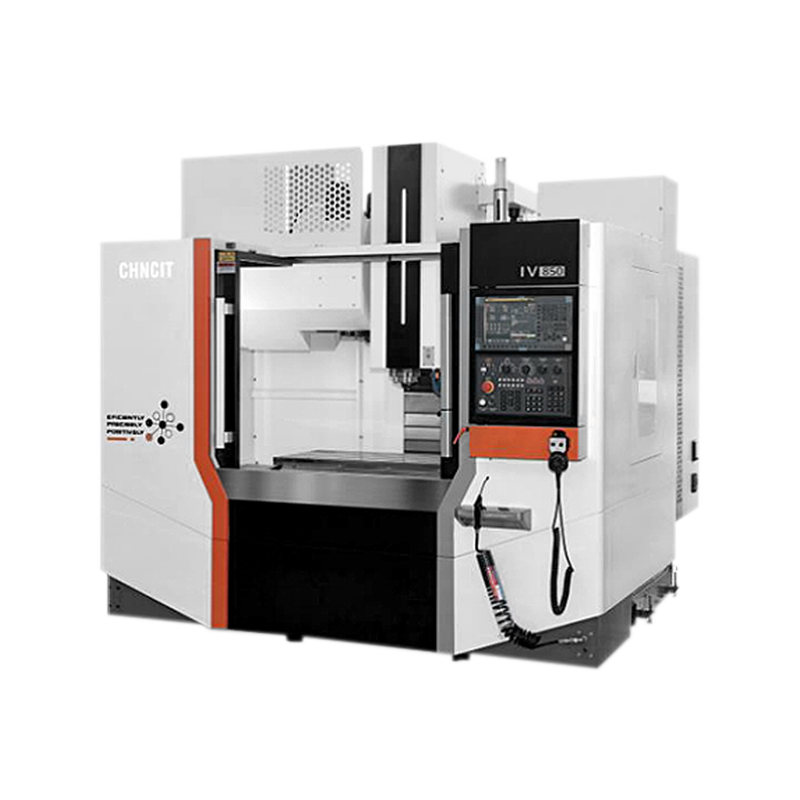
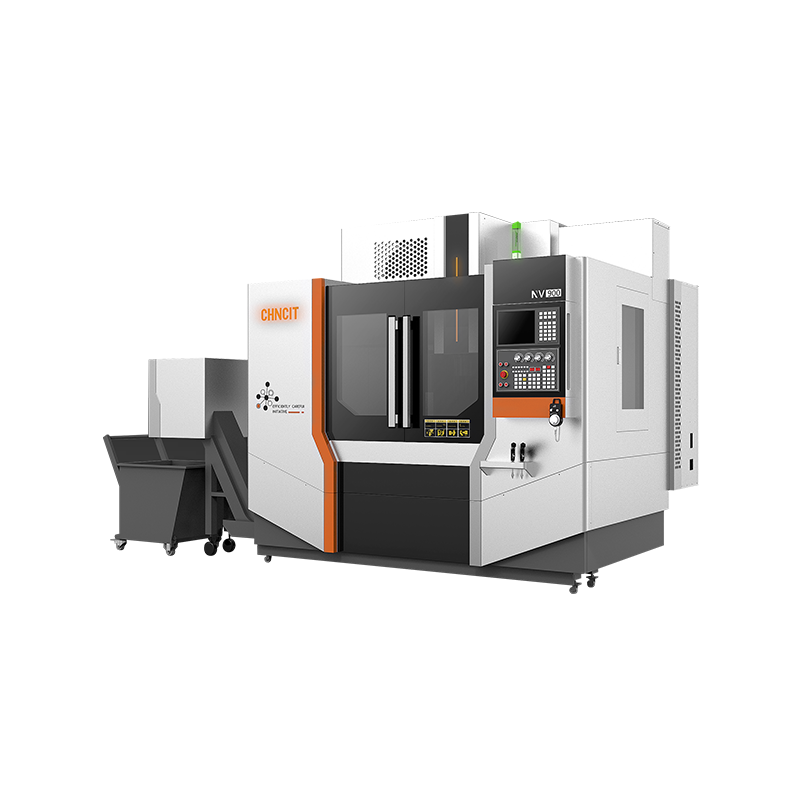
Machining flexibility for various operations like milling, drilling, and tapping;
High precision and efficiency;
Three system choices: Fanuc, mitsubishi, and siemens 828d, with standard original motors;
Belt or Direct type options available for specific product machining requirements.
VIEW MORE 

-
 WHATSAPP
 -
 INS
INS -
 WECHAT
Can Better Machine Monitoring Make CNC Milling More Predictable?
Author: CHNCIT
Date: Sep 25, 2026
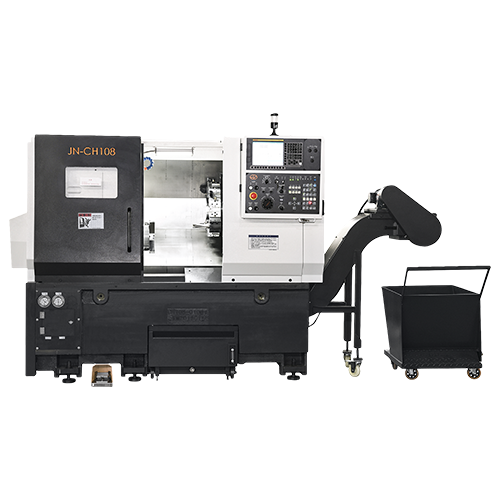
For manufacturers investing in new machining equipment, knowing what happens during production can be nearly as important as the machine's basic specifications. Operators and engineers need to understand machine status, operating conditions, and potential process issues before they affect production. As digital monitoring becomes more relevant in modern manufacturing, a CNC Milling Machine Factory has an opportunity to address these needs through equipment design, control integration, and practical data functions rather than adding technology without a clear purpose.
Visibility Starts With Equipment Design
Machine monitoring is most useful when the underlying equipment has been designed with clear operating information in mind. Spindle status, axis movement, alarms, operating cycles, and other machine conditions can provide valuable information for production teams.
For equipment manufacturers, this means considering monitoring requirements during the design stage. Control architecture, sensors, electrical components, and communication interfaces need to work together so that useful machine information can be collected and presented in a practical way.
Operators Need Useful Information
More data does not automatically mean better production management. If operators receive excessive or unclear information, it can become difficult to identify which conditions actually require attention.
A well-planned CNC milling machine should focus on information that supports real production decisions. Depending on the machine configuration, useful monitoring may include:
- Current machine operating status
- Spindle and axis operating conditions
- Alarm and fault information
- Production cycle information
- Selected equipment condition data
- Maintenance-related alerts where supported
The specific monitoring functions should be matched with the application rather than included simply to make the machine appear more advanced.
Machine Data Can Support Maintenance Planning
Unexpected equipment problems can interrupt production schedules and complicate delivery planning. Monitoring machine conditions can give maintenance teams additional information when evaluating equipment status.
Recent CNC research is also exploring machine-learning approaches for tool-wear prediction, showing how machining data can increasingly support condition-based decision-making.
For equipment manufacturers, however, reliable data collection still begins with the machine itself. Sensors, control components, wiring, communication systems, and software functions need to be properly integrated during manufacturing.
Connectivity Should Serve the Production Process
Modern factories may want CNC equipment to communicate with production management systems or other machines. This can help production teams understand equipment utilization and coordinate manufacturing activities more effectively.
However, connectivity requirements can vary considerably between customers. Some buyers may need basic machine status information, while others may have more developed digital production environments.
A capable manufacturer should therefore discuss communication requirements before production and determine which interfaces and functions are appropriate for the intended application.
Monitoring Does Not Replace Mechanical Quality
Digital functions can provide useful information, but they cannot compensate for weak machine construction or inconsistent manufacturing.
A reliable monitoring system still depends on a properly manufactured machine. Structural assembly, axis alignment, spindle installation, electrical connections, and component inspection all remain fundamental parts of equipment quality.
For this reason, digital monitoring should complement mechanical engineering rather than become a substitute for it.
Testing Must Include Integrated Functions
When monitoring and communication features are part of the machine configuration, they should be checked as part of final equipment testing.
Manufacturers can verify whether sensors, control functions, displays, alarms, communication interfaces, and related components operate according to the agreed requirements. Testing the complete machine also helps ensure that individual components work together correctly after assembly.
This is particularly important for customized equipment, where monitoring requirements may differ from the manufacturer's standard configuration.
Practical Digitalization Starts With the Manufacturer
The future of CNC machining is becoming increasingly connected, with research and industry development focusing on real-time machine data, process monitoring, automation, and digital twins. Yet successful digitalization does not begin with adding the most advanced technology available. It begins with understanding what information the production team actually needs.
As a CNC Milling Machine Factory, we approach intelligent equipment from the perspective of complete machine engineering. By integrating mechanical design, electrical systems, control functions, monitoring requirements, manufacturing, assembly, and testing, we aim to provide CNC milling equipment that gives industrial buyers not only machining capability, but also clearer visibility into how their equipment operates.

Copyright © Jiangnan CNC Machine Tool Co., Ltd.
