


 简体中文
简体中文 English
 русский
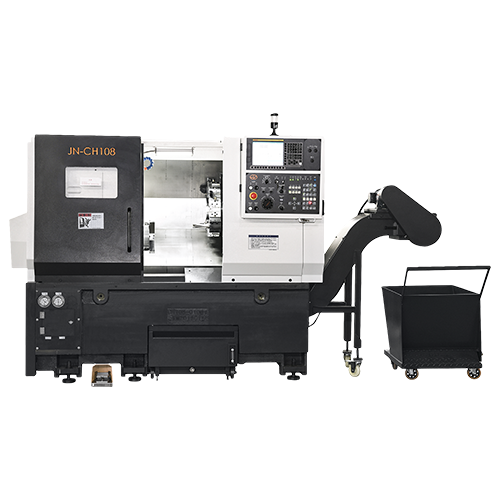
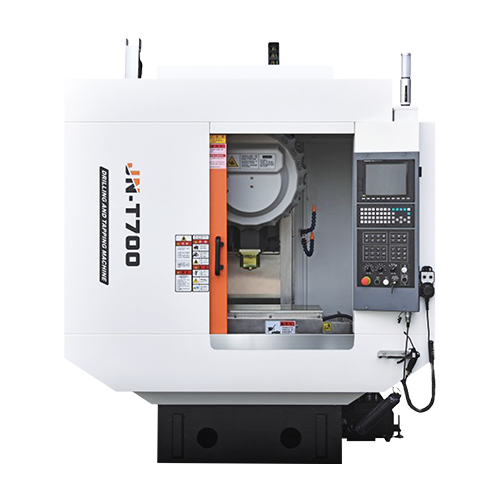
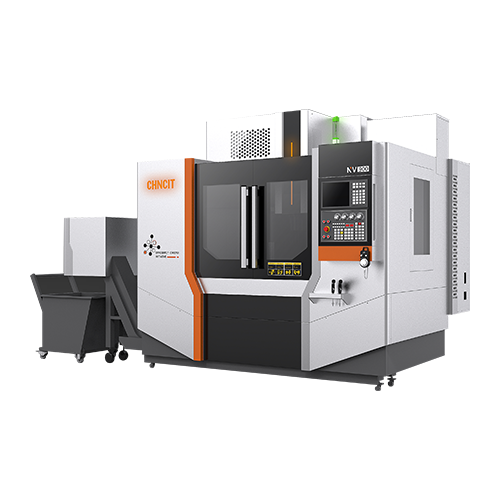
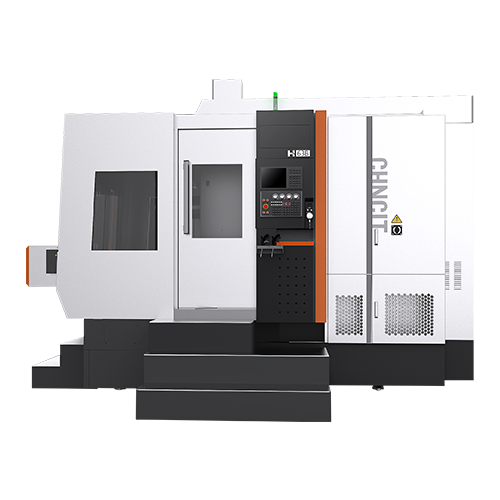
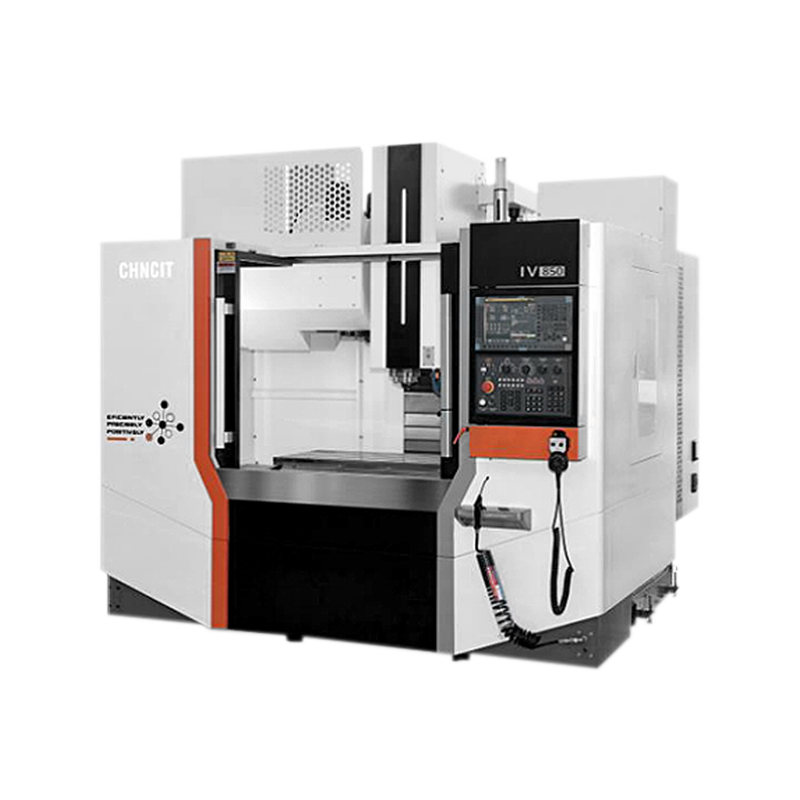
Machining flexibility for various operations like milling, drilling, and tapping;
High precision and efficiency;
Three system choices: Fanuc, mitsubishi, and siemens 828d, with standard original motors;
Belt or Direct type options available for specific product machining requirements.
VIEW MORE 

-
 WHATSAPP
 -
 INS
INS -
 WECHAT
How To Reduce Vibration On A CNC Gantry Machine
Author: CHNCIT
Date: Apr 03, 2026
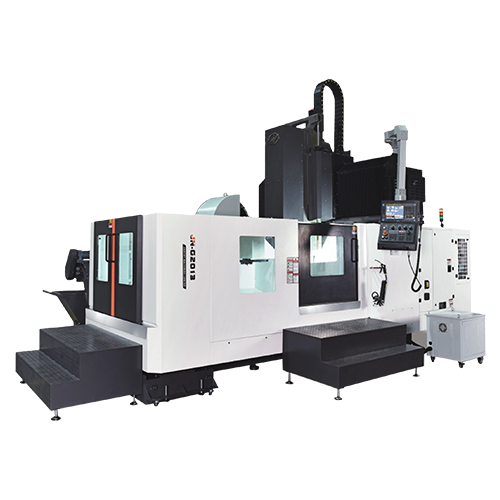
Reducing vibration during heavy cutting operations remains a primary challenge for shops operating large-scale milling equipment. Many production managers have recently asked: What practical steps can eliminate chatter on a CNC gantry machine when removing substantial material volumes? A CNC gantry machining center typically features a massive moving bridge or fixed rail structure, yet vibration can still compromise part quality and tool life.
Understanding the root sources of vibration
Users frequently ask where vibration originates on large gantry structures. Based on real production feedback, three primary sources dominate:
- Structural rigidity gaps: Long spans between columns allow flex under cutting forces, especially when machining hard metals like stainless steel or Inconel.
- Spindle imbalance or bearing wear: High-torque spindles running at variable speeds can excite natural frequencies of the gantry beam.
- Workpiece resonance: Thin-walled or poorly supported large plates act as diaphragms, amplifying oscillations.
One user explained, “We tried slowing down feed rates, but vibration only shifted frequency instead of disappearing.” This observation matches engineering data: slowing feed changes the excitation point but does not eliminate the underlying structural or dynamic issue.
Practical engineering solutions from production floors
To address these sources, several methods have proven effective across job shops and aerospace component suppliers:
1. Increase dynamic stiffness through strategic mass addition
Adding tuned mass dampers to the crossbeam of a CNC Gantry Machine absorbs low-frequency vibrations. Some users fill hollow sections with epoxy-granite composite, which raises damping ratios from roughly 0.02 to over 0.08. One aerospace parts manufacturer reported a 40% reduction in chatter marks after retrofitting two side columns with sand-filled chambers.
2. Optimize tool path strategies for engagement stability
Instead of constant radial engagement, variable helix end mills and trochoidal milling paths keep cutting forces steady. A user running a CNC Gantry Machining Center for titanium ribs switched from conventional slotting to dynamic milling cycles. The result: vibration amplitude dropped by more than half, and tool life tripled without changing spindle speed.
3. Adjust spindle speed modulation (SSM)
Modern controls allow small, periodic speed variations (±5% to ±10%) to break harmonic build-up. One heavy equipment manufacturer applied SSM at 12,000 rpm with a 8% modulation depth. Chatter disappeared completely during finish passes on a 3-meter-long steel base plate.
4. Improve workpiece clamping and support
Many users underestimate how much part rigidity matters. Hydraulic edge clamps combined with grid-style support tables distribute cutting forces evenly. For thin aluminum skins, vacuum pods placed every 300 mm reduced resonant peaks by a measured 35 dB.
Common mistakes that worsen vibration
Through forums and direct customer support calls, Jiangnan CNC Machine Tool Co., Ltd. has identified recurring errors:
- Over-tightening spindle taper connections, which distorts tool holder geometry
- Using extension holders longer than necessary (every 50 mm of overhang reduces system stiffness by roughly 30%)
- Ignoring rail lubrication schedules – dry linear guides introduce stick-slip excitation
One user wrote, “After switching to short, thick-walled holders and reducing overhang from 120 mm to 60 mm, the CNC Gantry Machine sounded completely different. Vibration went from intolerable to negligible.”
When to inspect mechanical components
Persistent vibration that resists parameter changes often signals mechanical wear. Check:
- Ball screw support bearings for axial play (acceptable <0.005 mm)
- Rack and pinion mesh for uneven tooth contact (use marking compound)
- Guide rail straightness (deviation should not exceed 0.02 mm per meter)
If any of these exceed tolerances, structural vibration will remain regardless of cutting parameters. A maintenance engineer shared, “We chased vibration for six months, changing speeds and tools. Finally we found the right-side rail had a 0.07 mm dip over 400 mm. Re-shimming the rail fixed everything.”
Start with the least invasive change: modify tool paths and spindle speed modulation. Only after exhausting these should you consider mechanical damping or structural reinforcement. Document each change’s effect on vibration amplitude using an accelerometer or even a smartphone vibration analysis app. Systematic testing, not guesswork, yields reliable vibration reduction on any CNC Gantry Machining Center.

Copyright © Jiangnan CNC Machine Tool Co., Ltd.
