


 简体中文
简体中文 English
 русский
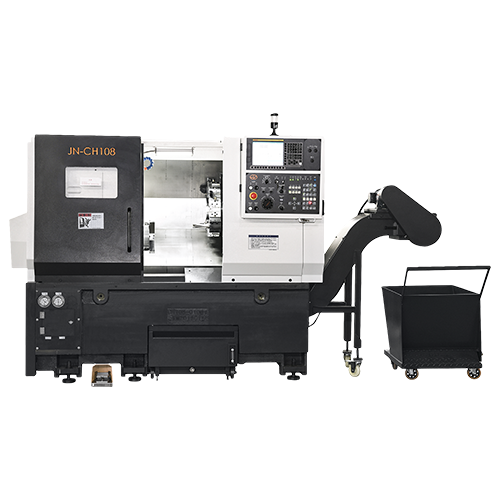
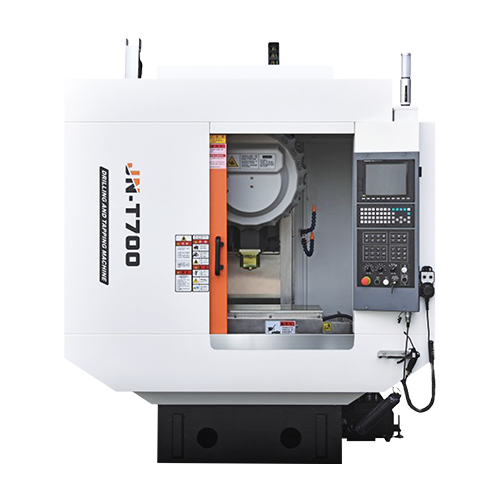
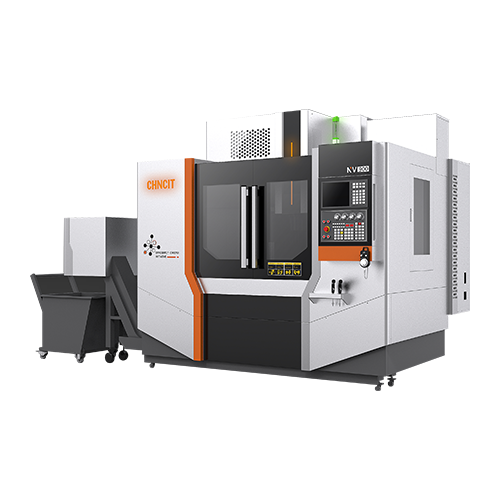
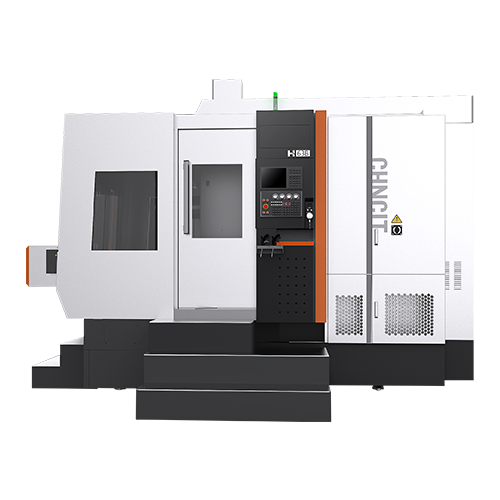
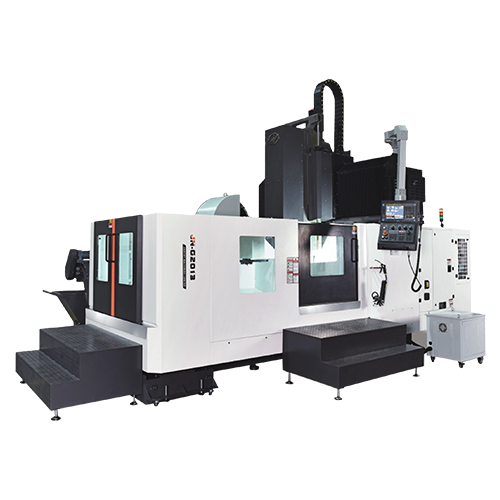
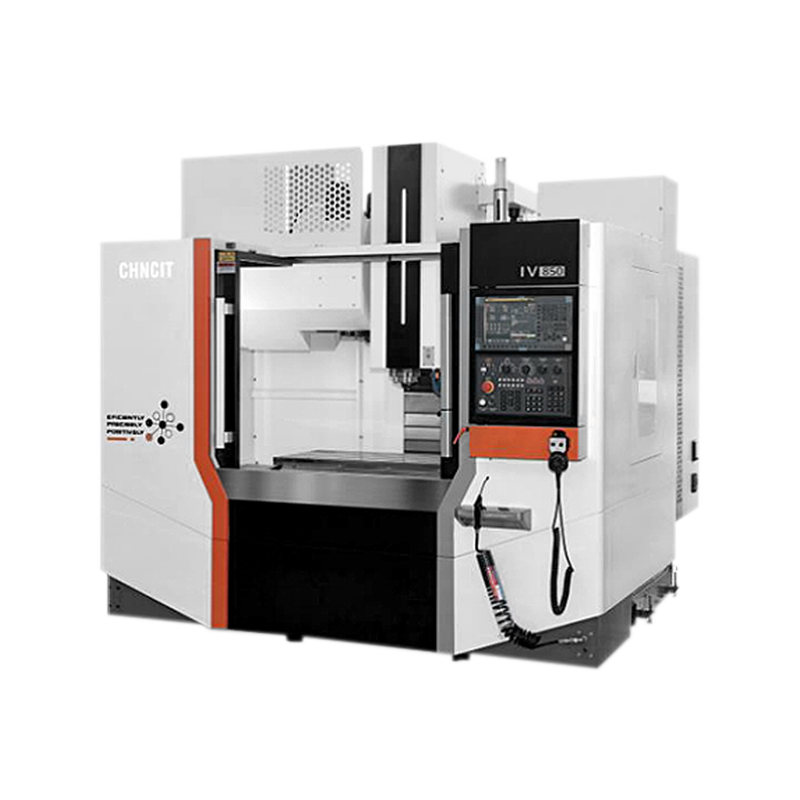
Machining flexibility for various operations like milling, drilling, and tapping;
High precision and efficiency;
Three system choices: Fanuc, mitsubishi, and siemens 828d, with standard original motors;
Belt or Direct type options available for specific product machining requirements.
VIEW MORE 

-
 WHATSAPP
 -
 INS
INS -
 WECHAT
Are Gage Cuts Needed on Horizontal Machining Centers
Author: CHNCIT
Date: Mar 27, 2026
Discussion around whether gage cuts are needed on CNC Horizontal Machining Center comes up regularly among machinists and production engineers, especially when precision finish boring or close-tolerance features are involved. Some operators feel gage cuts help reduce oversized errors and manage chip intrusion, while others argue that careful setup and chip control can eliminate the need for them altogether. Understanding the reasons behind both positions helps manufacturing teams make better decisions for their specific machining situations.
In many shops, Horizontal Machining Centers play a central role in milling and boring large, heavy workpieces that require multiple cutting directions and high throughput. Operators working with precision tolerance ranges — such as ±0.002 inches — ask whether adding explicit gage cuts to finish cycles can help ensure that the final dimension lands within target before tool changes or measurement checks occur. Such gage cuts may add cycle time but can provide additional assurance for critical parts.
What Are Gage Cuts in Machining?
A gage cut, in machining terminology, refers to a small, controlled finishing pass that essentially “checks” the dimension before a tool is withdrawn or replaced. This often includes retracting the tool after a light cut and measuring the bore or surface, sometimes with probing or hard gage tools, to confirm that the desired size has been achieved. On horizontal machines, where chips might collect differently than on vertical machines, operators sometimes use gage cuts to reduce the chance of leaving excess material or recovering from chip packing errors.
Some users in workshops report that their horizontal machining centers occasionally experience chips packing near the spindle or tool pockets during finish operations, which can theoretically contribute to dimensional oversize or surface irregularities if these chips get dragged back into the cut path. This leads some operators to prefer including gage cuts in their programs when boring tight diameters or working with cast materials such as ductile iron.
Arguments for Using Gage Cuts
One common reason machinists cite for using gage cuts on Horizontal Machining Centers is chip management during precise cuts. Because chip evacuation on horizontal setups can be challenging when long stringy chips wrap around tools, a gage cut gives a secondary opportunity to remove leftover material and confirm size before completing the feature.
Another argument is reduction of scrap risk. In cases where an expensive casting or final component must meet close tolerance requirements, performing a gage cut may prevent costly rework or rejection. For high-value parts where even small tolerance deviations are unacceptable, operators sometimes view gage cuts as a practical safety measure to double-check work before advancing.
Arguments Against Needing Gage Cuts
On the other hand, some engineers find that proper setup and chip evacuation strategies can make gage cuts redundant. Improving coolant nozzle placement, optimizing feed and speed to avoid chip entanglement, and enhancing chip conveyor or flushing systems reduces the chances of chips influencing the finish cut. These methods focus on preventing issues rather than compensating for them with additional program steps.
Additionally, one concern from management perspectives is that gage cuts extend cycle time. In high-volume production environments, even a few extra minutes per part can accumulate into significant production delays. Removing unnecessary gage cuts, provided that machines hold stable accuracy and tight tolerances without them, may improve throughput while maintaining acceptable quality.
Balancing Precision and Productivity
In many real-world applications, the decision to include gage cuts on horizontal machines isn’t binary. Operators and engineering teams often evaluate the relative importance of tolerance requirements, material characteristics, expected chip behavior, and inspection strategies. For example, if a part’s design requires exact bore dimensions with minimal tolerance, combining gage cuts with in-machine probing may offer peace of mind. For less critical geometry, optimizing chip flow and machine setup might be sufficient.
Manufacturers like Jiangnan CNC Machine Tool Co., Ltd. support this balanced view by recommending robust program verification practices and effective chip control systems for their customers using Horizontal Machining Centers. Rather than relying solely on gage cuts, they encourage programs that incorporate proper inspection cycles, coolant and chip management, and validated toolpath strategies that reliably produce accurate results while keeping productivity reasonable.
Practical Tips to Consider
Whether you choose to use gage cuts on your horizontal machining center, keep a few practical best practices in mind:
Evaluate finish toolpaths early: Simulate your CNC program to identify possible chip traps or tool collisions that might affect final dimensions.
Improve chip evacuation: Adjust coolant nozzles, use chip conveyors, and clear chips between operations to minimize interference during finish cutting.
Use in-machine probing: Connecting probe checks into the program can help validate dimensions without solely depending on gage cuts.
Analyze tolerance needs: Reserve gage cuts for features requiring extremely tight tolerances or where inspection feedback can alter subsequent cuts.
This problem remains a common discussion topic among manufacturers operating high-precision horizontal milling lines. While gage cuts can be useful in some contexts, thoughtful program design and machine setup frequently prevent the issues that they are meant to address — helping shops keep quality high without unduly slowing production.

Copyright © Jiangnan CNC Machine Tool Co., Ltd.
