


 简体中文
简体中文 English
 русский
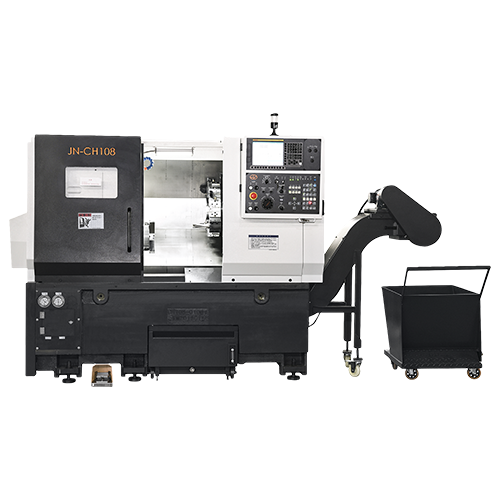
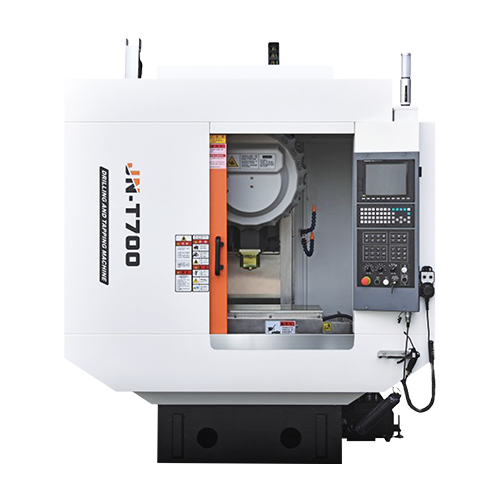
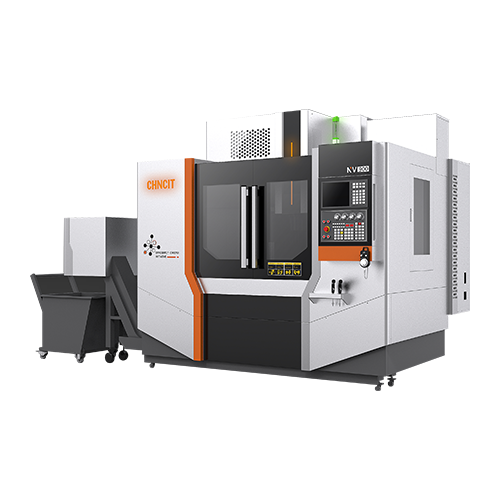
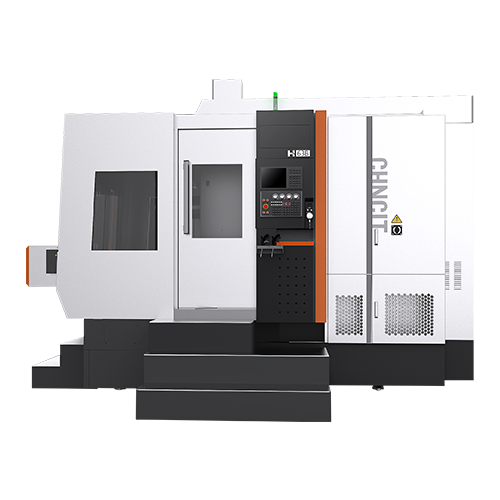
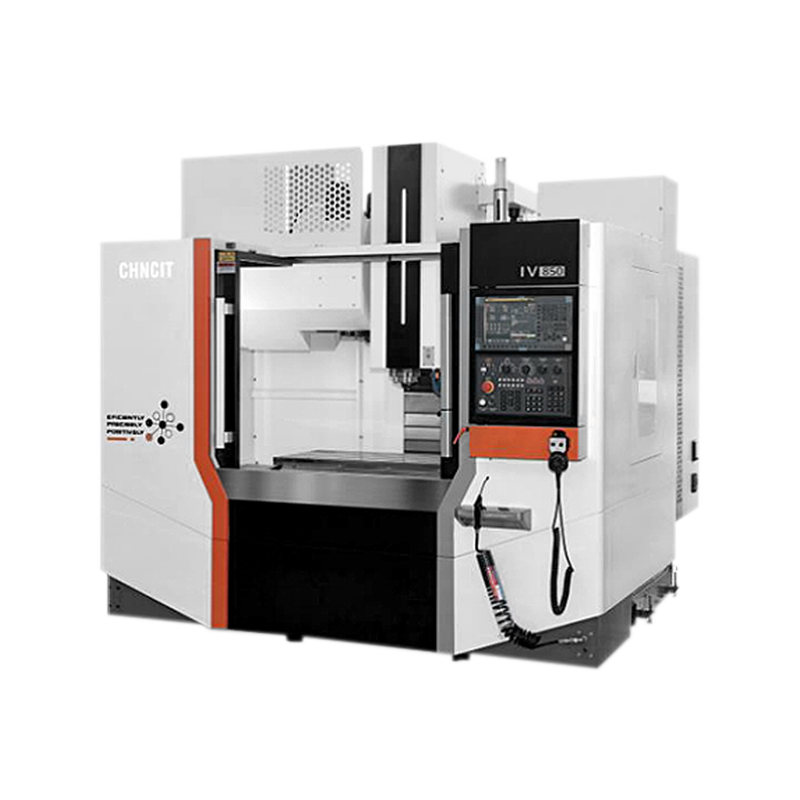
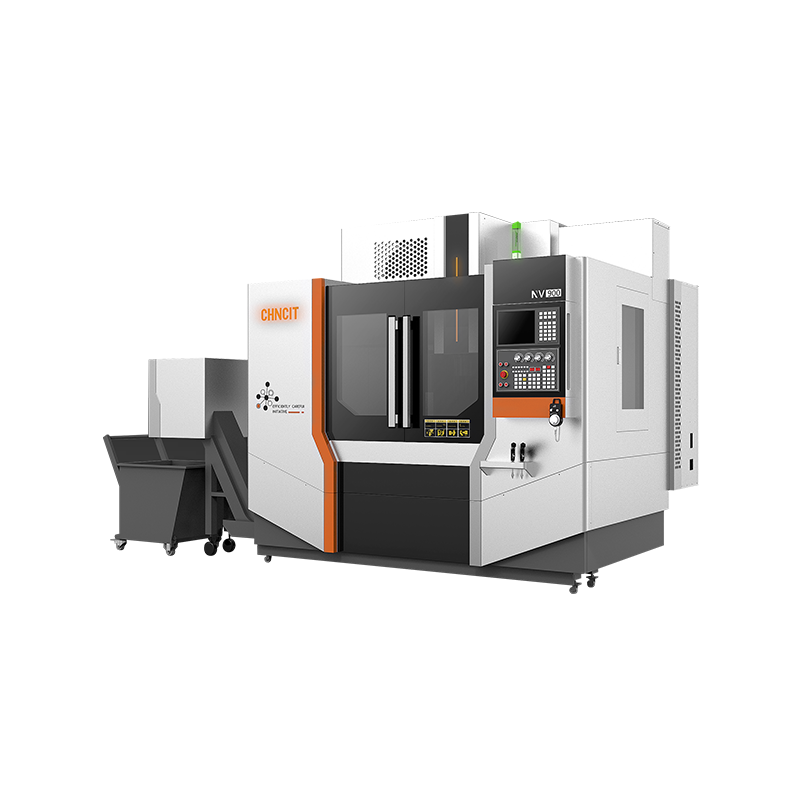
Machining flexibility for various operations like milling, drilling, and tapping;
High precision and efficiency;
Three system choices: Fanuc, mitsubishi, and siemens 828d, with standard original motors;
Belt or Direct type options available for specific product machining requirements.
VIEW MORE 

-
 WHATSAPP
 -
 INS
INS -
 WECHAT
Is Machine Rigidity the Missing Factor in CNC Milling Performance?
Author: CHNCIT
Date: Sep 04, 2026
When purchasing CNC equipment, buyers often compare spindle speed, axis travel, control systems, and other visible specifications. Yet these figures do not always explain how a machine will perform during demanding production. Structural rigidity, thermal behavior, axis movement, and assembly quality can strongly influence machining consistency. For companies evaluating a CNC Milling Machine Factory, understanding these less visible factors can lead to a more practical equipment decision and help avoid performance problems after installation.
Rigidity Sets the Foundation for Machining
During milling, cutting forces act on the spindle, tool, workpiece, table, and machine structure at the same time. If the structure lacks sufficient stability for the intended application, vibration or deflection can affect machining results.
For manufacturers, rigidity begins with the overall machine architecture. The bed, column, table, spindle support, and connection points need to work as a coordinated structure. A properly engineered frame can provide a more stable foundation for both roughing and finishing operations without relying entirely on slower cutting parameters to compensate for mechanical limitations.
Spindle Selection Should Match the Application
A high spindle speed may appear attractive on a specification sheet, but speed alone does not determine machining capability. Different materials and cutting operations place different demands on spindle power, torque, stability, and tooling.
An equipment manufacturer should therefore evaluate the customer's actual machining requirements before finalizing the spindle configuration. Parts made from aluminum, steel, or other engineering materials may require different combinations of speed and cutting capability.
The key questions for buyers include:
- What materials will be machined regularly?
- Are roughing or finishing operations more demanding?
- What tool sizes will be commonly used?
- Does the application require high-speed cutting or stronger cutting torque?
- How long are the typical machining cycles?
This application-based approach helps prevent buyers from paying for specifications that do not contribute meaningful value to their production process.
Thermal Stability Should Not Be Overlooked
Heat develops naturally during spindle operation, cutting, and continuous machine use. Changes in temperature can influence mechanical dimensions and positioning behavior, particularly during longer machining cycles.
Machine manufacturers can address thermal effects through component selection, structural layout, cooling arrangements, and appropriate testing procedures. The objective is not simply to add cooling components, but to design the machine so that heat is managed as part of the complete mechanical system.
For precision-focused buyers, thermal behavior should therefore be considered alongside positioning accuracy and repeatability rather than treated as a separate technical detail.
Axis Movement Depends on More Than the Control System
A CNC controller determines how programmed instructions are processed, but smooth and consistent axis movement also depends on the mechanical system behind it.
Guideways, ball screws, servo components, coupling arrangements, and assembly alignment all contribute to machine movement. If these elements are not properly matched or assembled, the controller cannot compensate for every mechanical limitation.
During manufacturing, careful alignment and inspection help ensure that the motion system performs according to the intended machine design. This is particularly important when the equipment will be used for repeated precision machining.
Assembly Quality Connects Design With Performance
Even a well-designed CNC milling machine can lose performance if assembly is inconsistent. Component positioning, fastening, alignment, wiring, lubrication systems, and mechanical connections all need to be controlled during production.
For an equipment manufacturer, quality management therefore extends beyond incoming component inspection. The assembly process itself becomes part of the machine's performance control.
This is also where production consistency matters for overseas buyers purchasing multiple machines. Repeat orders should follow the approved configuration and manufacturing procedures so that each machine provides a predictable operating foundation.
Testing Should Reflect the Finished Machine
A machine should be evaluated as a complete piece of equipment rather than through individual components alone. Before delivery, manufacturers can inspect and test relevant functions according to the agreed technical requirements.
Depending on the application, buyers may want attention given to:
- Axis movement and positioning behavior
- Spindle operation
- Machine alignment
- Control and electrical functions
- Mechanical stability
- Sample machining performance where applicable
Testing provides an opportunity to identify configuration or assembly issues before the equipment reaches the customer's facility.
Choose the Manufacturer Behind the Machine
A CNC machine is the result of many engineering decisions rather than a collection of isolated specifications. Structural rigidity, spindle selection, thermal management, axis movement, assembly procedures, and final testing all influence how the equipment performs in real production.
As a CNC Milling Machine Factory, we approach machine development from the perspective of complete equipment manufacturing. By combining structural engineering, component matching, controlled assembly, inspection, and testing, we aim to provide CNC milling equipment that gives buyers a stable foundation for consistent machining and long-term production planning.

Copyright © Jiangnan CNC Machine Tool Co., Ltd.
