


 简体中文
简体中文 English
 русский
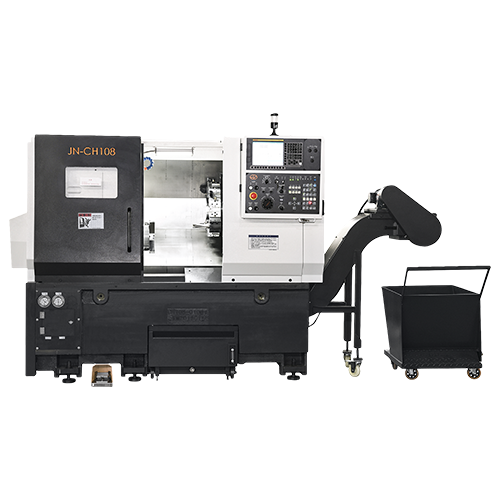
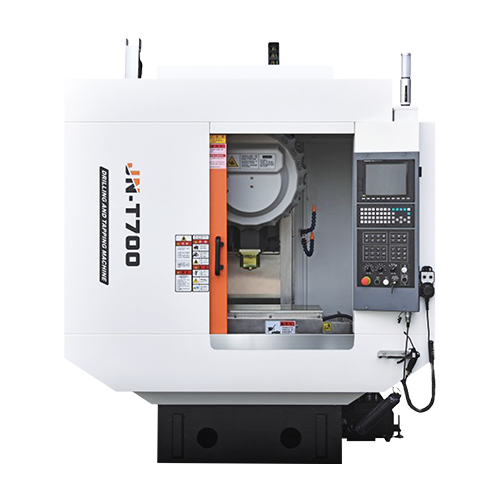
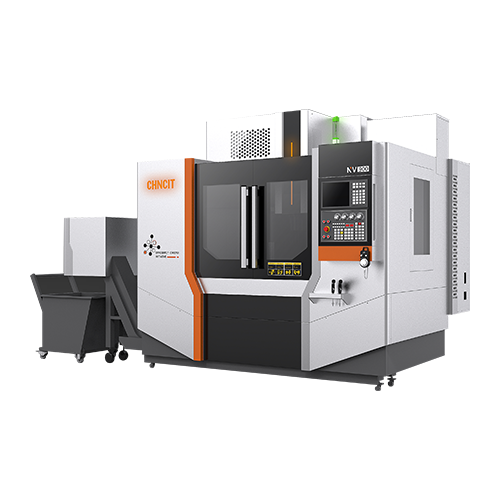
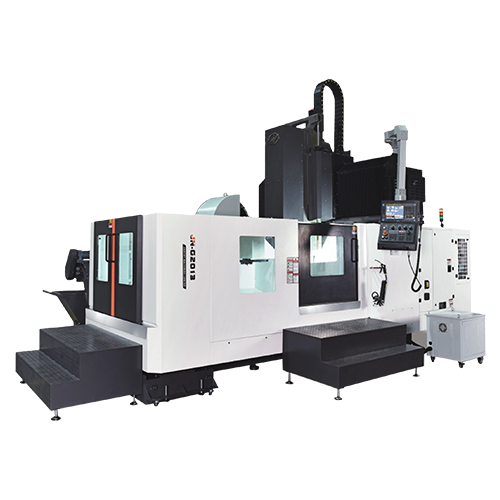
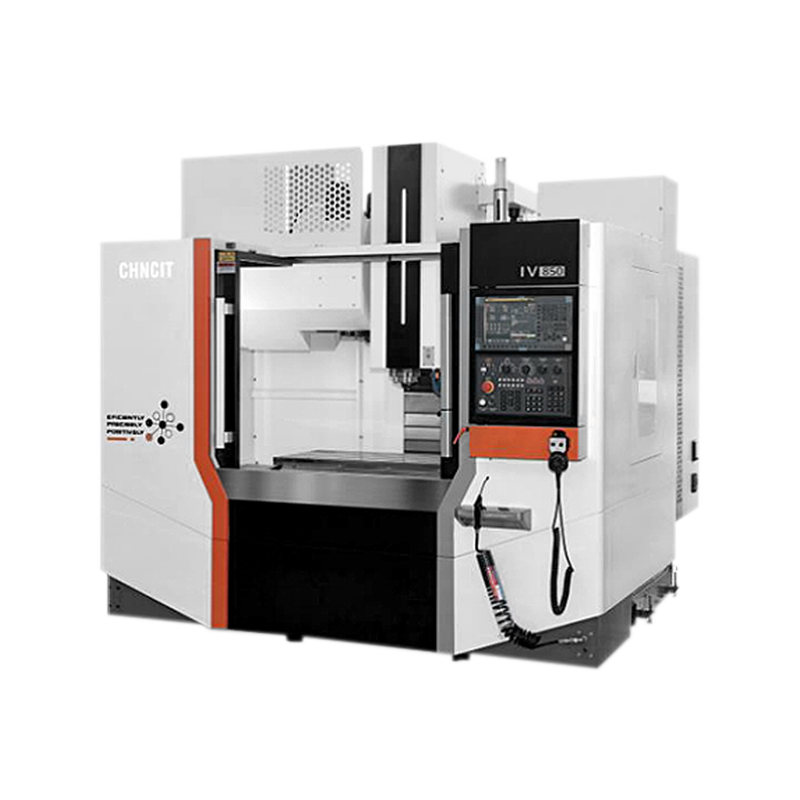
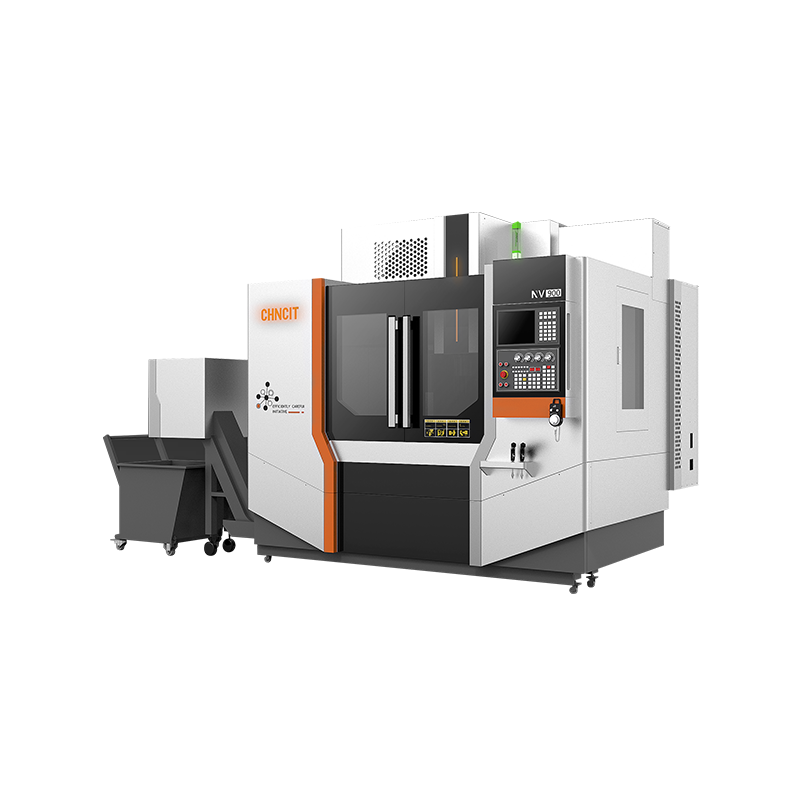
Machining flexibility for various operations like milling, drilling, and tapping;
High precision and efficiency;
Three system choices: Fanuc, mitsubishi, and siemens 828d, with standard original motors;
Belt or Direct type options available for specific product machining requirements.
VIEW MORE 

-
 WHATSAPP
 -
 INS
INS -
 WECHAT
Could a More Efficient CNC Milling Machine Lower Your Production Costs?
Author: CHNCIT
Date: Sep 11, 2026
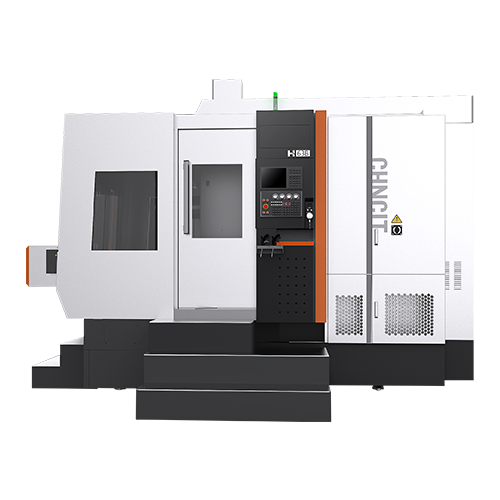
Energy consumption is becoming a more practical consideration when manufacturers evaluate new machining equipment. Buyers are no longer looking only at machining speed or initial purchase price; they also want to understand how a machine fits into long-term production costs. For a CNC Milling Machine Factory, this means energy efficiency needs to be considered as part of equipment engineering rather than treated as an optional feature. A well-designed machine can combine suitable machining performance with a more thoughtful approach to power use, operating conditions, and production efficiency.
Power Consumption Starts With Machine Design
The energy used by a CNC machine is influenced by more than the spindle motor. The control system, axis drives, cooling equipment, lubrication system, auxiliary components, and machining process can all contribute to overall power consumption.
This makes complete machine design important. Manufacturers need to evaluate how these systems work together instead of focusing on the rating of one individual component. A balanced configuration can help avoid unnecessary energy use while maintaining the performance required for the intended application.
Spindle Selection Should Follow the Actual Job
A spindle with a higher specification is not automatically the most suitable choice for every production environment. Different workpieces require different cutting conditions, materials, tooling, and machining strategies.
When selecting an industrial CNC milling machine, buyers should consider the type of work they will actually perform. The manufacturer can then recommend a spindle configuration that corresponds with the required cutting capability rather than simply increasing capacity without a clear production need.
This approach can also help buyers avoid paying for performance that their regular machining tasks rarely use.
Idle Time Deserves More Attention
A CNC machine does not consume energy only while actively removing material. Spindle standby, auxiliary equipment, cooling systems, and other machine functions may continue operating during periods when the machine is not producing parts.
For production managers, reducing unnecessary idle operation can therefore be an important part of improving equipment efficiency. Machine configuration and control functions can be designed to support more practical operating procedures, particularly in production environments where machines experience frequent waiting periods between jobs.
Cutting Strategy Influences Overall Efficiency
Energy efficiency is also connected with the machining process itself. Toolpaths, cutting parameters, material removal requirements, and cycle organization can all influence how long a machine needs to operate for a particular task.
Recent research into CNC energy efficiency has increasingly examined energy monitoring, optimized machining strategies, and toolpath planning as ways to improve the relationship between production output and energy use.
For equipment manufacturers, this reinforces the importance of understanding the intended application before finalizing machine specifications. The machine should provide an appropriate platform for the customer's actual production methods.
Auxiliary Systems Should Be Properly Matched
Cooling, lubrication, chip removal, and other auxiliary functions are necessary for many machining operations, but their configuration should correspond with the machine's intended workload.
A manufacturer can evaluate these systems together with the spindle, control system, and mechanical structure. This avoids treating auxiliary equipment as an afterthought and allows the complete machine to be developed around its expected operating conditions.
For buyers, this also creates a more useful basis for comparing different machines because efficiency is considered across the complete equipment rather than through a single specification.
Better Efficiency Does Not Mean Sacrificing Performance
Some buyers may worry that focusing on energy consumption means accepting slower machining or reduced capability. In practice, the goal should be better matching rather than simply reducing power.
The manufacturer needs to balance several factors:
- Required machining capacity
- Spindle and axis performance
- Expected operating hours
- Material and tooling requirements
- Cooling and auxiliary functions
- Production cycle characteristics
When these factors are considered together, the machine can be configured around actual production needs instead of pursuing efficiency through compromises that do not suit the application.
Manufacturing Quality Supports Long-Term Value
Energy efficiency begins with design, but the final result also depends on manufacturing quality. Accurate assembly, reliable electrical connections, proper component installation, mechanical alignment, and final testing all contribute to the machine's operating condition.
As a CNC Milling Machine Factory, we focus on complete equipment development rather than viewing energy performance as a single component specification. By combining application analysis, machine structure, component selection, manufacturing, assembly, and testing, we aim to provide CNC milling equipment that balances machining capability with practical long-term operating considerations for overseas industrial buyers.

Copyright © Jiangnan CNC Machine Tool Co., Ltd.
