


 简体中文
简体中文 English
 русский
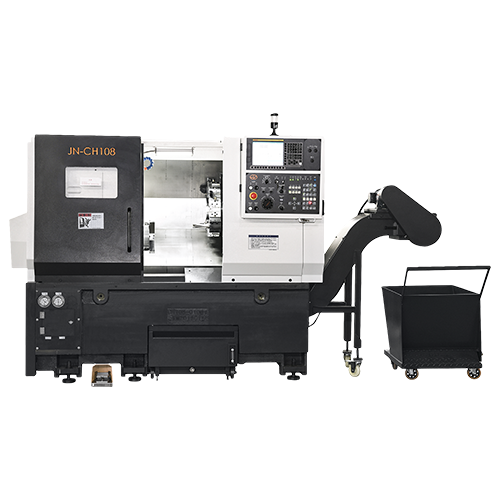
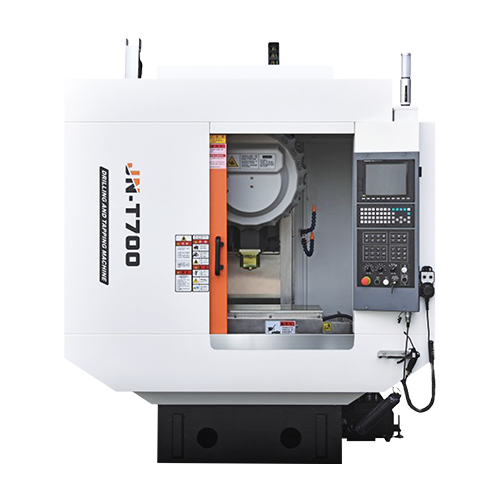
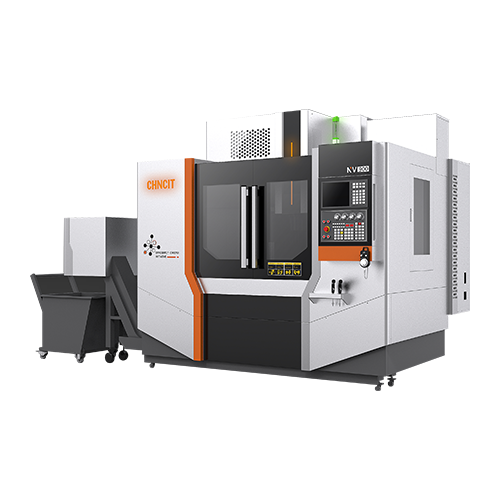
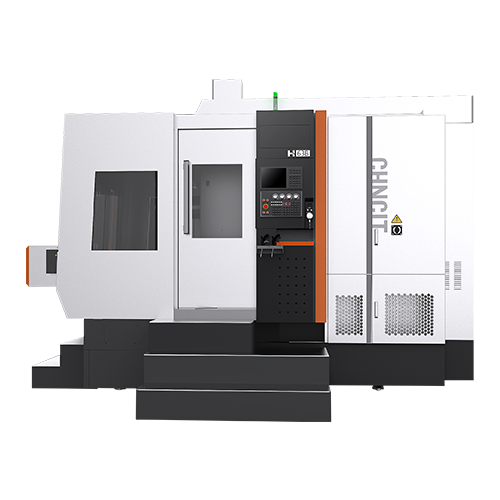
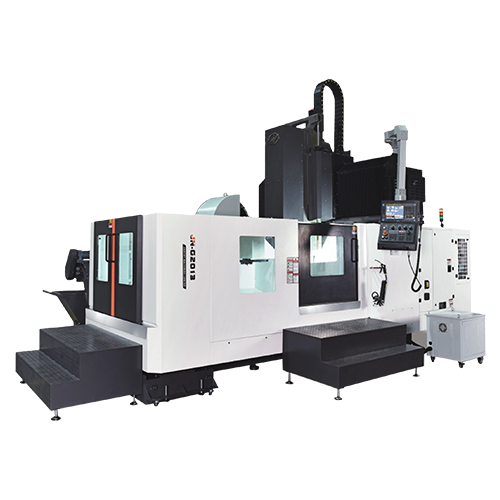
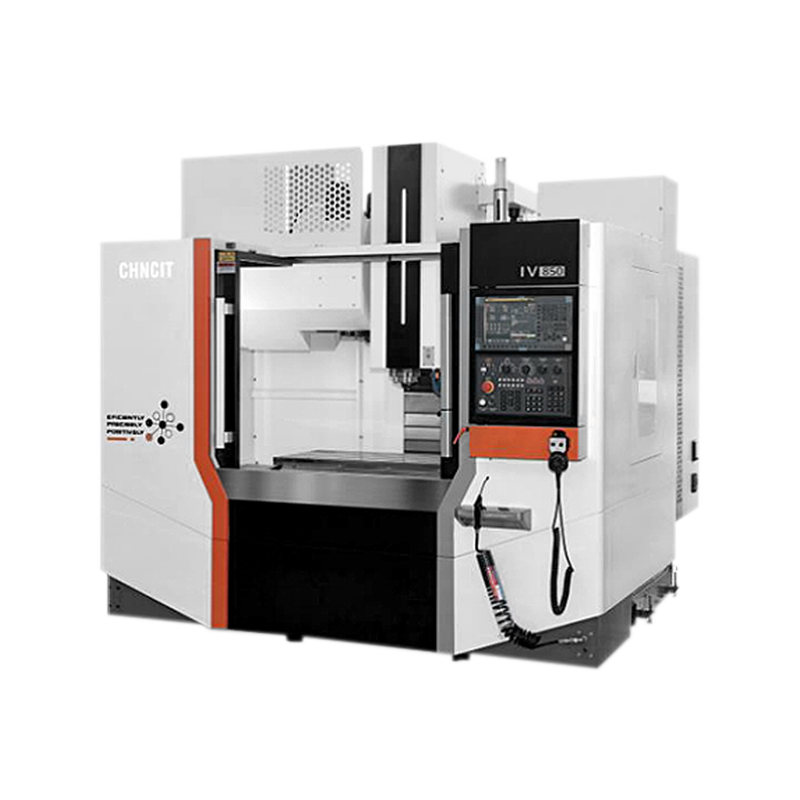
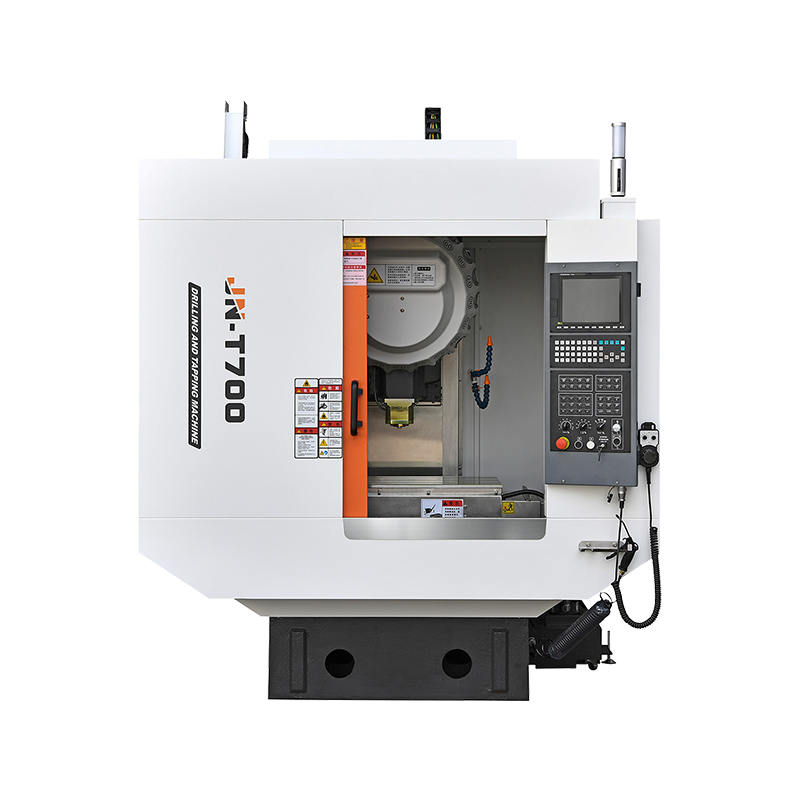
Machining flexibility for various operations like milling, drilling, and tapping;
High precision and efficiency;
Three system choices: Fanuc, mitsubishi, and siemens 828d, with standard original motors;
Belt or Direct type options available for specific product machining requirements.
VIEW MORE 

-
 WHATSAPP
 -
 INS
INS -
 WECHAT
Key Factors When Buying Vertical Milling Centers
Author: CHNCIT
Date: Feb 13, 2026
When companies invest in a new VMC machine Factory setup, one of the frequent challenges they face is choosing the right Vertical Milling Centers for their production needs. This decision impacts not only machining accuracy and efficiency but also long-term operational performance. Understanding what users care about — from precision and maintenance to ease of use — can help decision-makers make informed buying choices that align with their production goals.
In conversations with manufacturing professionals and technical staff, users often raise a range of questions related to performance factors, user training, common machine limitations, and practical considerations that go beyond marketing claims.
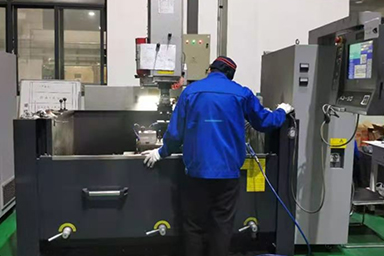
1. Precision and Repeatability: Core Buying Considerations
One of the more quoted criteria from users evaluating Vertical Milling Centers is precision — how consistently the machine can produce parts within tight tolerances. Precision and repeatability are especially important for industries like aerospace, automotive, and precision tooling where tolerances matter. Users frequently ask how environmental factors and machine setup affect this performance.
Common user worry: “Will my Vertical Milling Center maintain tight tolerances over extended production runs?”
User insight: Temperature fluctuations and vibrations from nearby equipment can affect machining accuracy. Installing the machine on a stable foundation and, where possible, controlling workshop temperature helps preserve precision.
A stable machine base and good vibration isolation are often mentioned in discussions as essential practices to protect accuracy on demanding jobs.
2. Operational Challenges and Maintenance Needs
Before committing to a purchase, savvy buyers consider not just the machine’s capabilities but the ongoing maintenance and operational demands. Users often express concerns that a machine with sophisticated features can also mean more complex maintenance.
Real-world question: “What maintenance routines do Vertical Milling Centers require to avoid breakdowns?”
User perspective: Regular cleaning of coolant systems and chip evacuation paths, inspection of lubrication systems, and timely replacement of worn parts are all routine activities that help prevent unexpected machine downtime.
In many workshop threads, seasoned operators emphasize that adopting a proactive maintenance schedule — rather than just reactive fixes — significantly reduces production disruption.
3. Programming and Setup Complexity
Programming is frequently discussed by users preparing for a Vertical Milling Centers purchase because incorrect setup or programming errors can directly cost production time and scrap.
Typical user concern: “How can I avoid programming mistakes that affect part quality?”
Advice: Errors in G-code or incorrect cutting parameters are often contributors to poor results. Reviewing programs, simulating tool paths, and training operators on CAM/CNC basics are practical steps that experienced workshops recommend.
User-generated content on forums often suggests that investing in proper operator training pays off quickly, reducing costly mistakes and improving workflow confidence.
4. Cooling, Chip Control, and Productivity Issues
Chip removal and cooling performance are repeat topics among users comparing machine options and planning layouts. Vertical Milling Centers inherently present challenges with chip flow due to the vertical spindle orientation, and poor management can cause to recutting chips and surface finish issues.
User remark: “Coolant and chip handling seem to be overlooked until they cause problems.”
Insight: Effective coolant flow and regular clearing of chips are essential to maintaining part quality and prolonging tool life. Strategic positioning of nozzles and regular maintenance prevent clogging and overheating.
Before purchase, many workshops evaluate the machine’s coolant system capability and ease of chip evacuation as critical purchasing criteria.
5. Ease of Use and Operator Experience
Another topic that surfaces regularly in machining forums is how easy it is for operators to get up and running on a Vertical Milling Centers machine, especially if they are transitioning from manual or simpler CNC mills.
User scenario: “Our new hires have limited CNC experience — will they struggle with these machines?”
Community insight: Many operators share that reading manuals, watching tutorial videos, and practicing on simulators accelerate learning. Starting with straightforward projects and gradually progressing avoids costly crashes.
Users also emphasize that a supportive onboarding environment where experienced machinists mentor newcomers can dramatically shorten the learning curve.
At Jiangnan CNC Machine Tool Co., Ltd., we aim to provide clear guidance to help manufacturing teams align machine capabilities with their operational goals, whether the focus is on repeatable precision, ease of setup, or sustained production performance.

Copyright © Jiangnan CNC Machine Tool Co., Ltd.
