


 简体中文
简体中文 English
 русский
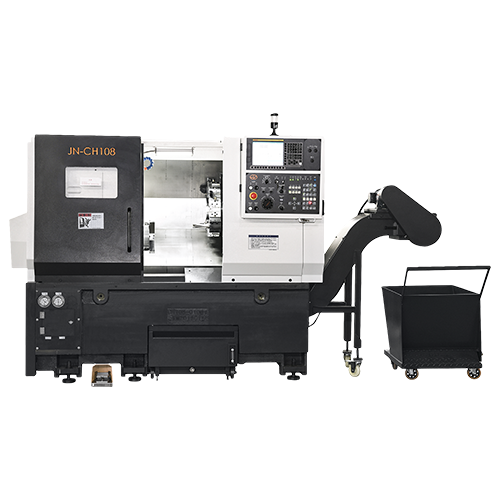
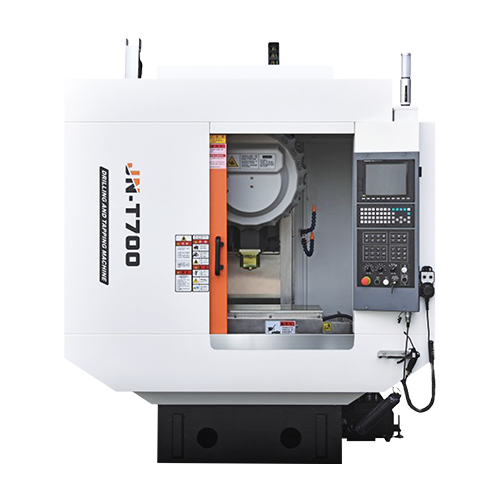
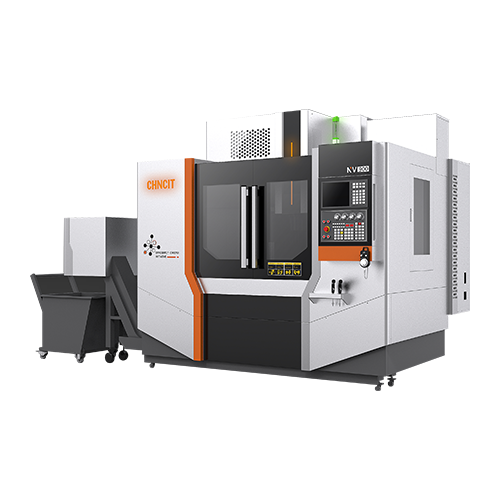
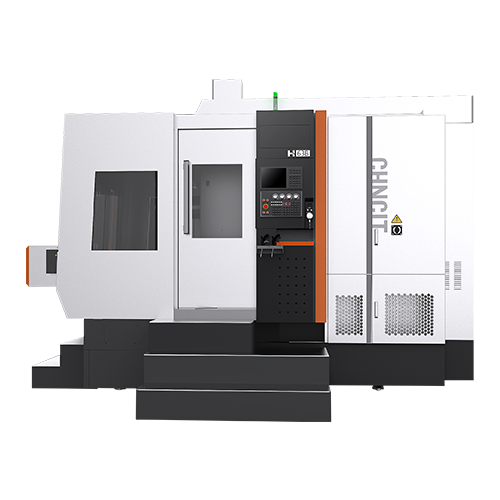
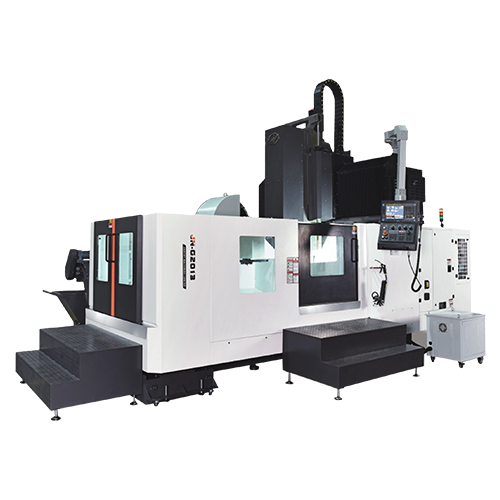
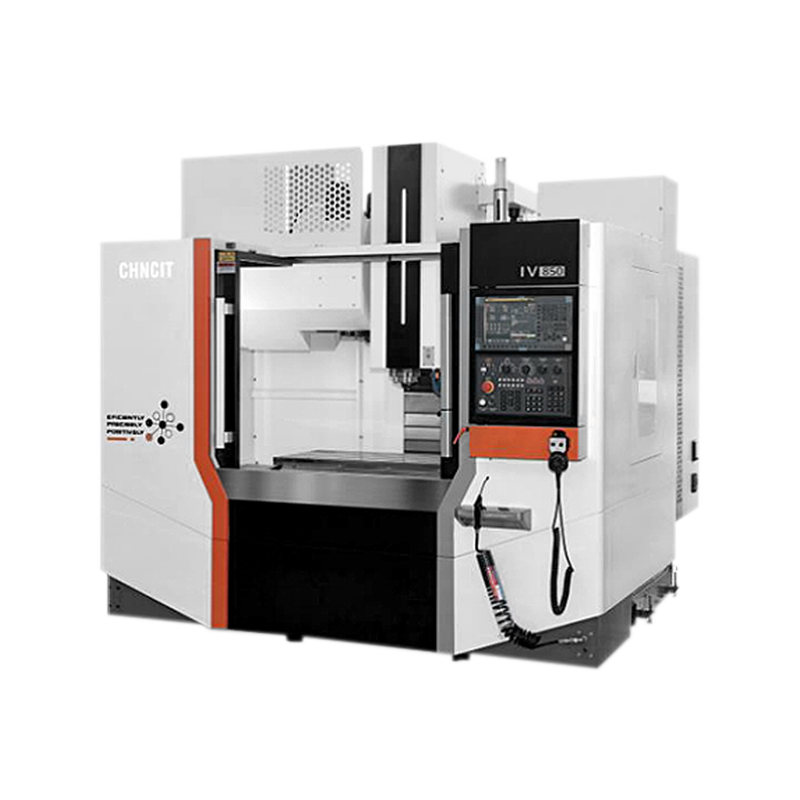
Machining flexibility for various operations like milling, drilling, and tapping;
High precision and efficiency;
Three system choices: Fanuc, mitsubishi, and siemens 828d, with standard original motors;
Belt or Direct type options available for specific product machining requirements.
VIEW MORE 

-
 WHATSAPP
 -
 INS
INS -
 WECHAT
Troubleshooting Common VMC Machine Problems and Solutions
Author: CHNCIT
Date: Feb 06, 2026
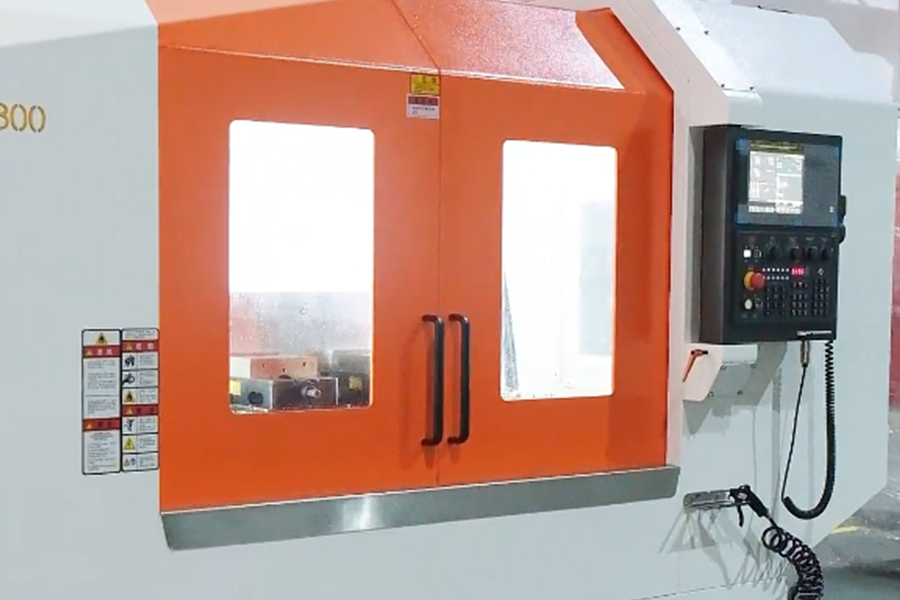
VMC machine Factory equipment, especially Vertical Milling Centers, is widely used in precision manufacturing around the world. Many workshop operators and engineers discuss real-world issues they experience when running these machines. If you are responsible for production quality or uptime, understanding these common challenges and how to address them can make a significant difference to your throughput and machining performance.
1. Machine Setup and Alignment Problems
One of the more frequently reported issues in Vertical Milling Centers is inaccurate machine setup. Many operators have found that improper leveling or alignment leads to dimensional errors in machined parts, poor surface finish, or even tool breakage. For example, failing to verify that the workpiece and fixtures are correctly aligned before cutting can easily cause scrap parts and rework.
What users ask: “Why does my part tolerance keep shifting after each job?”
Answer: Ensure the VMC base is level, double-check the alignment of the workpiece, and confirm that fixtures are clamped securely before executing the program.
Regular calibration and a systematic setup checklist help maintain consistent accuracy across production runs.
2. Programming Errors and Software Glitches
Another common cause of unwanted results in Vertical Milling Centers is programming errors. Users report problems ranging from incorrect G-code inputs to outdated CAM software that doesn’t reflect current machine parameters. These issues often show up as sudden tool stops, unexpected tool paths, or partial cuts that fail to meet specification.
User concern: “What should I do when my VMC program unexpectedly halts mid-operation?”
Solution: Review and simulate your CAM program before running it on the actual machine. Keep your CAD/CAM software up to date and check for syntax errors in your code before execution.
Staff training on proper programming practices is crucial to reduce these types of errors.
3. Tooling and Feed/Speeds Mistakes
Improper tool selection and incorrect cutting parameters are among the more commonly discussed topics in workshops and technical forums. Users frequently share that broken tools, excessive chatter, or poor surface quality are traced back to feeds and speeds that don’t match the material or tooling geometry.
Typical question from operators: “Why do my end mills keep breaking on certain jobs?”
Advice: Match tool geometry to your material’s cutting requirements. Incorrect feeds and speeds can increase tool wear and cause to chatter or part damage.
Testing new tool paths offline, adjusting feed rates incrementally, and choosing tools designed for specific materials can help extend tool life and improve results.
4. Cooling, Lubrication, and Thermal Issues
Cooling and lubrication are significant factors in the performance of Vertical Milling Centers. Inadequate coolant flow or poor lubrication of moving parts can cause overheating, reduced tool life, and dimensional inaccuracies.
User observation: “Why does my VMC spindle overheat during long cycles?”
Explanation: Poor cooling and lubrication can cause to excessive heat buildup, which affects spindle bearings and can expand machine components. Regularly check coolant nozzles, maintain proper fluid levels, and ensure the machine’s internal lubrication system is functioning correctly.
A consistent maintenance schedule for fluid systems helps maintain stable thermal conditions and prolongs machine lifespan.
5. Maintenance and Operator Training Importance
Finally, one of the more discussed themes among users is the importance of preventive maintenance and proper training. Many problems — from vibration and chatter to tool-changer issues — can stem from neglect of routine maintenance or lack of operator experience with complex machine controls.
Common shared insight: “We had a tool changer fault because accumulated chips blocked the mechanism.”
Response: Establish routine cleaning and maintenance checks. Operators should be trained to clear chip accumulation, confirm proper lubrication, and inspect critical components regularly.
Understanding and addressing the common concerns that users have about VMC machine Factory equipment and Vertical Milling Centers can significantly improve workshop productivity and part quality. Whether you are running daily production or optimizing a new installation, addressing setup, programming, tooling, cooling, and maintenance systematically will reduce headaches and unexpected stops.
If you want tailored advice or support for your Vertical Milling Centers, Jiangnan CNC Machine Tool Co., Ltd. offers consultation to help with configuration, maintenance planning, and operator training.

Copyright © Jiangnan CNC Machine Tool Co., Ltd.
