


 简体中文
简体中文 English
 русский
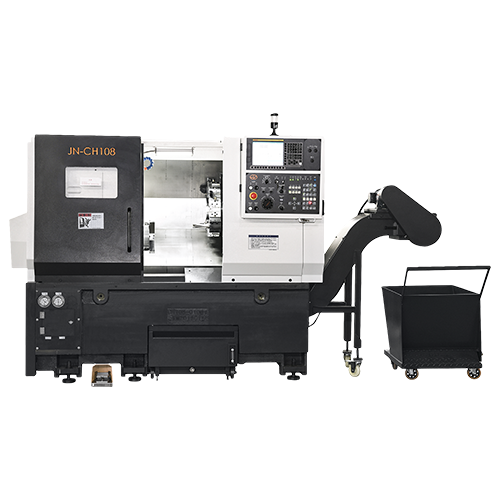
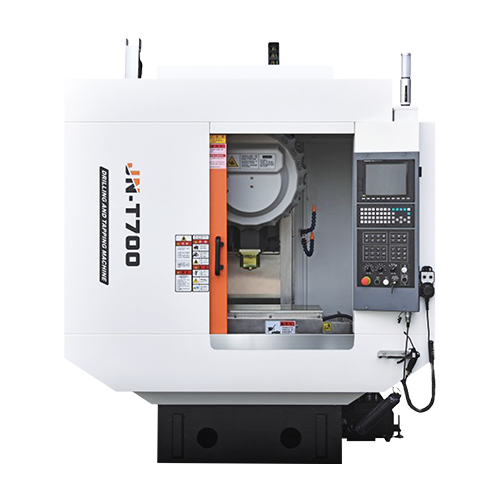
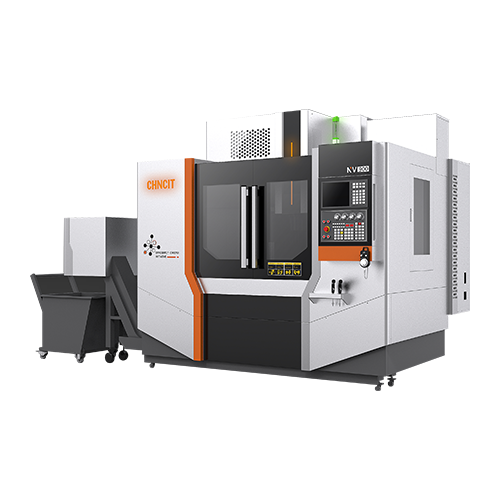
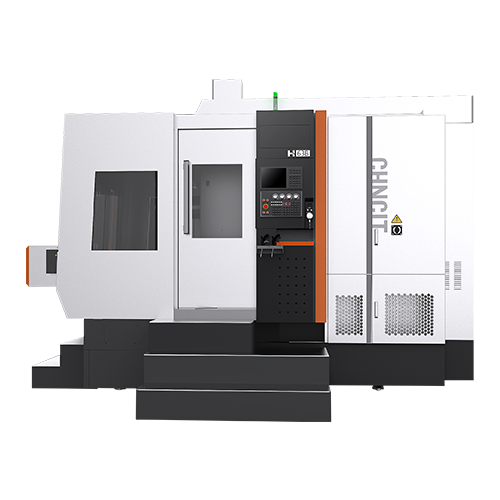
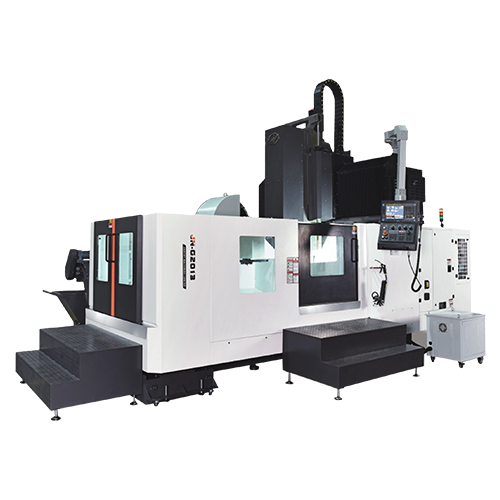
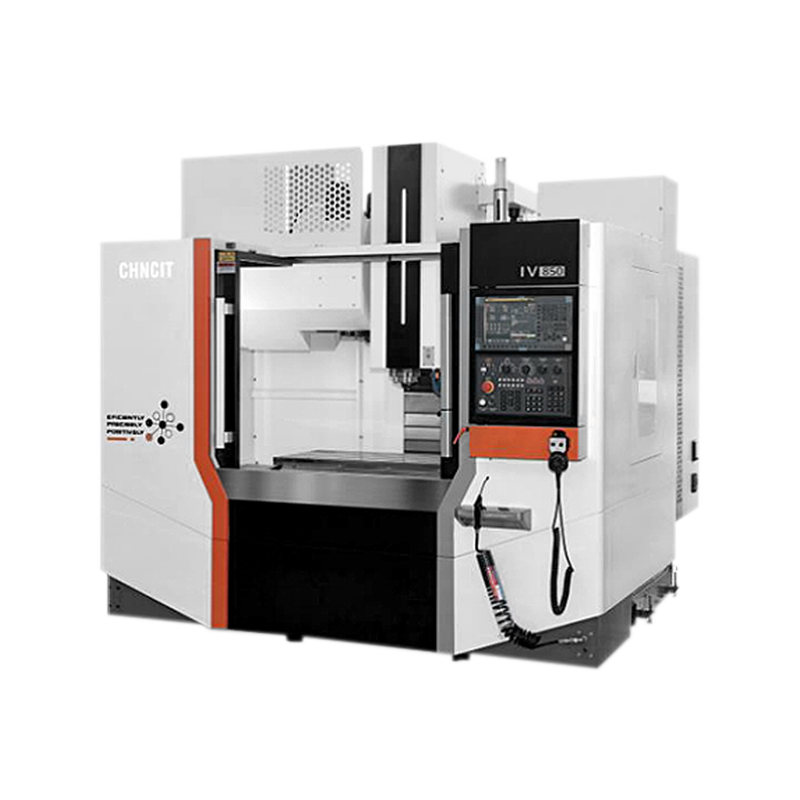
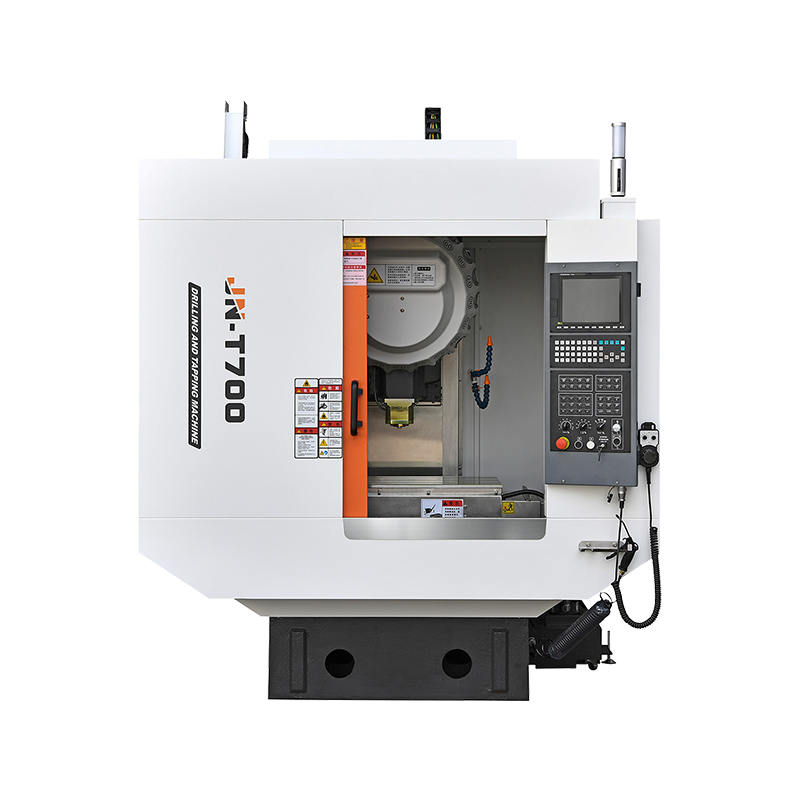
Machining flexibility for various operations like milling, drilling, and tapping;
High precision and efficiency;
Three system choices: Fanuc, mitsubishi, and siemens 828d, with standard original motors;
Belt or Direct type options available for specific product machining requirements.
VIEW MORE 

-
 WHATSAPP
 -
 INS
INS -
 WECHAT
Metal Lathe Machine Common Setup Questions
Author: CHNCIT
Date: Jan 09, 2026
Setting up a Metal Lathe Machine properly is foundational to successful machining, whether in a high-volume CNC Lathe Factory or a small job shop. By focusing on correct leveling, secure workholding, accurate tool offsets, proper feeds and speeds, and avoiding common setup errors, machinists can reduce setup time and improve finished results.
1. How Should I Position and Level the Lathe?
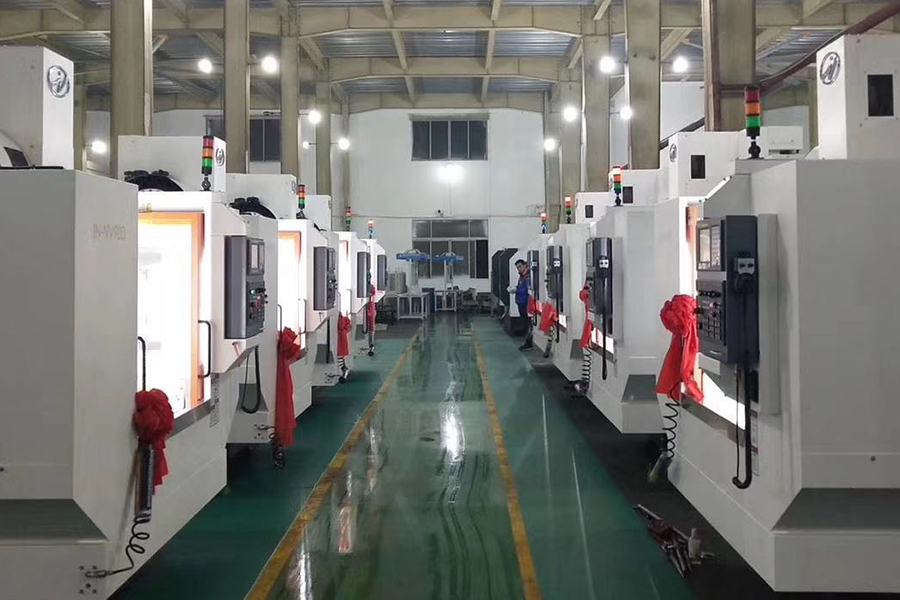
Setting up a metal lathe begins with physically positioning and leveling the machine correctly. An incorrectly leveled machine can introduce run-out and affect surface finish, dimensional control, and tool life.
Leveling: Use a precision machinist’s level to ensure the lathe bed is horizontal front-to-back and side-to-side. Uneven foundation contact can cause deflection during turning operations.
Base Fixation: The lathe should be anchored to a stable foundation to damp vibration and prevent movement under cutting loads.
Clearances: Leave enough space around the lathe for operator access, chip removal, and maintenance tasks.
Proper installation and leveling lay the groundwork for accurate machining and help reduce common setup concerns in shop environments such as those served by companies like Jiangnan CNC Machine Tool Co., Ltd.
2. What Are Key Workpiece Clamping Concerns?
A frequent question when setting up a metal lathe machine is how to clamp and secure the workpiece reliably.
Chuck or Collet Choice: Select the correct size and type of chuck or collet based on the workpiece diameter and material.
Jaw and Fixture Setup: Ensure jaws are clean, square, and gripping evenly. Improper clamping can cause vibration, inconsistent cuts, or unsafe conditions.
Tailstock Support: For long or thin workpieces, use tailstock support to prevent deflection and chatter.
Correct clamping not only improves surface finish and accuracy but also enhances safety, which is essential when operating heavy metal lathe machines.
3. How Do I Set Tool Offsets and Zeros?
Setting tool offsets and reference points is one of the most frequently discussed setup issues among lathe operators. Accurate offsets ensure the machine interprets where the tool and workpiece are in space.
Tool Offset: Measure tool length and diameter offsets accurately. Double-check that tool length and radius values are entered into the CNC controller to avoid unexpected cuts or collisions.
Zero Points: Establish clear work coordinate zero (often G54 on CNC controls). Some setups use the face of the workpiece as Z0 reference, while others use the chuck face depending on design intent. Checking work coordinate definitions before running a program prevents crashes or scrap parts.
4. What Are Typical Feed and Speed Considerations?
Many setup questions revolve around choosing appropriate feeds and speeds. Feed rate and spindle speed directly affect cutting quality, tool life, and cycle time.
Material-Specific Parameters: Different materials require varying spindle speeds and feed rates. Softer metals like aluminum may allow higher speeds, while harder steels demand slower feeds.
Surface Finish Targets: Adjust feed rate based on desired surface finish. Faster feeds can reduce production time but may worsen finish if too aggressive.
Tool Wear and Condition: Watch cutter wear closely. Dull tools or incorrect settings reduce surface quality and increase cutting forces.
Balancing feeds and speeds is a core part of setup planning that can drastically influence output repeatability.
5. How Can I Avoid Common Setup Mistakes?
There are several well-documented mistakes operators make during setup that lead to unnecessary errors or downtime.
Incorrect Cutting Tool Height: If the tool is set too high or too low relative to the spindle centerline, the lathe cannot cut accurately, leading to chatter or surface flaws.
Lack of Familiarity with Carriage Movement: Spend time understanding how cross slides and carriage travel to avoid programming mistakes.
Insufficient Machine Maintenance: Before final setup, ensure the lathe’s bed, lead screws, and slideways are clean and lubricated to minimize stick-slip effects or backlash.
If you want more detailed setup guides or specific parameter recommendations for your lathe model, feel free to reach out or consult your machine tool supplier’s technical documentation.

Copyright © Jiangnan CNC Machine Tool Co., Ltd.
