


 简体中文
简体中文 English
 русский
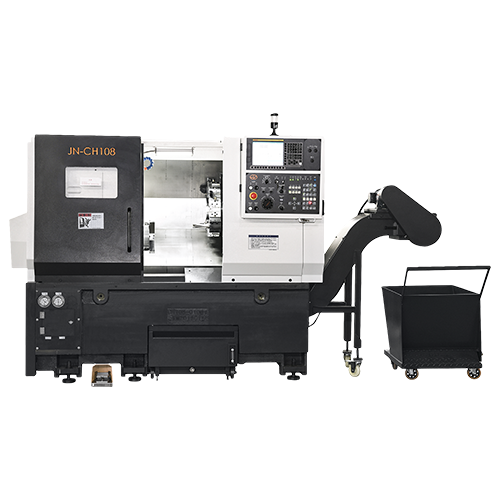
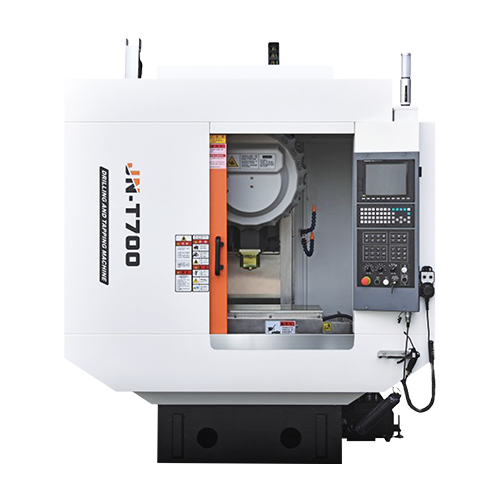
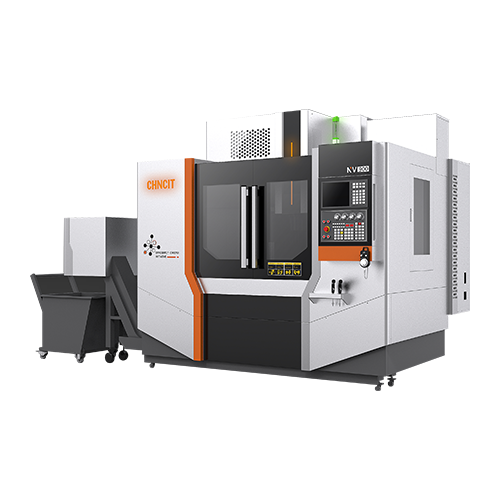
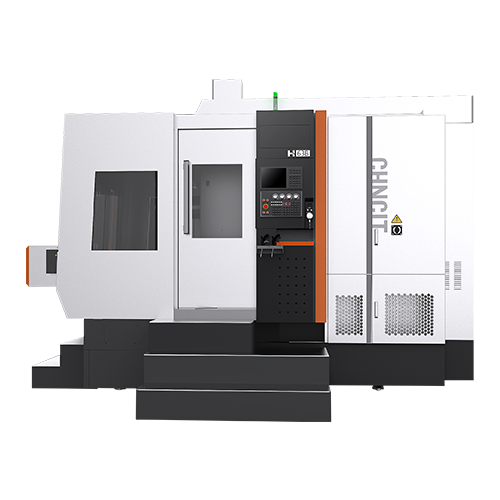
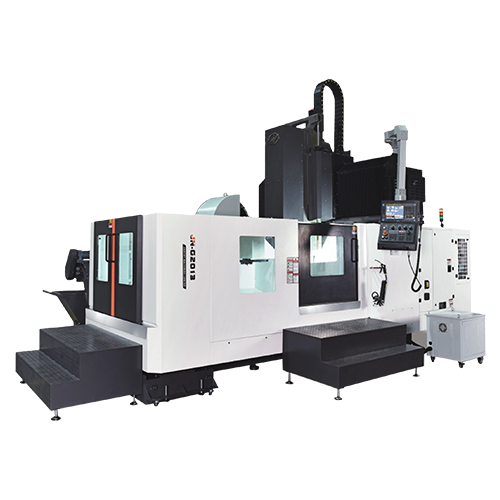
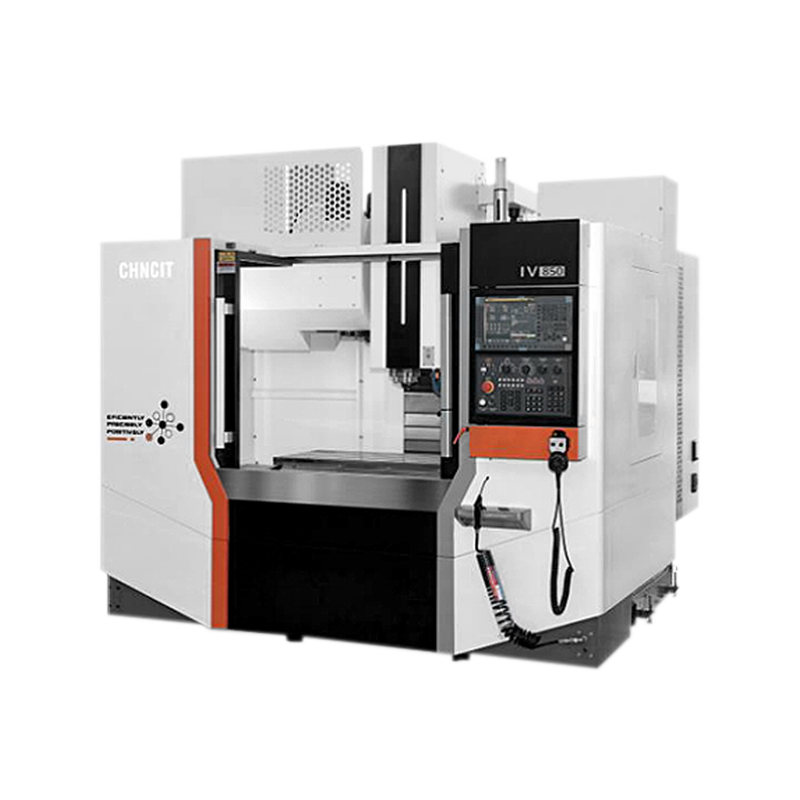
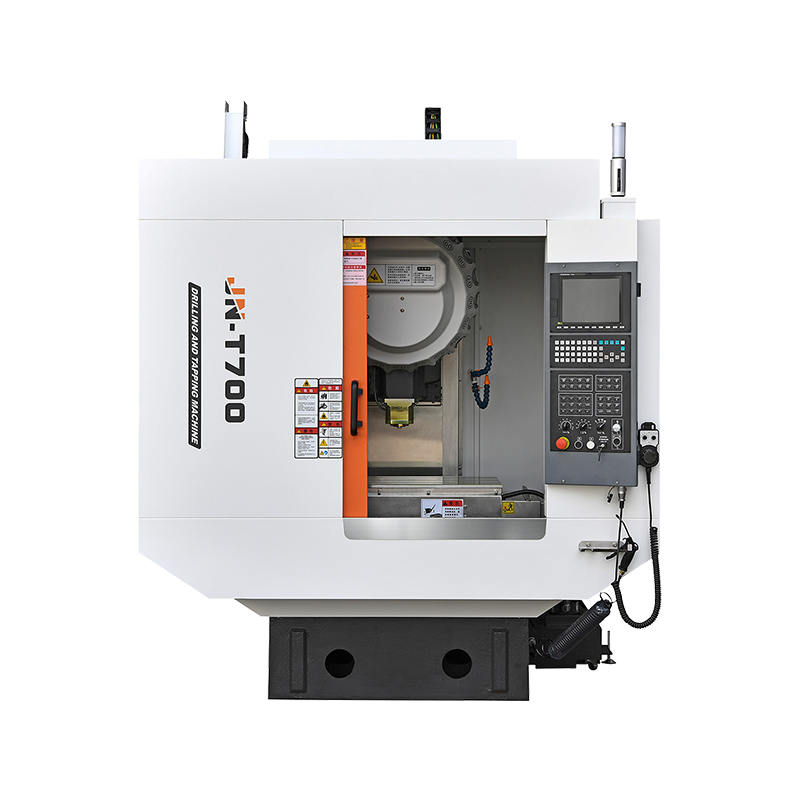
Machining flexibility for various operations like milling, drilling, and tapping;
High precision and efficiency;
Three system choices: Fanuc, mitsubishi, and siemens 828d, with standard original motors;
Belt or Direct type options available for specific product machining requirements.
VIEW MORE 

-
 WHATSAPP
 -
 INS
INS -
 WECHAT
Operator Challenges With Vertical Milling Center Setup
Author: CHNCIT
Date: Feb 20, 2026
When users deploy VMC machine Factory solutions in their workshops, one recurring topic that surfaces across conversations and technical discussions is the operator challenges associated with Vertical Milling Centers setup and troubleshooting. Unlike theoretical performance figures, real-world feedback often focuses on daily operation issues — what trips up operators, how common problems manifest, and what practical steps help fix them. These insights are crucial for manufacturers and shop leaders seeking to reduce downtime and improve machining quality.
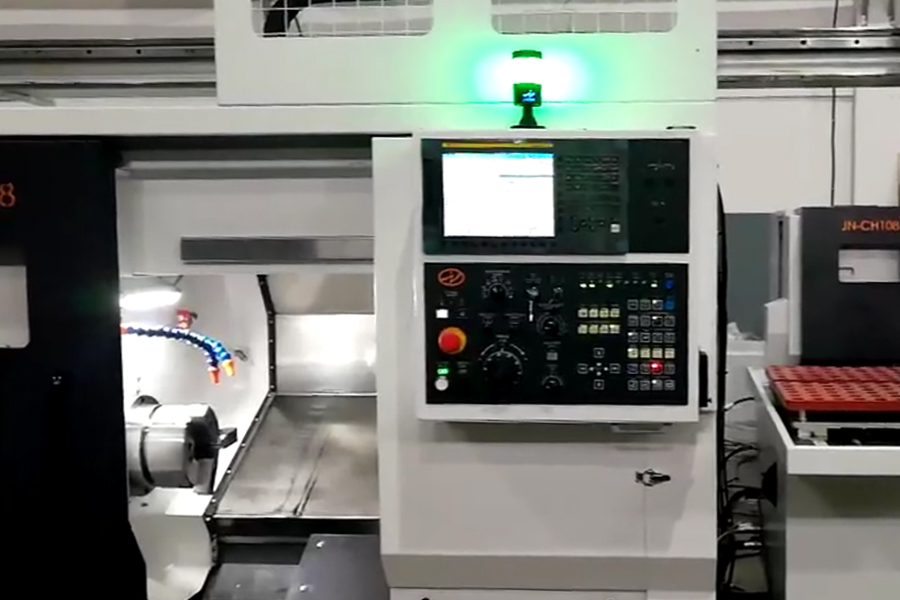
1. Setup Errors cause Poor Results
One widespread issue operators face with Vertical Milling Centers is incorrect setup. Even small mistakes in machine alignment, fixturing, or program offsets can cause dimensional inaccuracies, excessive scrap, or unexpected machining results. These setup errors are often mentioned as a root cause of machining issues in several industry discussions.
Common user situation: Operators sometimes discover after a long cycle that the machined parts are out of tolerance or the setup offsets were incorrect.
Why it happens: In many cases, insufficient attention to alignment, fixturing height, or failure to verify coordinates causes the machine to operate on incorrect datum points.
What operators can do: Double-check all fixturing and machine offsets before running the program. Using probing routines when available and verifying tool heights systematically helps reduce these errors significantly.
A systematic setup checklist, often mentioned in shop floor tips can prevent these issues before they occur.
2. Tool Breakage and Wear Disrupt Operations
Many operators report that tool breakage or excessive wear is a common challenge on Vertical Milling Centers. This problem not only affects part quality but often leads to machine downtime, rework, and increased costs. Tool selection and cutting parameters play a major role in this issue.
User-raised concern: “Our tools break mid-cycle on hard or high feed operations.”
Underlying causes: Aggressive feed rates, improper cutting speeds, or older tools nearing the end of their life are all common contributors. Incorrect tool installation and poor coolant flow can magnify these effects.
Suggested actions: Operators should match cutting parameters to material and tool capabilities, monitor tool wear closely, and replace tools before they fail. Also ensuring adequate cooling reduces overheating and premature wear.
Workshops that implement tool life tracking systems often see fewer emergency stops and broken tools.
3. Poor Surface Finish and Vibration Issues
Another topic often discussed is poor surface finish on machined parts, frequently linked with chatter or vibration. Vibration can come from multiple sources, including machine instability, loose components, or improper cutting setups.
Operator observation: “My machined parts show chatter marks or inconsistent finishes.”
Why it occurs: Chatter can result when cutting forces exceed what the current setup can handle, or when tools and holders aren’t rigid enough for the operation. Irregular cutting speeds and feeds or loose machine components can also cause vibration.
Practical response: Reducing tool stick-out, adjusting feed/speed settings, and tightening fixtures can help mitigate chatter. Improving machine leveling and structural stability also supports better surface finish.
Operators who adjust these parameters proactively often notice improvements in both surface quality and tool life.
4. Chip Management Challenges Affect Productivity
Chip removal and management are commonly cited issues with Vertical Milling Centers due to the vertical orientation of the spindle. Chips tend to accumulate in pockets or around features rather than falling clear of the cutting zone, which can interfere with machining quality and chip evacuation systems.
What users report: Chips building up around deep holes or pockets, causing to recutting of chips and heat buildup.
Why it matters: Recutting chips can cause poor surface finishes, increased tool wear, and even part defects. Operators often find themselves stopping the machine to clear chips manually.
Fixes suggested: Effective chip conveyors, high-pressure coolant nozzles, and regular clearing of chip trays help reduce this issue. In addition, adjusting tool paths or adding air blasts can help keep chips out of the cutting area.
Understanding these chip flow limitations helps operators plan machining strategies that account for chip behavior.
5. Software and Programming Errors Remain Frequent
Programming mistakes continue to surface as a common concern among operators working with Vertical Milling Centers. Incorrect G-code, outdated CAM files, or overlooked program offsets can cause faulty cuts or unexpected machine movements.
Operator challenge: “My program runs but the part isn’t what I expected.”
Typical causes: Human errors in writing or importing programs, missing updates in CAM software, or incorrect post-processor setup can all contribute.
Operator response: Verifying programs in simulation tools before running them on the machine and keeping software updated helps catch errors before they impact production.
Training operators on proper programming practices and simulation review is often discussed as a way to minimize these issues.
If you need further guidance on how to optimize your workshop’s use of Vertical Milling Centers, including troubleshooting checklists and setup better practices, Jiangnan CNC Machine Tool Co., Ltd. can assist with tailored support and recommendations.

Copyright © Jiangnan CNC Machine Tool Co., Ltd.
