


 简体中文
简体中文 English
 русский
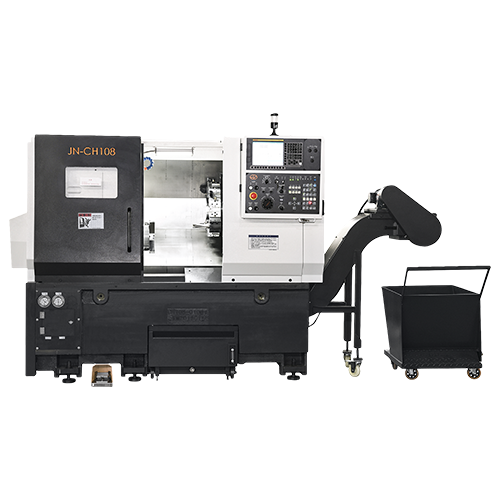
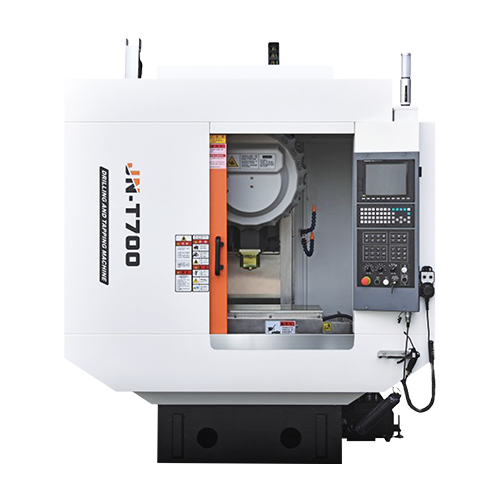
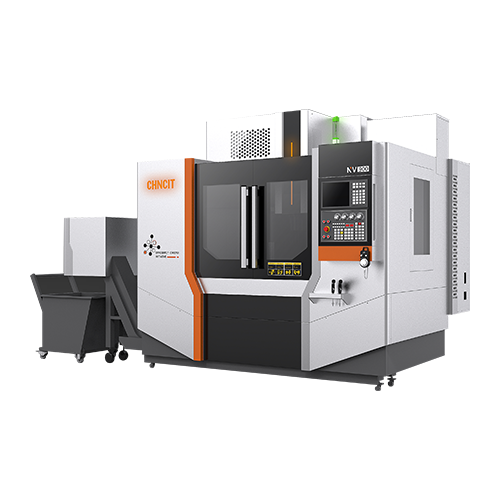
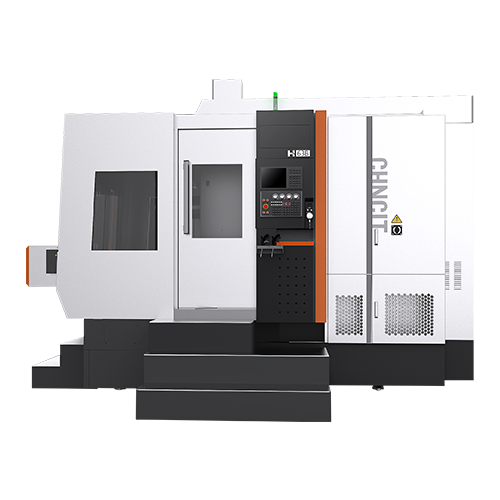
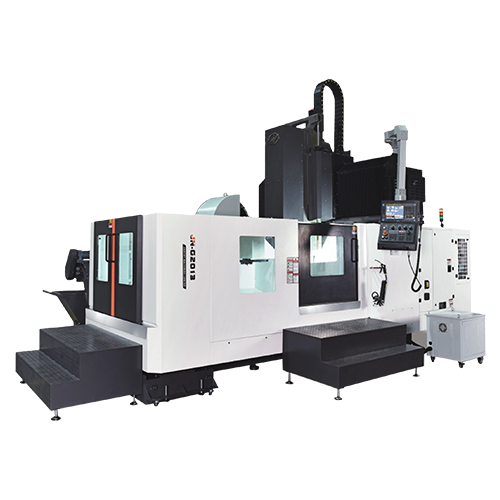
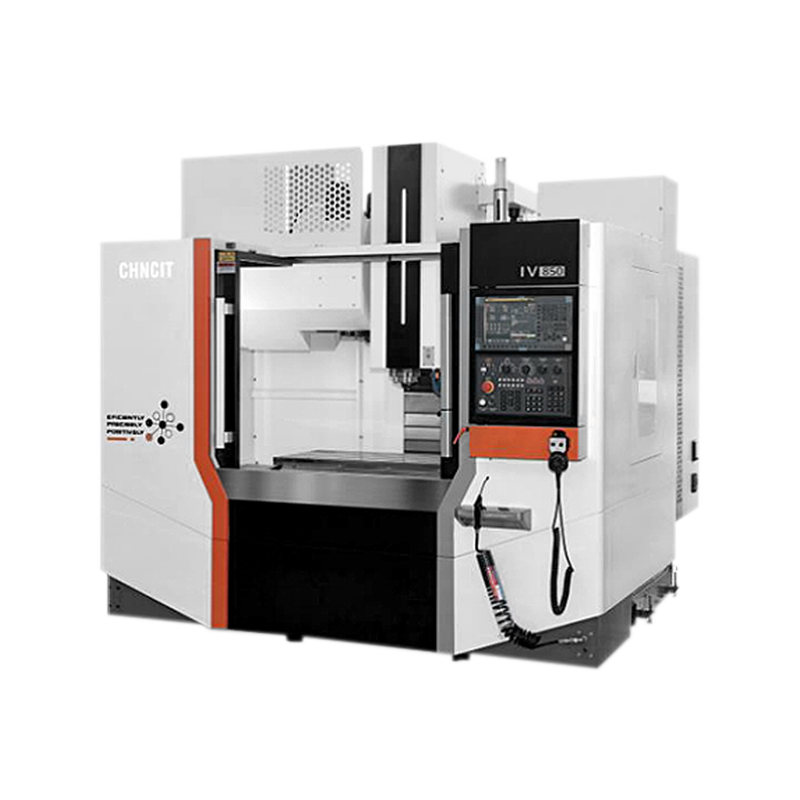
Machining flexibility for various operations like milling, drilling, and tapping;
High precision and efficiency;
Three system choices: Fanuc, mitsubishi, and siemens 828d, with standard original motors;
Belt or Direct type options available for specific product machining requirements.
VIEW MORE 

-
 WHATSAPP
 -
 INS
INS -
 WECHAT
DIY CNC Lathe Machine Conversion Questions
Author: CHNCIT
Date: Jan 29, 2026
For many machinists and hobbyists, the idea of transforming a traditional Metal Lathe Machine into a CNC-controlled system sparks curiosity—and a lot of questions. Whether you’re tinkering in a garage workshop or dreaming of expanding into a small CNC Lathe Factory setup, DIY lathe conversion projects raise common technical and practical concerns.
1. What Does It Mean to Convert a Lathe to CNC?
Converting a manual lathe to a CNC machine means adding computerized control to the existing mechanical system so that the machine can move along its axes automatically using software and motors. Rather than turning hand wheels for feed and spindle functions, you install motors, drivers, and a controller that interprets programmed instructions. This retrofit can significantly expand the capabilities of a traditional lathe.
A typical CNC conversion project involves:
Installing stepper or servo motors on the X and Z axes
Mounting ball screws or lead screws compatible with CNC motion
Integrating a CNC control system such as LinuxCNC or other open-source/paid options
Adding limit switches, encoders, and motor drivers
DIY conversion guides and tutorials highlight that this transformation involves both mechanical modifications and software setup work.
2. What Are the Key Components Required for a Conversion?
One of the most asked questions among DIY builders is “What parts do I need to make my lathe CNC capable?” In practice, several key components are essential:
Motors and Drives: Stepper motors or servos to move the lathe’s axes.
Ball Screws: To replace worn lead screws with precise motion elements.
CNC Controller: Software and hardware that translate G-code into motion.
Limit Switches and Encoders: For homing and position feedback.
As retrofit guides explain, components like lead screws or ballscrews, bearings, and motor mounts need to be carefully chosen to fit your lathe. Proper parts selection improves precision and reliability once the conversion is complete.
3. What Software Should I Use for CNC Conversion?
Choosing the right control software is another frequent DIY question. Users often ask whether free or paid options are better suited for hobby builds.
LinuxCNC is a popular free choice that supports a wide range of motion systems and is favored by many hobbyists and small shops for its flexibility.
Other paid software options are available that offer user-friendly interfaces and enhanced features.
Some DIY builders even adapt controllers from other CNC systems to suit their lathes.
Each software platform has its own setup procedures, and the choice depends on your experience level and project goals.
4. What Challenges Should I Expect During Conversion?
DIY CNC lathe conversion comes with challenges that many builders discuss in forums and tutorials. A few common issues include:
Alignment and backlash: Ensuring smooth motion and minimizing mechanical play are crucial for precision.
Software and hardware integration: Properly configuring controller settings and interfacing electronics can be tricky for first-timers.
Rigidity and vibration: A stable mechanical base is essential to achieving good surface finishes and repeatable results.
Forums and community posts underscore that planning and patience are key; mistakes in mounting, wiring, or software setup can lead to lost time and frustrated builders.
5. How Long and Expensive is a DIY CNC Conversion?
A practical question often asked by hobbyists revolves around time and cost. Converting a lathe to a CNC setup is not just a weekend project. Community discussions suggest that:
Projects can take many hours over weeks or months of planning, building, and testing, especially when precision machining and custom parts are involved.
Costs vary widely depending on parts quality, choice of motors and controllers, and whether you reuse any existing equipment or buy everything new.
DIY converters often report investing significant time into trial-and-error, design iterations, and software configuration before achieving satisfactory results.
6. Can a Converted Lathe Still be Used Manually?
Another common user question is whether a DIY CNC-capable Metal Lathe Machine can still be used as a manual lathe. The answer is yes—but it depends on how the conversion is done. Some builders design their CNC add-ons so they can be removed or disengaged, allowing the machine to return to manual control when needed. This flexibility allows hobbyists to enjoy both CNC and traditional operations without sacrificing versatility.

Copyright © Jiangnan CNC Machine Tool Co., Ltd.
