


 简体中文
简体中文 English
 русский
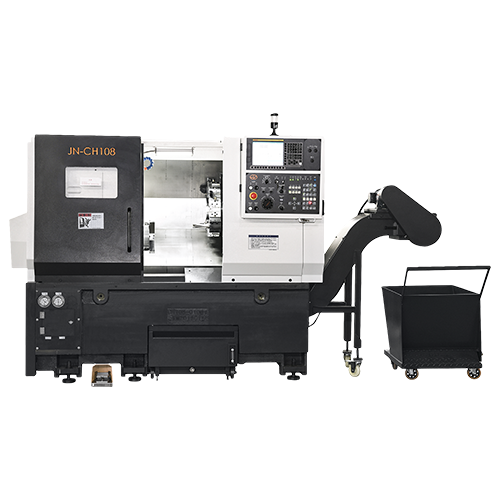
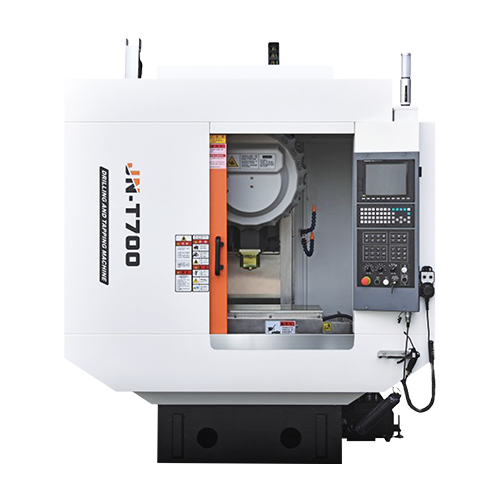
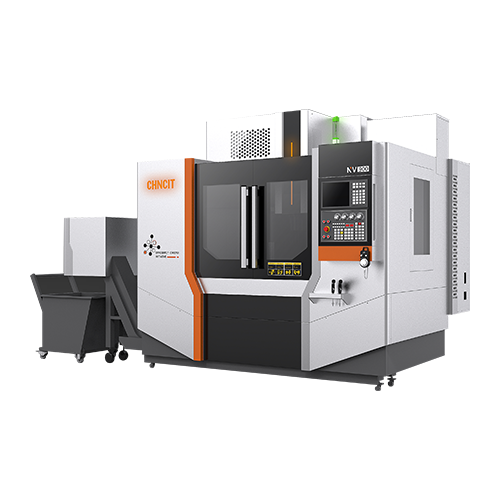
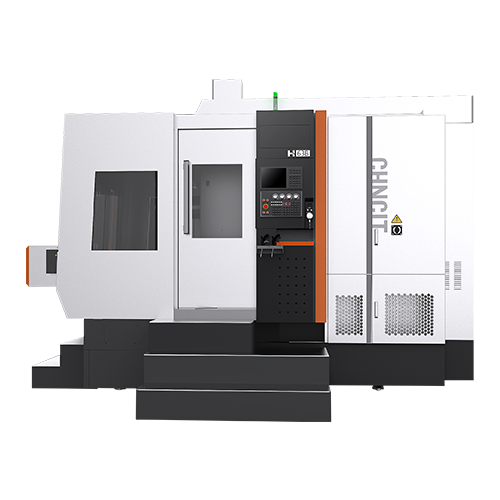
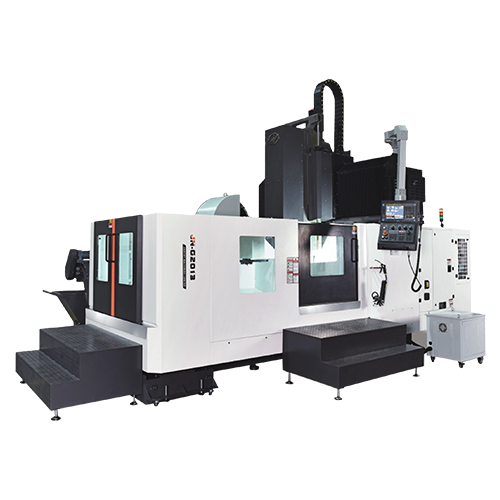
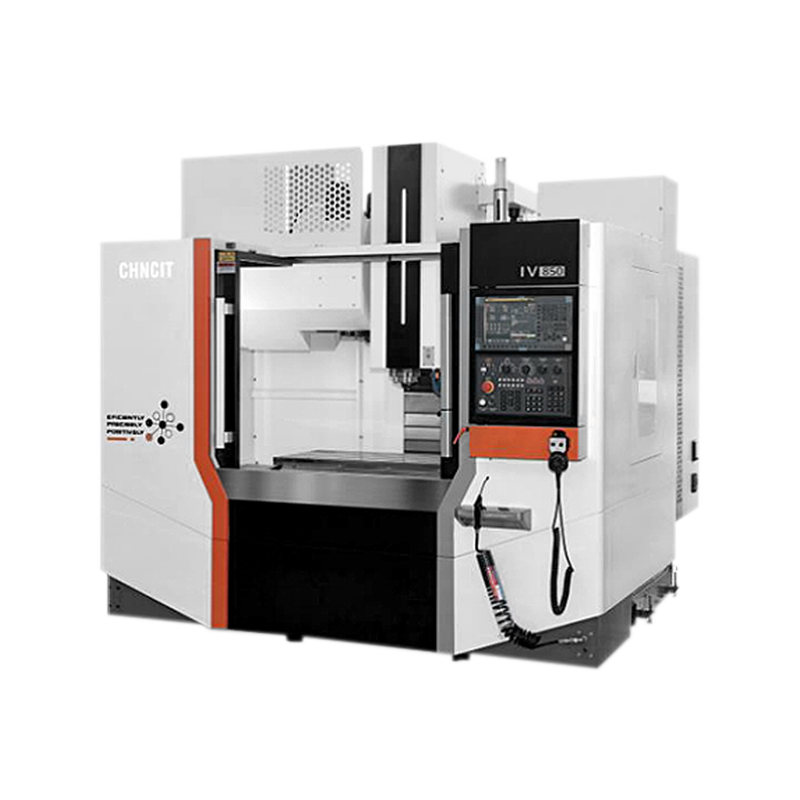
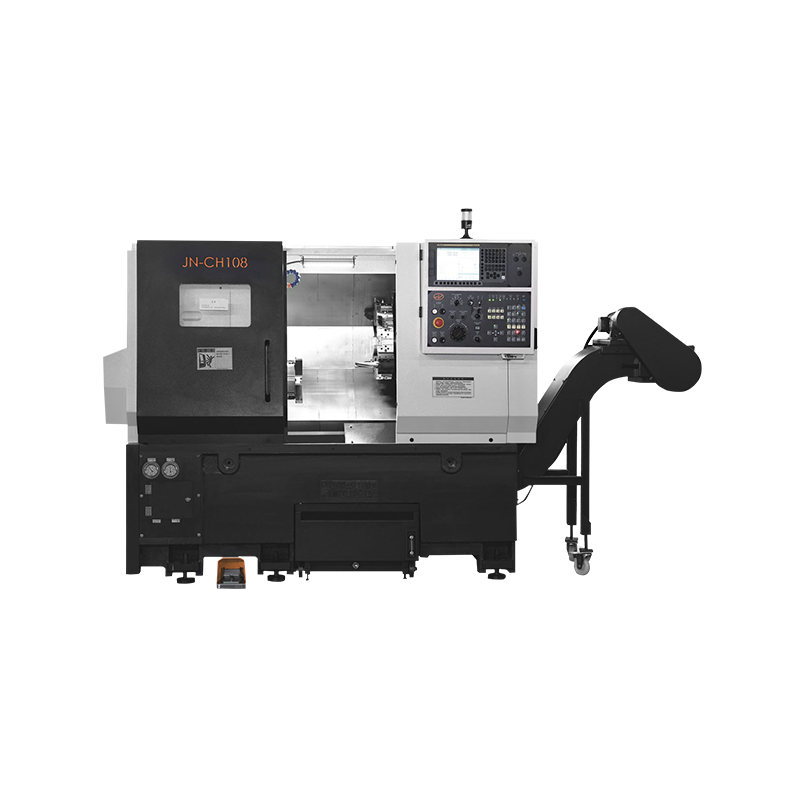
Machining flexibility for various operations like milling, drilling, and tapping;
High precision and efficiency;
Three system choices: Fanuc, mitsubishi, and siemens 828d, with standard original motors;
Belt or Direct type options available for specific product machining requirements.
VIEW MORE 

-
 WHATSAPP
 -
 INS
INS -
 WECHAT
Why Are Manufacturers Shifting Toward High-Precision Vertical Machining Solutions in Modern Production Lines?
Author: CHNCIT
Date: Jun 19, 2026
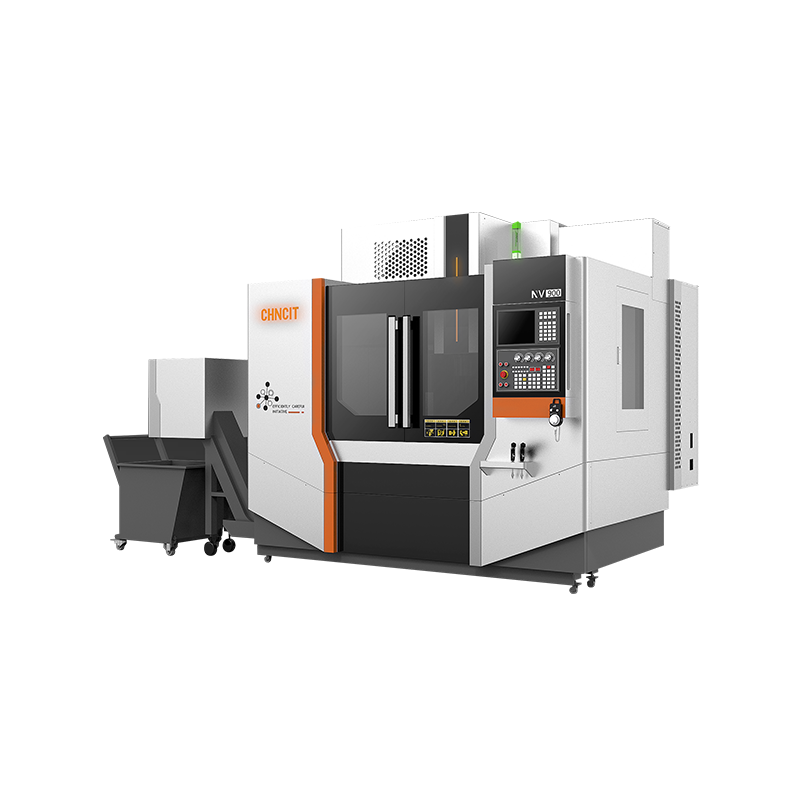
As global manufacturing continues to evolve toward higher precision, faster cycle times, and smarter automation, machining equipment has become a central focus for factory upgrades. Industries such as automotive parts, mold manufacturing, aerospace components, and general metal processing are increasingly demanding compact, stable, and high-accuracy machining systems. In this context, the Vertical Machine Factory supply chain is gaining strong attention from global buyers who are searching for reliable machining solutions that balance productivity, rigidity, and long-term operational stability.
Rising Demand for High-Efficiency CNC Production Systems
Across industrial procurement platforms and engineering discussions, buyers are increasingly focused on machining equipment that can improve throughput while maintaining tight tolerances. This trend is strongly influenced by global competition and rising labor costs.
Common search interests include:
- High precision vertical machining center for metal parts
- CNC vertical milling machine factory solutions
- Automated machining equipment for mass production
- Industrial vertical machining systems for OEM manufacturing
These search behaviors reflect a shift toward productivity-driven investment decisions.
Why Precision and Stability Matter More Than Ever
Modern manufacturing tolerances are becoming tighter, especially in automotive, electronics, and mold industries. Even small deviations in machining accuracy can lead to significant downstream issues.
Key concerns include:
- Dimensional inconsistency in batch production
- Tool vibration affecting surface finish quality
- Thermal deformation during long machining cycles
- Reduced repeatability in high-speed operations
This has increased demand for more rigid and thermally stable vertical machining structures.
Automation Is Reshaping Factory Expectations
With the growth of smart manufacturing and Industry 4.0, buyers are no longer evaluating machines only on mechanical performance. Automation compatibility is now a key requirement.
Important features include:
- CNC control system integration
- Automatic tool changing capability
- Multi-axis machining support
- Data monitoring and production tracking
These functions help factories reduce manual labor dependency while improving production consistency.
Energy Efficiency and Operational Cost Control
Manufacturers are under pressure to reduce long-term operational costs while maintaining output quality. As a result, energy-efficient machine design is becoming increasingly important.
Key evaluation factors include:
- Optimized spindle energy consumption
- Efficient cooling and lubrication systems
- Reduced idle power usage
- Stable performance during continuous operation
These improvements contribute to lower production costs over the machine lifecycle.
Tool Life and Maintenance Efficiency in Real Production
For factory operators, tool wear and maintenance downtime directly affect productivity. Vertical machining systems are increasingly designed to improve maintenance efficiency and extend tool life.
Common operational expectations include:
- Stable spindle performance under heavy load
- Easy maintenance access for key components
- Reduced tool wear through vibration control
- Long-term operational reliability
These factors are critical for high-volume manufacturing environments.
Application Expansion Across Multiple Industries
Vertical machining systems are widely used across different industrial sectors due to their versatility and precision capabilities.
Key application areas include:
- Automotive engine and structural components
- Mold and die manufacturing
- Aerospace precision parts
- Industrial equipment housings
- Metal fabrication and general machining
This broad application range continues to drive global demand growth.
Future Trends in Vertical Machining Technology
As manufacturing continues to move toward intelligent, automated, and high-precision production, vertical machining systems are expected to evolve further. Buyers are increasingly focusing on system integration, machining accuracy, and long-term reliability rather than just initial equipment cost.
In this competitive global environment, choosing a reliable Vertical Machine Factory will remain essential for manufacturers seeking stable production performance, improved efficiency, and sustainable long-term growth in advanced machining industries.

Copyright © Jiangnan CNC Machine Tool Co., Ltd.
