


 简体中文
简体中文 English
 русский
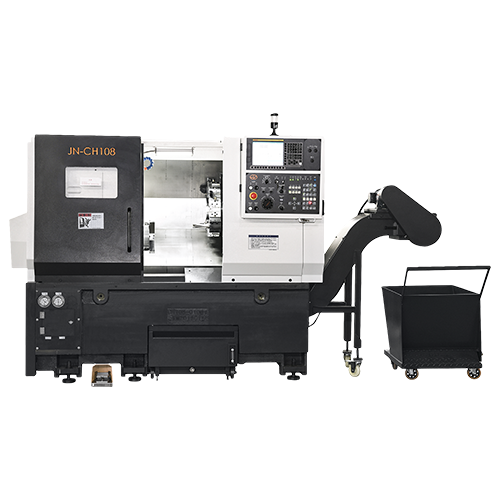
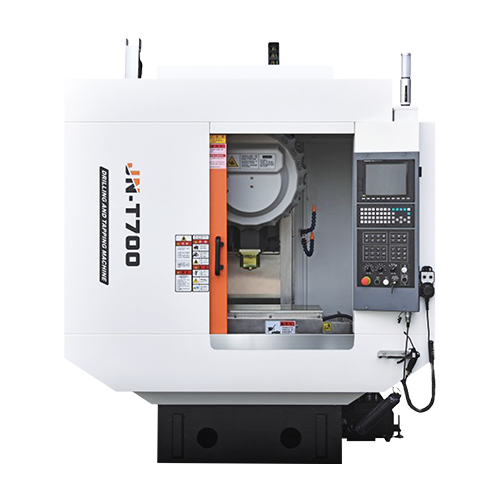
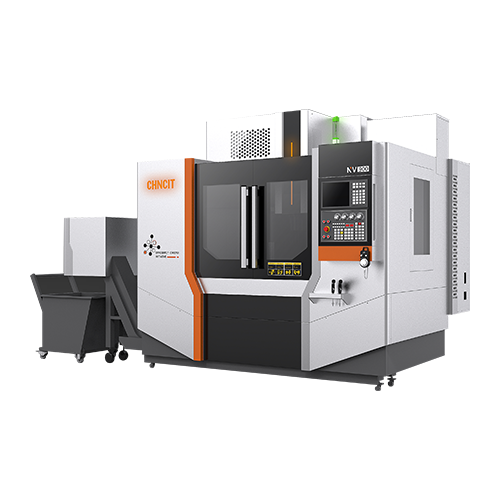
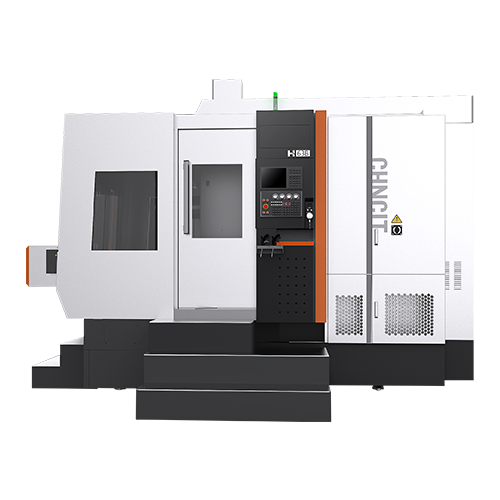
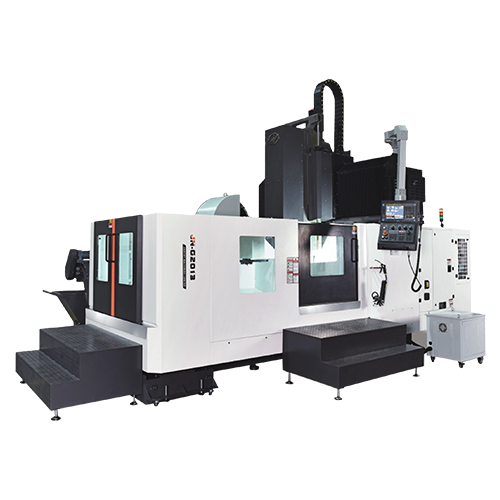
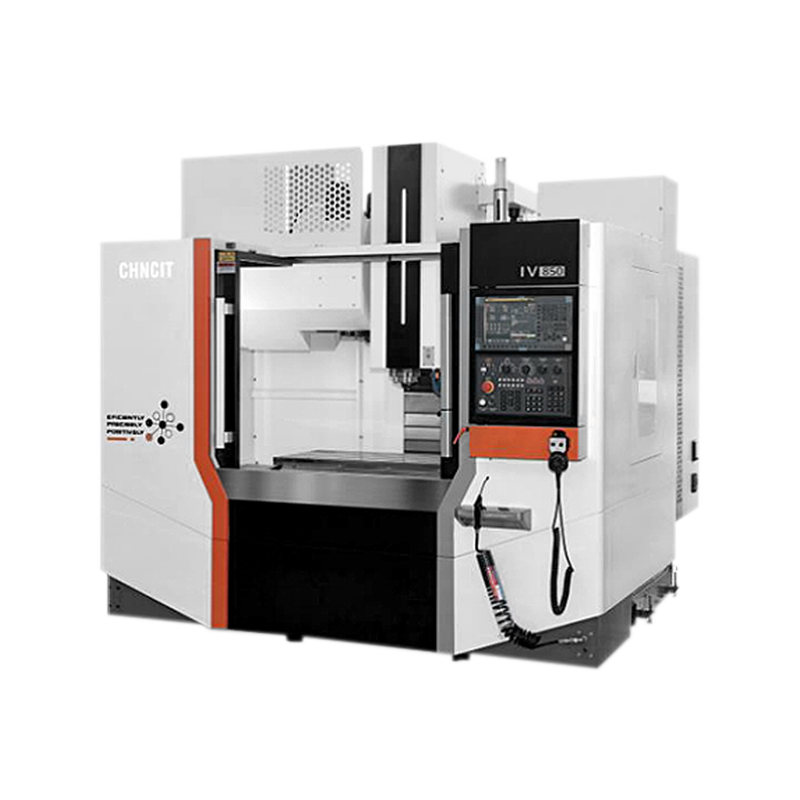
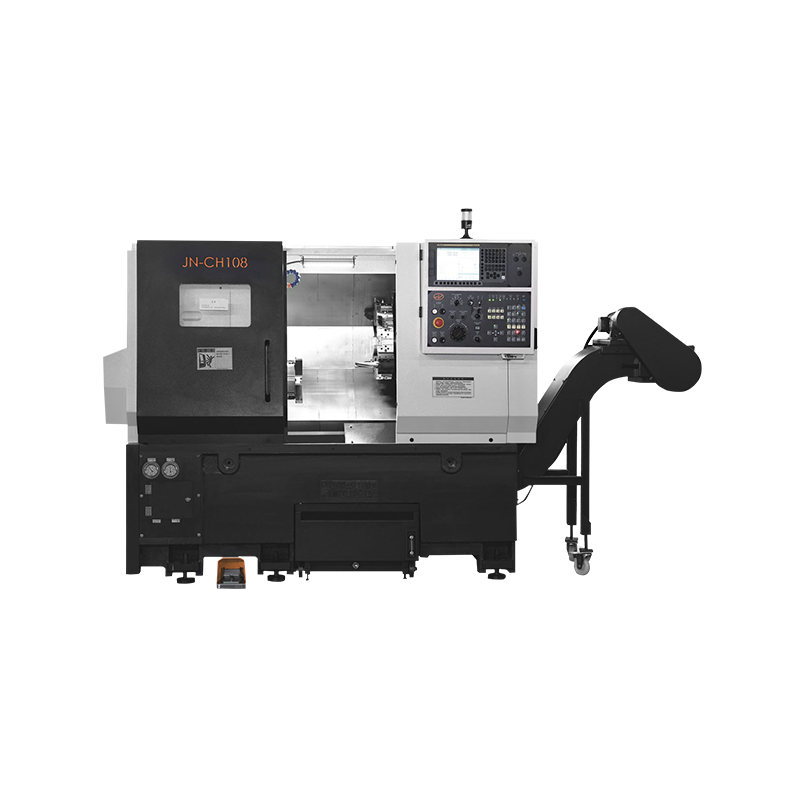
Machining flexibility for various operations like milling, drilling, and tapping;
High precision and efficiency;
Three system choices: Fanuc, mitsubishi, and siemens 828d, with standard original motors;
Belt or Direct type options available for specific product machining requirements.
VIEW MORE 

-
 WHATSAPP
 -
 INS
INS -
 WECHAT
How Is Smart Manufacturing Transforming the Demand for Advanced Vertical Machining Solutions?
Author: CHNCIT
Date: Jun 12, 2026
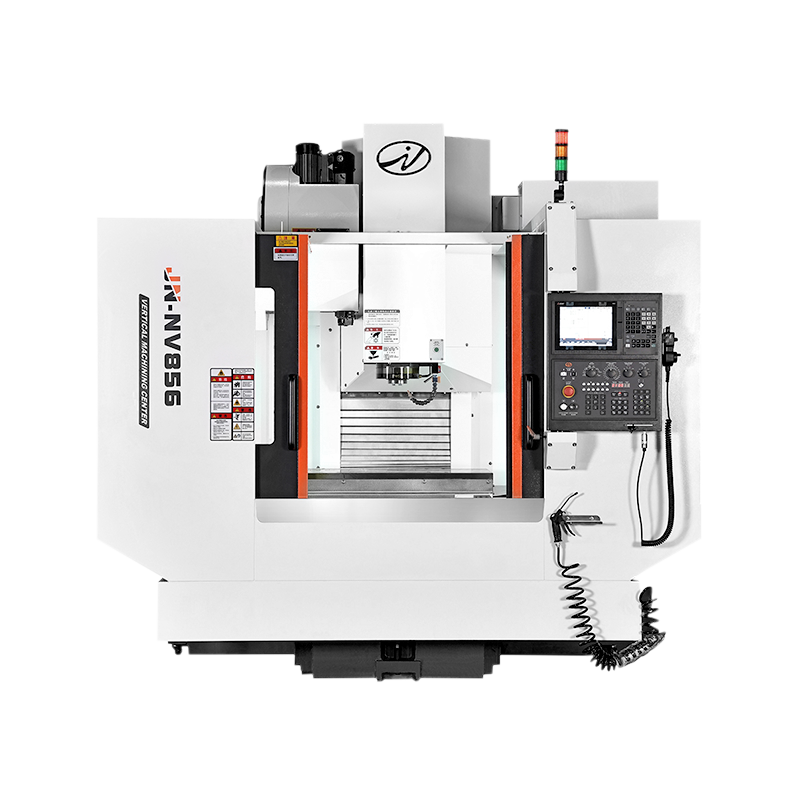
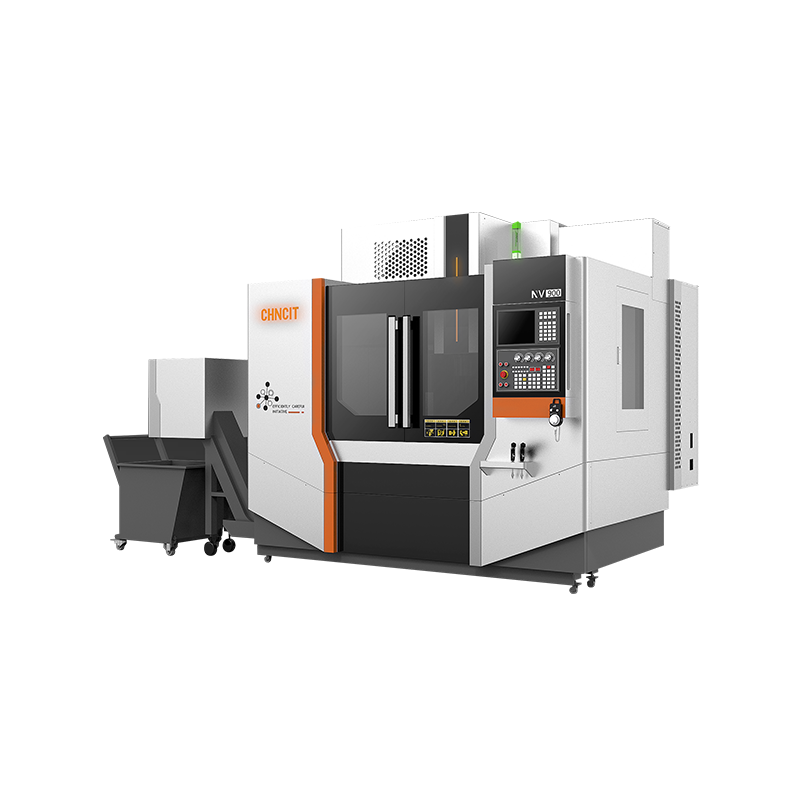
Global manufacturing is entering a new phase driven by automation, digital integration, and high-precision engineering requirements. From automotive components to aerospace structures and mold processing, factories are under increasing pressure to improve accuracy while reducing production time. As a result, demand for stable, efficient, and intelligent machining equipment is rising quickly. Within this trend, the Vertical Machine Factory ecosystem is becoming a key focus for international buyers seeking reliable CNC solutions that can support modern smart factory production lines.
Growing Demand for High-Precision and Repeatable Machining
Industry buyers are increasingly prioritizing consistency and accuracy in mass production environments. Precision is no longer optional—it is a baseline requirement across many industrial sectors.
Common search trends include:
- High precision CNC vertical machining center supplier
- Industrial vertical milling machine for mass production
- Stable machining solutions for metal parts manufacturing
- OEM vertical machining factory for customized production
These trends reflect the global shift toward quality-controlled manufacturing systems.
Why Structural Rigidity Is a Key Purchasing Factor
Modern machining tasks often involve high-speed cutting, complex geometries, and long production cycles. Machine stability directly impacts final product quality.
Key technical concerns include:
- Vibration control during high-speed machining
- Thermal stability in continuous operation
- Frame rigidity under heavy cutting loads
- Consistent accuracy across long production runs
These factors are essential for industries requiring tight tolerances.
The Impact of Smart Factory Integration
As Industry 4.0 continues to expand, CNC machines are increasingly expected to integrate with digital production systems. Buyers are now evaluating machines based on connectivity and automation capabilities.
Important system features include:
- CNC control network integration
- Real-time production monitoring
- Automated tool management systems
- Data-driven machining optimization
These capabilities help manufacturers improve efficiency and reduce human error.
Efficiency Optimization in Modern Production Lines
Manufacturers are under pressure to reduce cycle times while maintaining machining quality. This has made operational efficiency a key evaluation factor for new equipment investments.
Common buyer priorities include:
- Faster spindle response and acceleration
- Reduced non-cutting time
- Optimized tool change systems
- Stable performance in continuous production
These improvements directly affect factory output and profitability.
Maintenance Strategy and Long-Term Machine Stability
In industrial environments, machine downtime can significantly affect production schedules. As a result, buyers are paying closer attention to maintenance efficiency and long-term durability.
Key expectations include:
- Easy access for routine maintenance
- Long service life of core components
- Reduced wear under heavy-duty operation
- Stable lubrication and cooling systems
Reliable maintenance design helps ensure uninterrupted production.
Expanding Applications Across Global Industries
Vertical machining systems are widely used in multiple industrial sectors due to their versatility and precision capabilities. Demand continues to grow across both developed and emerging markets.
Key application areas include:
- Automotive precision components
- Aerospace structural parts
- Mold and die manufacturing
- Industrial machinery parts
- Metal processing and fabrication industries
This broad usage base supports consistent global demand growth.
Future Outlook for Vertical Machining Technology
As manufacturing continues to evolve toward intelligent, automated, and high-efficiency production models, vertical machining systems will play an increasingly important role. Buyers are focusing more on system intelligence, long-term stability, and production adaptability rather than short-term cost considerations.
In this evolving industrial landscape, working with a reliable Vertical Machine Factory will remain essential for manufacturers aiming to improve production efficiency, achieve higher machining accuracy, and maintain competitiveness in global advanced manufacturing markets.

Copyright © Jiangnan CNC Machine Tool Co., Ltd.
