


 简体中文
简体中文 English
 русский
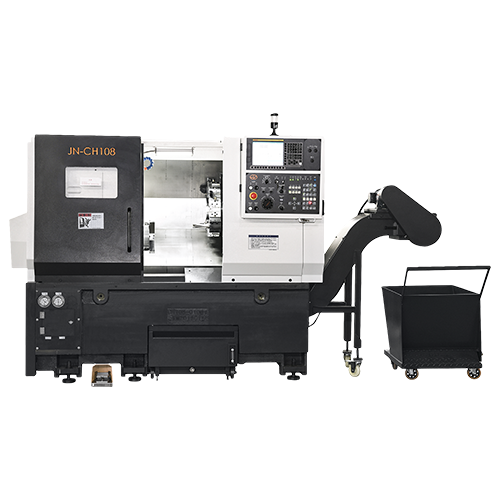
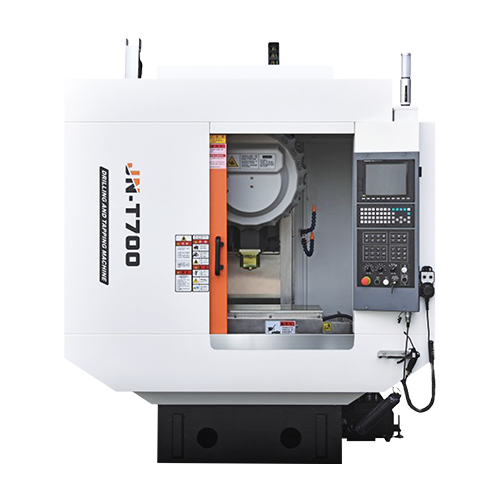
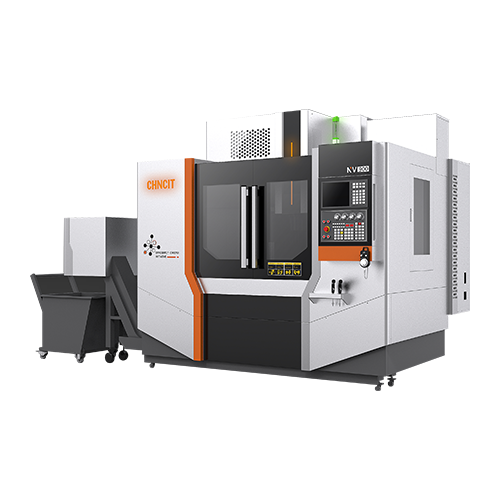
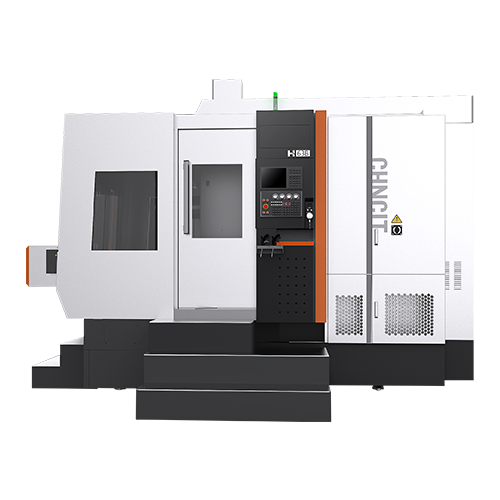
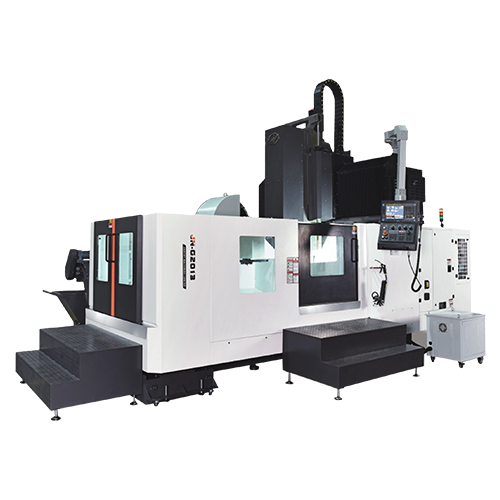
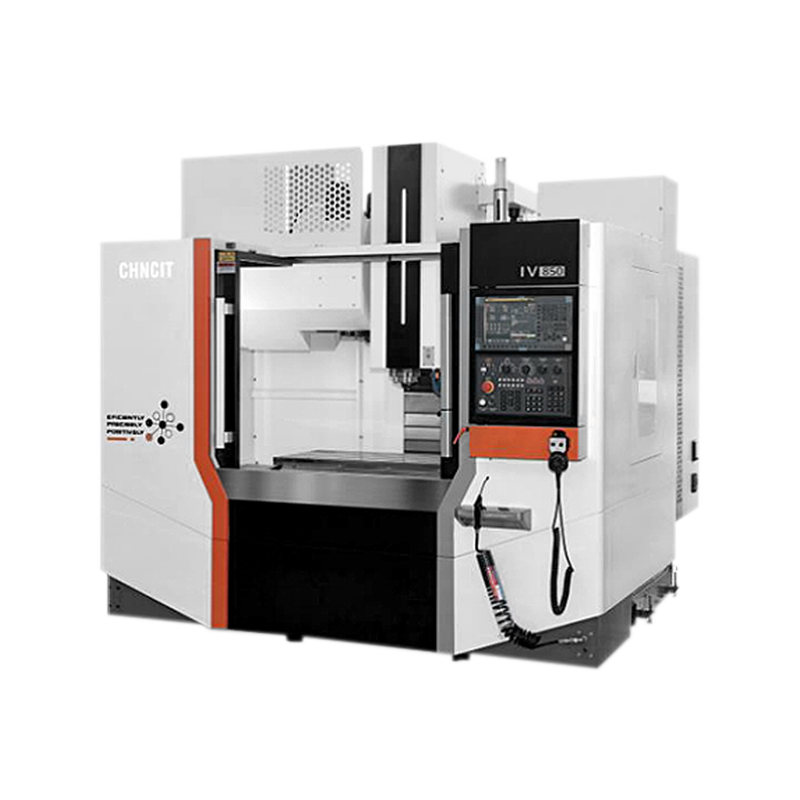
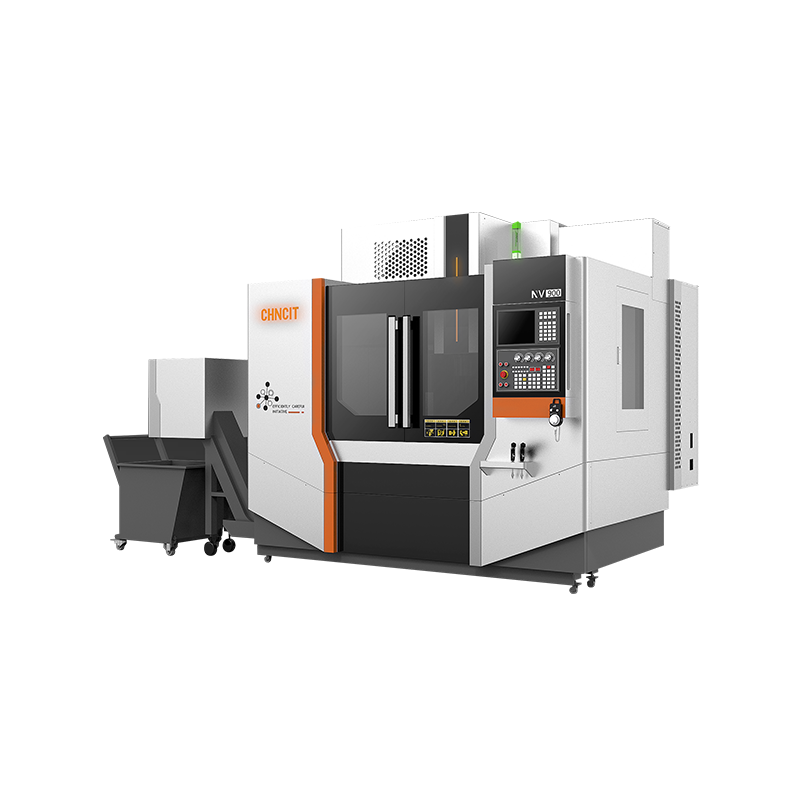
Machining flexibility for various operations like milling, drilling, and tapping;
High precision and efficiency;
Three system choices: Fanuc, mitsubishi, and siemens 828d, with standard original motors;
Belt or Direct type options available for specific product machining requirements.
VIEW MORE 

-
 WHATSAPP
 -
 INS
INS -
 WECHAT
Why Does Your Gantry Machining Center Lose Accuracy
Author: CHNCIT
Date: Apr 10, 2026
Precision decay in large-format machining equipment frustrates even experienced operators. A CNC Gantry Machining Center is engineered for tight tolerances over long travel distances, yet users regularly report unexpected deviations. Similarly, a CNC Gantry Machine used for aerospace or energy sector components may start producing parts 0.05 mm off position within months of calibration. Through analyzing service records and user-submitted questions, Jiangnan CNC Machine Tool Co., Ltd. has identified several repeating accuracy killers. Why does your gantry machining center lose accuracy even when no crash occurred?
Thermal drift as the hidden primary cause
Temperature changes affect all machine structures, but gantry designs are particularly sensitive due to their asymmetric heat sources:
Ball screw or rack growth: A 1-meter-long screw heats up by 10°C and expands roughly 0.12 mm. For a gantry with 4-meter travel, that exceeds 0.4 mm of positional error.
Column thermal bowing: Sunlight from a skylight or warm air from nearby ovens heats one column more than the other. The CNC Gantry Machine then cuts trapezoidal parts instead of rectangular ones.
Spindle motor heat migrating to the crossbeam: Continuous high-speed machining raises the beam’s center temperature, causing downward sag.
One user described, “In the morning, first parts are perfect. By afternoon, holes shift 0.08 mm in X and Y directions. We blamed the control system, but it was the shop’s air conditioning turning off at noon.”
Solutions for thermal accuracy recovery
Install spindle chiller units and maintain coolant at stable temperature (±1°C)
Add thermal compensation tables in the CNC – many modern controls allow mapping temperature sensors to axis positions
Keep machine away from windows, doors, and HVAC vents
Run a 20-minute warm-up cycle with all axes moving before production
A heavy die mold manufacturer implemented five PT100 sensors on their CNC Gantry Machining Center: two on columns, two on the beam, one near the spindle. After two weeks of data logging, they applied a linear compensation model and reduced thermal drift from 0.09 mm to 0.02 mm over an 8-hour shift.
Mechanical wear in drive components
Accuracy loss often traces back to three mechanical suspects:
1. Ball screw preload decay
Double-nut ball screws lose preload after 8,000–10,000 hours of heavy cutting. Reduced preload introduces backlash from 0.005 mm up to 0.03 mm. Test by mounting a dial indicator against the spindle nose, then reversing axis direction under light load. More than 0.008 mm backlash indicates re-preloading or nut replacement.
2. Rack and pinion backlash accumulation
For long-travel gantries, multiple pinions driving one rack create cumulative errors. A user found that the left pinion had 0.02 mm backlash, the right pinion 0.01 mm, and the combined effect produced 0.03 mm of twist error on the crossbeam. Solution: adjust pinion spring preload evenly and use dual-encoder feedback for each drive.
3. Guide rail wear on high-use zones
Most cutting occurs in the central 40% of travel, creating a worn “bathtub” profile on rails. The CNC Gantry Machine then positions accurately near ends but loses precision in the middle. Laser interferometry reveals this pattern clearly. Re-grinding rails or replacing them solves the issue, but prevention is better: periodically shift work origins to distribute wear.
Control system factors users overlook
Servo tuning decay: Vibration or aging changes motor-load dynamics. Auto-tuning functions on drives should be re-run every 6 months.
Scale contamination: Glass or magnetic scales accumulate oil mist and chips. One user cleaned their scales every 3 months but still had errors – the problem was compressed air blow-off pushing chips into the reading head. Sealed scales or filtered air solved it.
Backlash compensation settings: These are static values. If mechanical wear changes backlash by 0.01 mm, the compensation becomes wrong.
Practical diagnostic sequence from Jiangnan CNC Machine Tool Co., Ltd.
When a customer asks “Why does your gantry machining center lose accuracy?”, we recommend this order:
Run a 20-minute warm-up, then measure a known test part (e.g., a 300 mm square with holes)
Compare morning vs. afternoon results – if error grows with time, suspect thermal drift
Check backlash in each axis using a dial indicator and reversing test
Perform a laser calibration – pay attention to pitch error and straightness
Inspect scale condition and read-head gap (should be 0.2–0.4 mm for most systems)
One aerospace supplier followed this sequence. They discovered a 0.06 mm lost motion in Y-axis due to a loose coupling on the secondary drive motor. Tightening the coupling and re-tuning the servo restored accuracy to original specification.
Long-term accuracy preservation
Keep ambient temperature variation under 5°C per day
Apply preventive maintenance every 2,000 operating hours
Use cutting fluids that do not attack scale adhesive or rail seals
Document all calibrations and compare trends over time
A CNC Gantry Machining Center that receives systematic thermal and mechanical care will hold ±0.01 mm for well over a decade. Reactive repairs alone never match proactive monitoring.

Copyright © Jiangnan CNC Machine Tool Co., Ltd.
