


 简体中文
简体中文 English
 русский
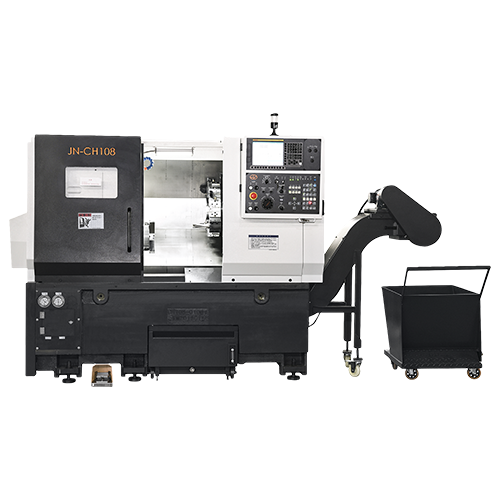
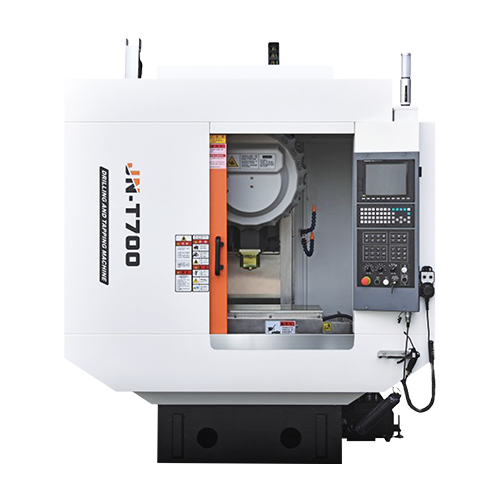
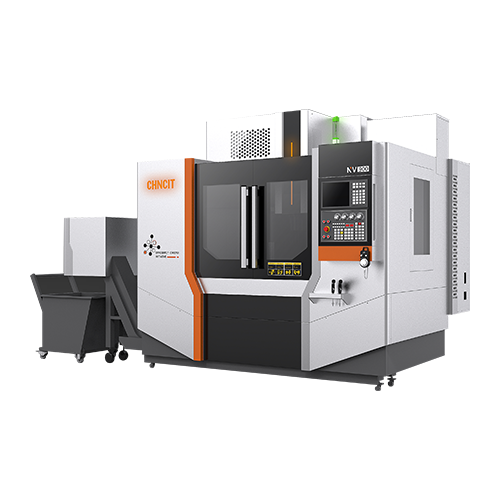
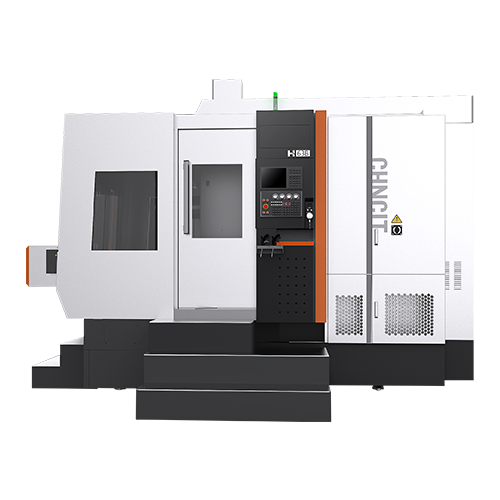
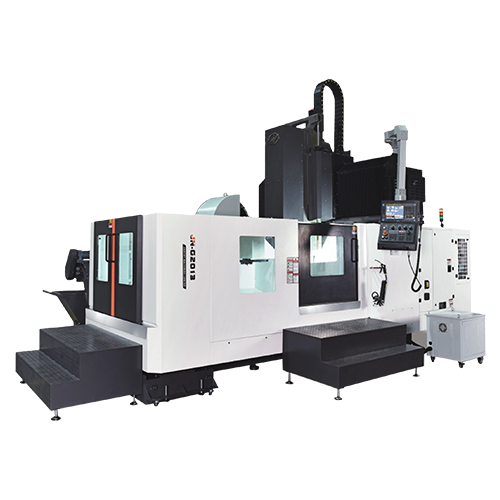
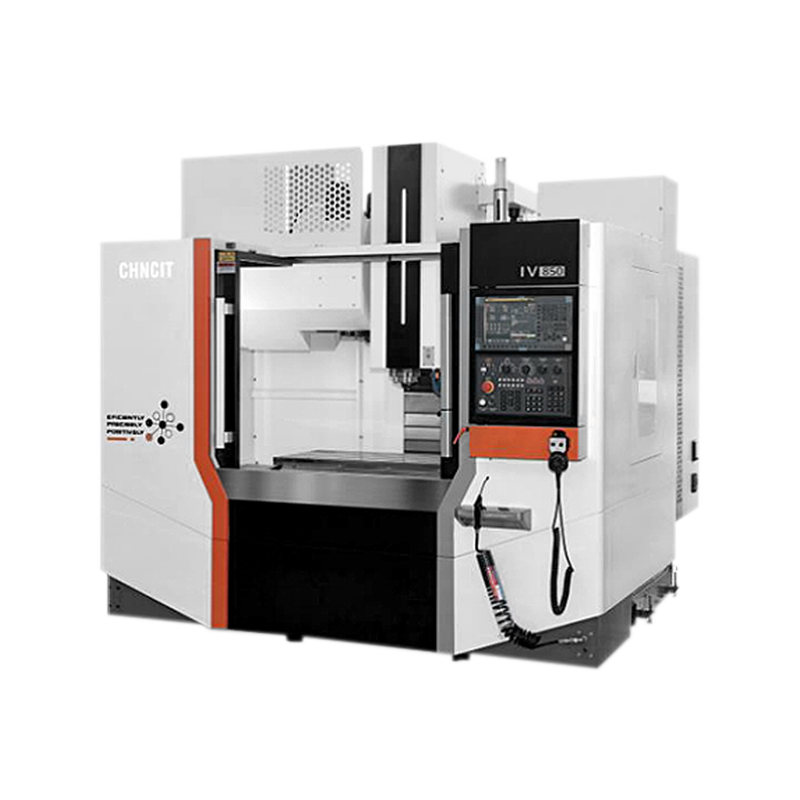
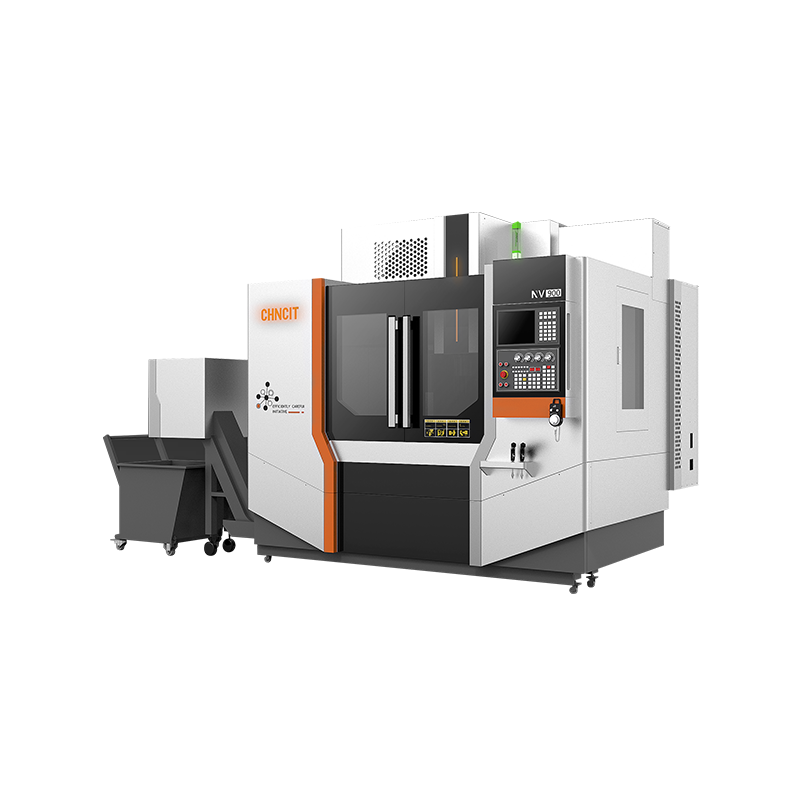
Machining flexibility for various operations like milling, drilling, and tapping;
High precision and efficiency;
Three system choices: Fanuc, mitsubishi, and siemens 828d, with standard original motors;
Belt or Direct type options available for specific product machining requirements.
VIEW MORE 

-
 WHATSAPP
 -
 INS
INS -
 WECHAT
What Common Errors Occur on Horizontal Machining Centers
Author: CHNCIT
Date: Mar 20, 2026
Users operating a CNC Horizontal Machining Center often ask about common errors and unexpected issues that can disrupt precision machining and production flow. Whether it’s surface finish problems, tool breakage, axis movement faults, or control system glitches, understanding these errors helps operators diagnose problems faster and maintain stable machining performance in Horizontal Machining Centers environments.
In many industrial settings, this type of machine is essential for producing complex parts with tight tolerances. Yet, some recurring issues appear across different user reports and maintenance cases. Addressing them early — either through operator training or proper machine support — plays a key role in reducing downtime and improving production quality. At Jiangnan CNC Machine Tool Co., Ltd., our technical team frequently helps customers identify and resolve such common problems to keep their operations smooth and efficient.
Axis Movement and Mechanical Errors
One of the most frequently reported issues with Horizontal Machining Centers is axis movement irregularities. Operators sometimes notice that an axis either fails to move smoothly or experiences unexpected jumps or backlash. These symptoms often stem from mechanical wear and tear on components like ball screws or linear guides, or loose servo connections. Mechanical backlash can lead to inaccurate cuts and unexpected variations in part dimensions. Regular mechanical inspection and alignment checks help identify worn components before they lead to major disruptions.
Another related error involves unexpected stoppages during axis movement. This might occur due to encoder misfeedback or servo drive alarms, which indicate positioning mismatches or electrical noise interference. These errors can be tricky because they sometimes appear as intermittent faults, hindering predictable machining behavior.
Programming and Control System Errors
A critical source of common errors on Horizontal Machining Centers lies in programmer setup and control logic. Many issues originate from incorrect G-code or M-code sequences, inappropriate work coordinate system definitions, or unintended offsets in the program. User input mistakes remain a prevalent problem because even small syntax errors can lead to significant deviations, such as wrong cuts or unexpected tool paths.
Control panels may also display software alarms or communication errors between the controller and machine hardware. These errors can stem from corrupted parameter files, outdated firmware, or simple memory glitches within the CNC system. When operators see abrupt stops or frozen screens, restarting the controller or updating software versions often helps — but persistent errors may require professional diagnostics.
Tooling Issues and Surface Quality Defects
In machining practice, tool breakage and wear problems are frequent errors encountered on horizontals. These issues could result from choosing incorrect tooling for a given material or failing to adjust feeds and speeds for specific cutting conditions. If a tool is pushing beyond its optimal limits, it can break prematurely and leave the workpiece with burrs, rough finishes, or visibly inconsistent surfaces.
Surface finish defects also arise from dynamic cutting problems such as vibration or chatter. Machining vibrations happen due to resonance between cutting forces and machine structure, or when spindle speed aligns unfavorably with natural frequencies of the tooling and workpiece assembly. These vibrations not only compromise surface quality but may also accelerate tooling wear and lead to additional errors in the machining process.
Wrong Cutting Parameters and Maintenance Errors
An often overlooked source of errors on Horizontal Machining Centers stems from feed and speed mismatches, improper coolant flow, and neglect of maintenance. When cutting parameters are too slow or aggressive, they can result in poor surface finish, excessive heat, or unplanned tool damage. Operators should consult tooling recommendations and adapt parameters based on the material and cutter geometry.
Routine maintenance plays a crucial role as well. Debris buildup, worn belts, or inadequate lubrication can lead to additional errors — such as increased friction, overheating, or even sudden machine stops. Establishing a maintenance schedule that includes cleaning, lubrication checks, and coolant replenishment helps prevent these issues before they affect production quality.
Power and Electrical Related Failures
Electrical system faults also contribute to common errors on these machines. Loose wiring, unstable power supply, or failing drives can manifest as machine resets, erratic axis motion, or control panel errors. Verifying the stability of electrical supply and inspecting cables helps minimize such issues. This is particularly important in heavy machining centers, where stable electrical input is essential for reliable performance.
Understanding and Managing Faults
Common errors on Horizontal Machining Centers often arise from mechanical wear, programming mistakes, tooling choices, or inadequate maintenance. Addressing these factors proactively — through training, inspection, and thoughtful setup — helps shops reduce unexpected downtime and improve machining consistency.
Whether you are troubleshooting a surface finish issue, resolving a control alarm, or optimizing feed rates, understanding typical errors and their causes equips operators to act confidently and efficiently. For advanced production environments, combining good machine support practices with regular diagnostics ensures smoother operation and fewer surprises with your Horizontal Machining Centers.

Copyright © Jiangnan CNC Machine Tool Co., Ltd.
