


 简体中文
简体中文 English
 русский
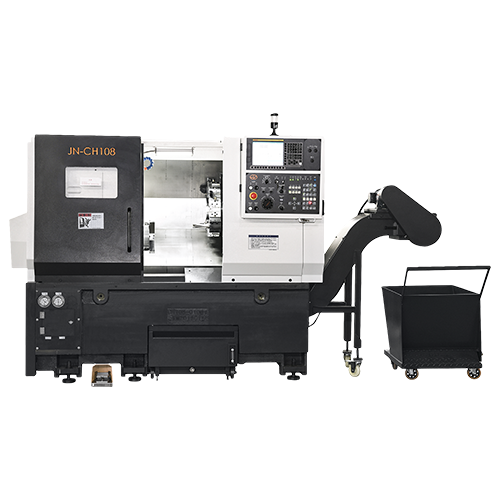
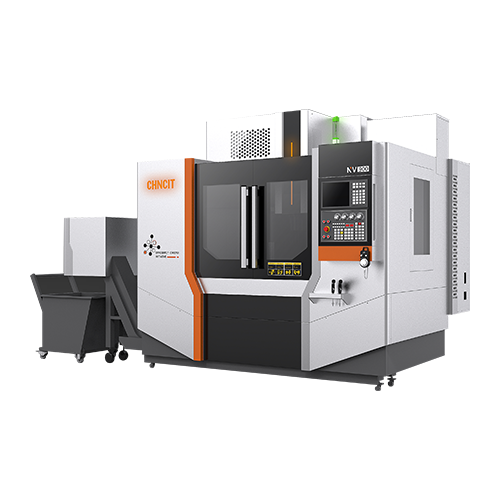
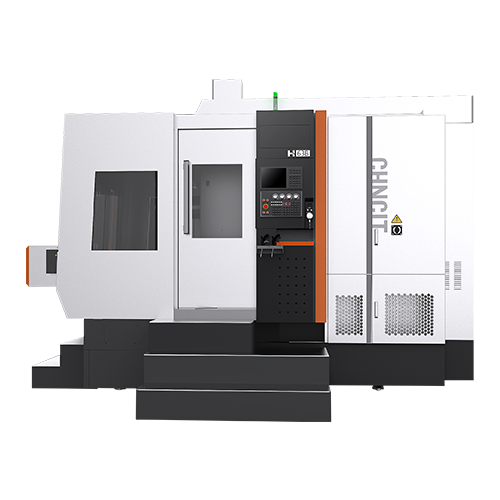
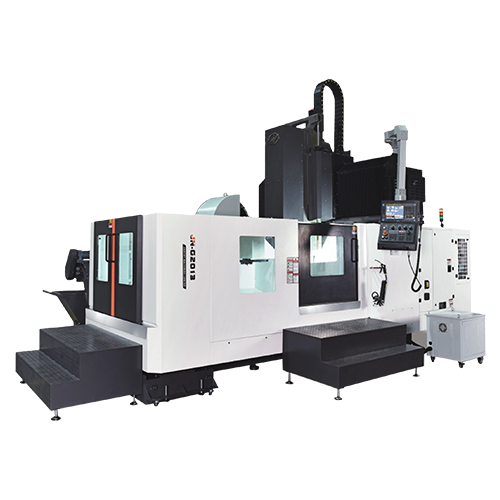
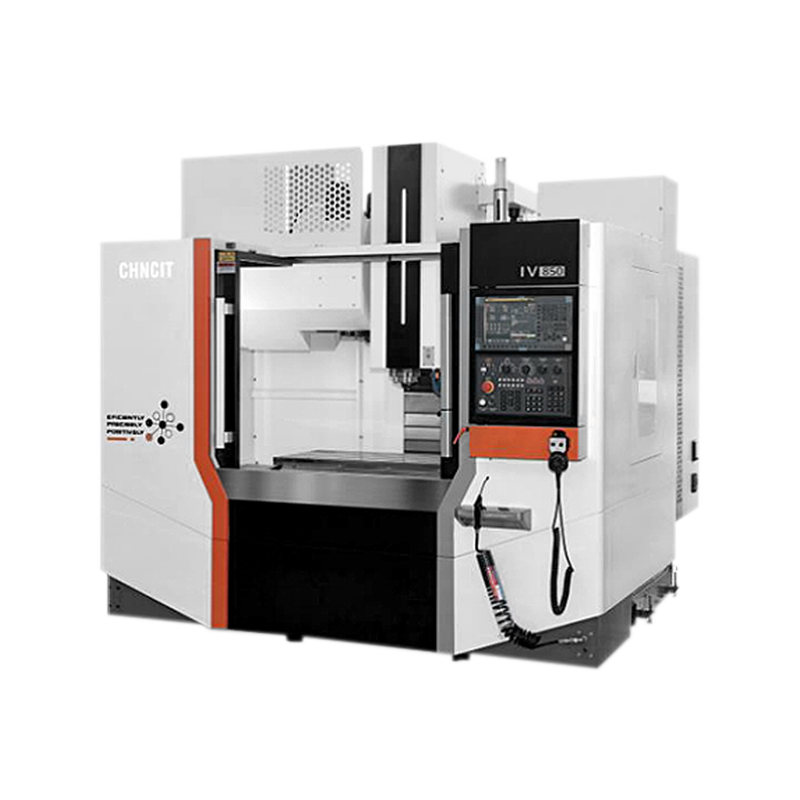
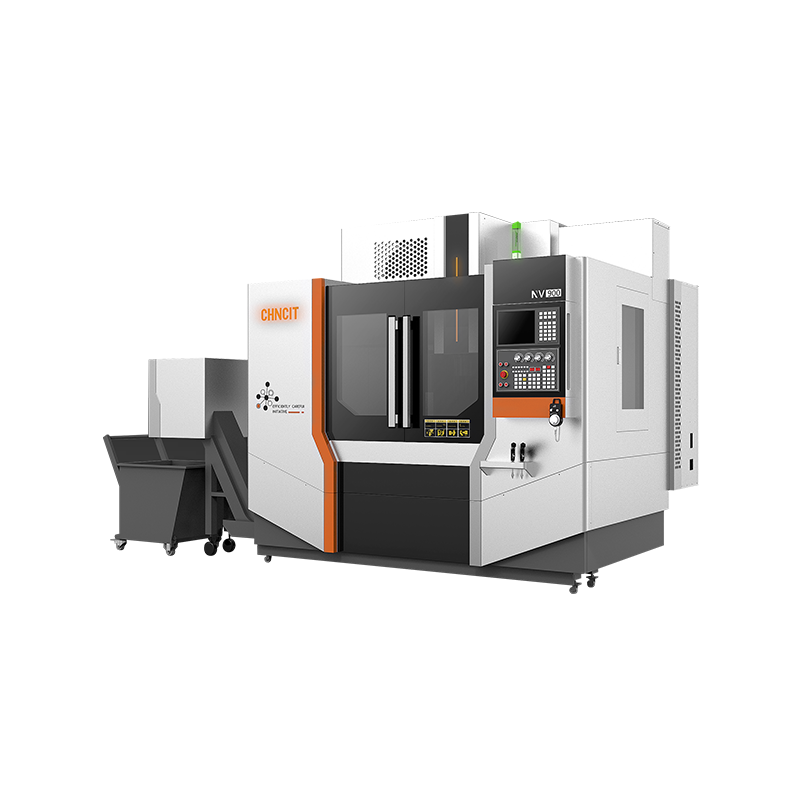
Machining flexibility for various operations like milling, drilling, and tapping;
High precision and efficiency;
Three system choices: Fanuc, mitsubishi, and siemens 828d, with standard original motors;
Belt or Direct type options available for specific product machining requirements.
VIEW MORE 

-
 WHATSAPP
 -
 INS
INS -
 WECHAT
Can Thermal Stability Make a CNC Milling Machine More Reliable in Production?
Author: CHNCIT
Date: Sep 18, 2026
A CNC milling machine may deliver good results during initial testing, yet maintaining consistent machining performance throughout a long production cycle requires more than mechanical accuracy. Heat generated by the spindle, motors, cutting process, and surrounding environment can gradually influence machine behavior. For buyers evaluating a CNC Milling Machine Factory, thermal stability is therefore an important part of equipment design because it connects machine construction, component selection, control technology, and manufacturing quality.
Heat Is a Machine Design Challenge
During machining, different components generate and transfer heat at different rates. If temperature changes are not properly considered, they can influence the relationship between moving components and the workpiece.
For an equipment manufacturer, thermal behavior should be considered during the early design stage. Machine structure, spindle arrangement, cooling methods, component positioning, and airflow can all influence how heat moves through the equipment.
Rather than treating thermal management as an additional feature, manufacturers can incorporate it into the overall machine architecture.
Spindle Performance Affects Thermal Behavior
The spindle is one of the most important heat sources in a CNC milling machine, particularly during extended operation. Its configuration needs to correspond with the intended machining conditions rather than being selected only according to maximum speed.
Manufacturers can evaluate factors such as:
- Expected spindle operating conditions
- Typical machining cycle duration
- Material and cutting requirements
- Cooling requirements
- Tooling characteristics
This application-based approach helps create a spindle configuration that supports the customer's actual production process while keeping thermal considerations within the overall equipment design.
Structural Design Helps Control Thermal Effects
Thermal changes do not occur independently from the machine structure. The bed, column, table, spindle assembly, guideways, and drive components interact throughout the machining process.
A well-planned structure can provide a more predictable mechanical environment as operating temperatures change. For manufacturers, this means evaluating component relationships during engineering rather than attempting to solve thermal behavior after the machine has already been assembled.
The objective is not to eliminate temperature changes completely, but to manage their influence on machining performance through coordinated design.
Cooling Should Match the Application
Cooling systems need to be selected according to the machine's actual workload. A configuration suitable for occasional machining may not be appropriate for equipment expected to perform extended production cycles.
The manufacturer should consider the heat generated by major components and how cooling can be integrated without creating unnecessary complexity. Coolant routing, spindle cooling, cabinet ventilation, and surrounding airflow may all form part of the final design depending on the application.
For buyers, discussing these requirements before production can provide a clearer understanding of how the machine is prepared for its intended working environment.
Compensation Technology Adds Another Layer of Control
Thermal compensation is becoming a more visible part of modern machine tool development. Industry observations from 2026 indicate that thermal compensation is increasingly being incorporated into automated machining environments, while current research is also exploring in-process measurement and compensation of thermal deformation.
However, compensation technology should complement sound mechanical engineering rather than replace it. A manufacturer still needs to establish a stable machine structure, appropriate component configuration, and controlled assembly before compensation functions can provide meaningful support.
Manufacturing Accuracy Matters After Design
Thermal stability depends partly on how accurately the machine is manufactured and assembled. Component positioning, alignment, fastening, guideway installation, spindle assembly, electrical connections, and inspection procedures can all influence the final equipment.
This is particularly important for buyers ordering multiple machines. Consistent manufacturing processes help ensure that repeated units follow the same approved design and maintain comparable mechanical characteristics.
For an equipment manufacturer, quality control therefore needs to cover both individual components and the complete machine after assembly.
Testing Should Consider Real Operating Conditions
Final testing provides an opportunity to evaluate whether the finished machine performs according to its intended configuration. Depending on the application, manufacturers can examine spindle operation, axis movement, alignment, control functions, cooling performance, and other agreed requirements.
Testing also gives engineers useful feedback for future machine development. Instead of treating production as the final step, a manufacturer can use inspection and testing results to continuously refine machine design and manufacturing procedures.
Build Stability Into the Machine From the Beginning
Thermal stability is not determined by one component or one software function. It is the result of decisions made across machine architecture, spindle configuration, cooling, mechanical assembly, control technology, and final testing.
As a CNC Milling Machine Factory, we focus on developing complete equipment around the machining requirements of each application. By combining engineering design, component matching, controlled manufacturing, precise assembly, and systematic testing, we aim to provide CNC milling machines that maintain more consistent performance as production conditions change.

Copyright © Jiangnan CNC Machine Tool Co., Ltd.
