


 简体中文
简体中文 English
 русский
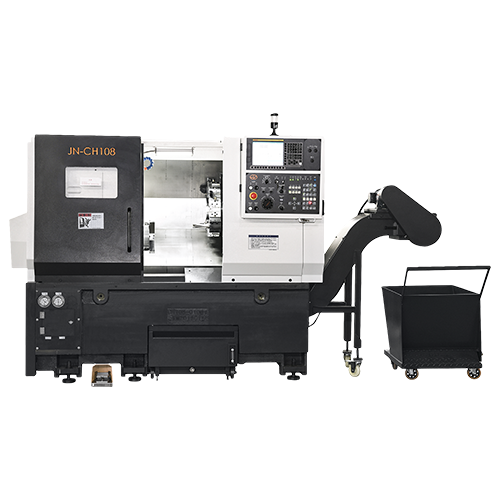
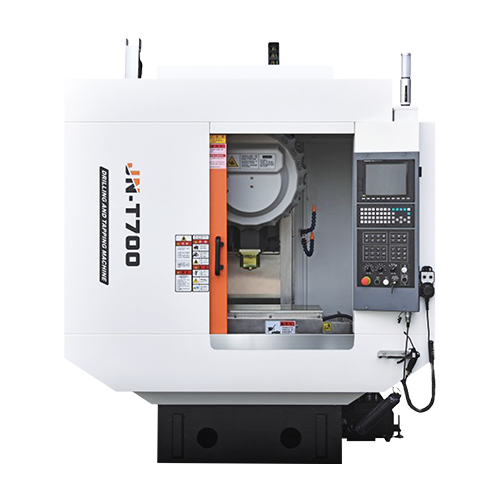
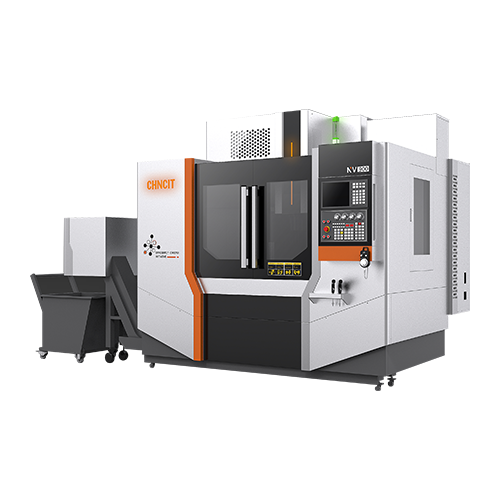
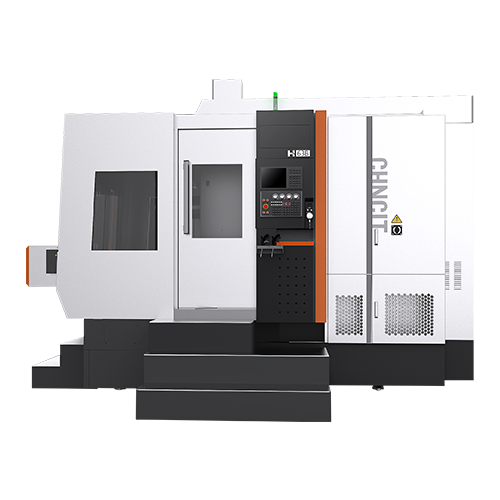
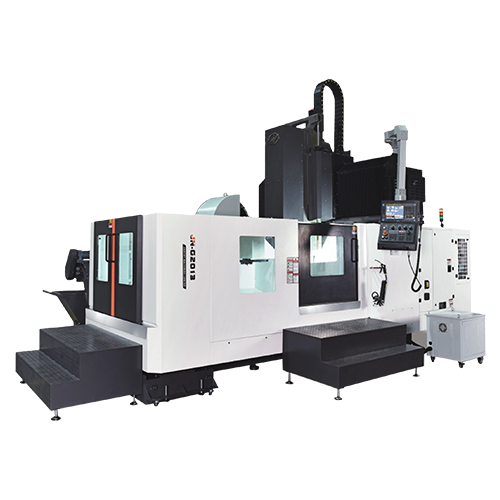
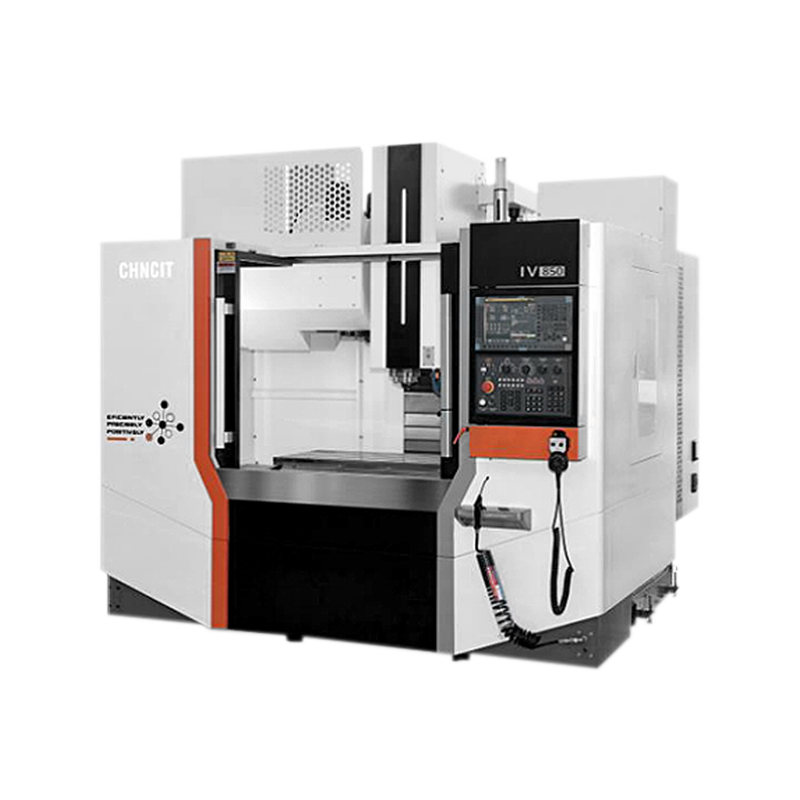
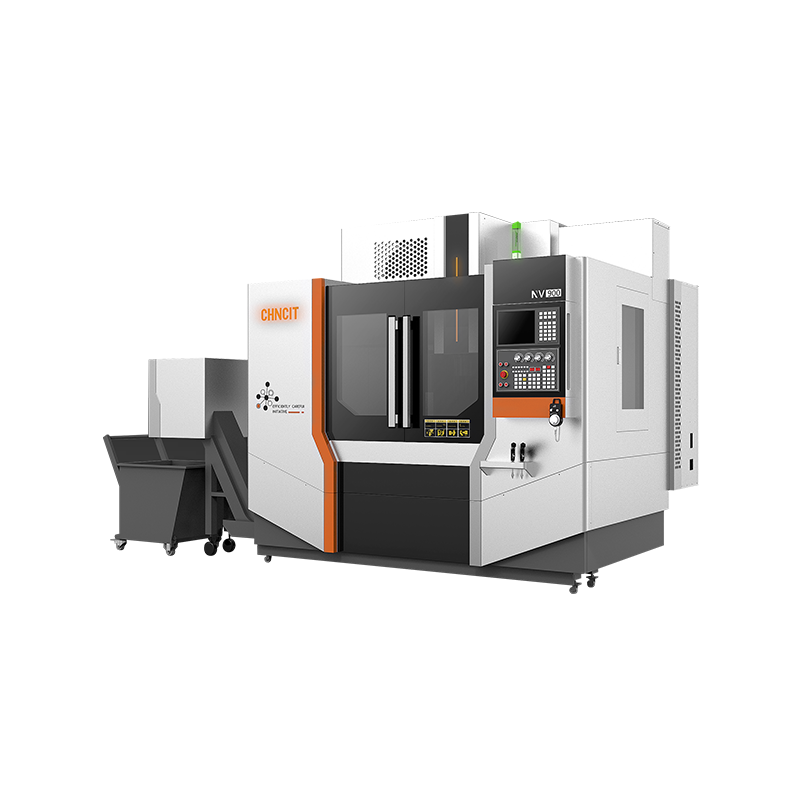
Machining flexibility for various operations like milling, drilling, and tapping;
High precision and efficiency;
Three system choices: Fanuc, mitsubishi, and siemens 828d, with standard original motors;
Belt or Direct type options available for specific product machining requirements.
VIEW MORE 

-
 WHATSAPP
 -
 INS
INS -
 WECHAT
Can CNC Drilling Machines Handle Small Holes
Author: CHNCIT
Date: May 15, 2026
Small-hole machining is a challenge that often surfaces in precision engineering, mold making, and electronics manufacturing. Many buyers searching for a CNC Mill Drill For Sale are concerned about whether the machine can maintain accuracy when drilling holes under 2 mm in diameter or deep blind holes. A high-quality CNC Drilling Milling Machine must combine spindle precision, stable motion, and proper tooling to achieve consistent results.
Factors Affecting Small-Hole Machining
Small-hole accuracy depends on multiple machine and process factors:
1. Spindle Precision
Spindle runout is critical when drilling small holes. Even 0.01 mm of radial runout can deform the hole or cause drill breakage. Our CNC Drilling Milling Machine series uses precision-balanced spindles with angular contact bearings and tight taper tolerances, ensuring minimal deviation for small-diameter operations.
2. Tool Rigidity and Holder Stability
A small drill with excessive overhang increases bending stress. Proper tool holders, short stick-out lengths, and balanced tooling are essential. Many forums report that micro drill breakage is common when operators underestimate the influence of tool overhang.
3. Motion Accuracy
For holes under 2 mm, linear guideway precision and ball screw backlash directly impact positional accuracy. Machines from Jiangnan CNC Machine Tool Co., Ltd. achieve ±0.008 mm positioning accuracy through preloaded ball screws and calibrated linear guides.
4. Cutting Parameters
Feed rate and spindle speed must match the material and tool size. Too fast a feed can cause chatter, while too slow a speed can lead to rubbing. Variable spindle RPM and adaptive feed control are recommended for deep or small holes.
Workholding Considerations
Secure workholding prevents micro-movement that can affect hole accuracy. Methods include:
- Precision vises with soft jaws
- Vacuum fixtures for thin sheets
- Multi-point support for long workpieces
Even minor vibration or fixture flex can result in off-center or oversized holes.
Material-Specific Considerations
- Aluminum: Quick chip removal is necessary; small drills tend to clog. Coolant flow and high spindle speed are critical.
- Stainless Steel: Drill deflection is higher; rigid tooling and low feed per revolution prevent deviation.
- Brass / Copper: Chips are sticky; using peck drilling cycles reduces risk of tool breakage.
Technology Enhancements for Small Holes
Modern CNC Drilling Milling Machines incorporate software features to improve small-hole quality:
- Peck drilling cycles for deep holes
- Adaptive feed control to prevent chatter
- Tool breakage detection
- High-frequency spindle vibration damping
Case Study
A client required 0.8 mm holes on an aluminum heat sink plate with 50 mm depth. Using a standard CNC Mill Drill For Sale, they experienced frequent drill breakage. By switching to Jiangnan CNC Machine Tool Co., Ltd.’s CNC Drilling Milling Machine, optimizing tool stick-out, and adjusting feed per tooth, they achieved consistent hole quality with ±0.02 mm diameter accuracy.
Small-hole drilling is feasible with proper machine selection, tool choice, and process optimization. CNC Drilling Milling Machines from Jiangnan CNC Machine Tool Co., Ltd. are designed to handle micro-hole requirements, ensuring precise results in mold making, electronics, and miniature component industries.
Attention to spindle precision, tool rigidity, motion accuracy, and material-specific strategies ensures every small hole meets quality standards. With proper setup, workshop operators can achieve reliable, repeatable results without frequent tool replacement or surface defects.

Copyright © Jiangnan CNC Machine Tool Co., Ltd.
