


 简体中文
简体中文 English
 русский
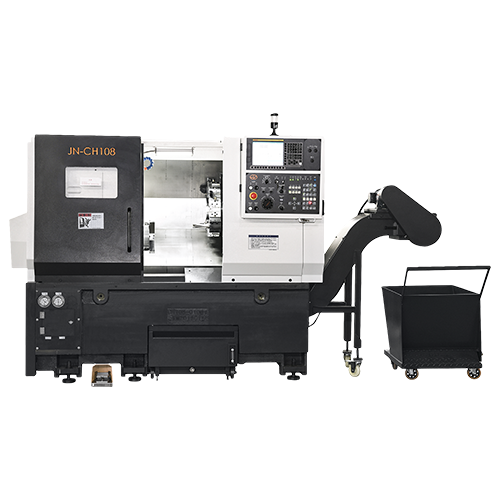
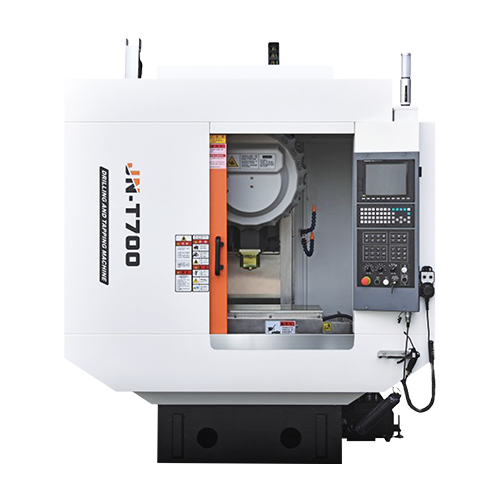
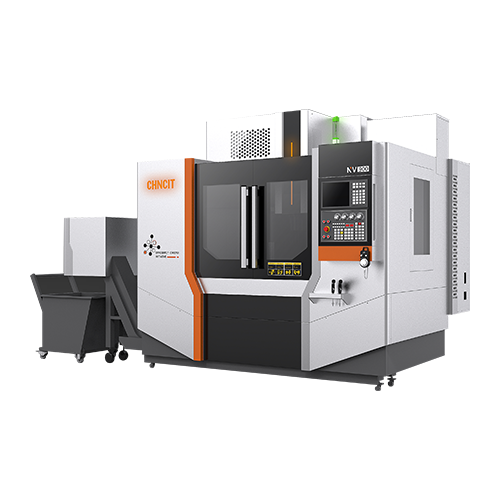
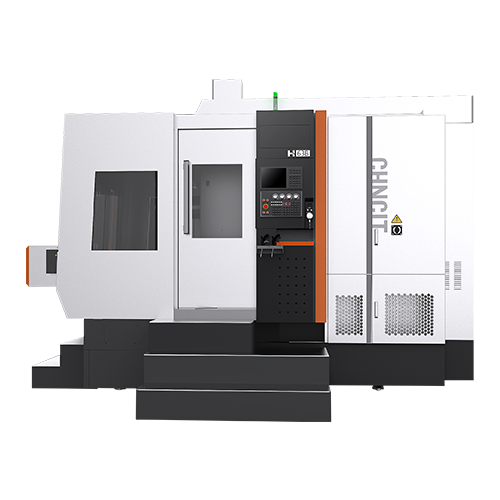
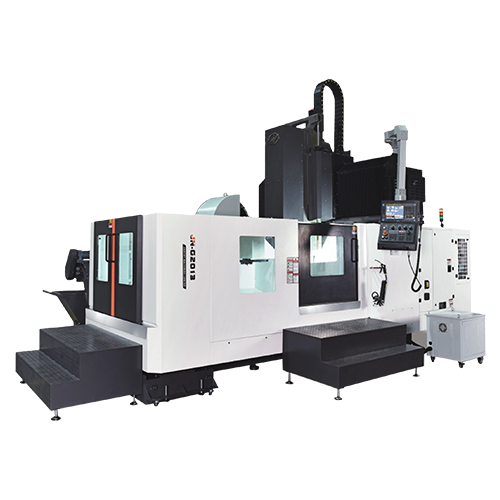
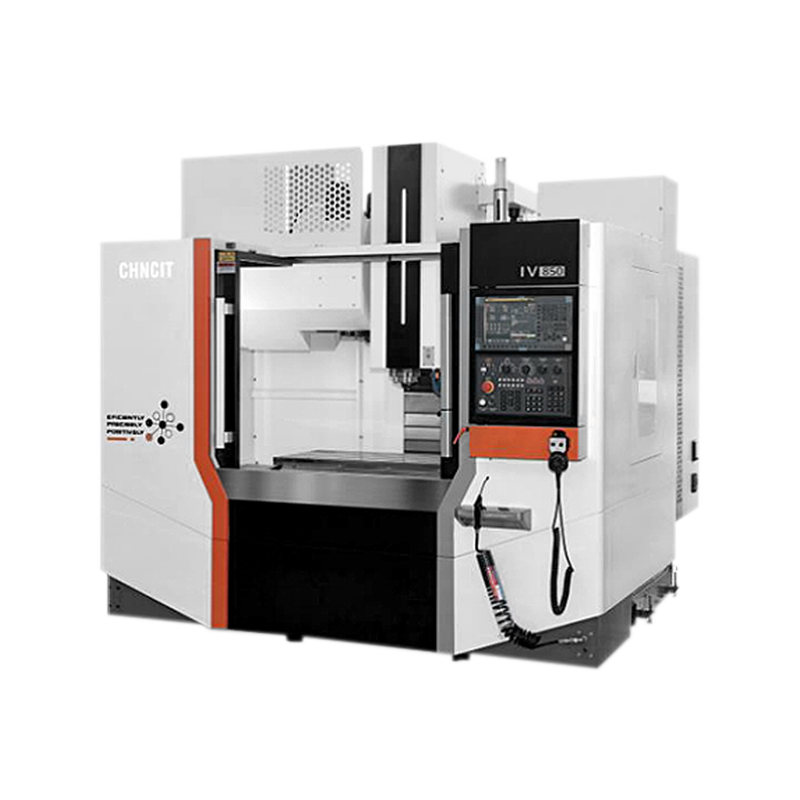
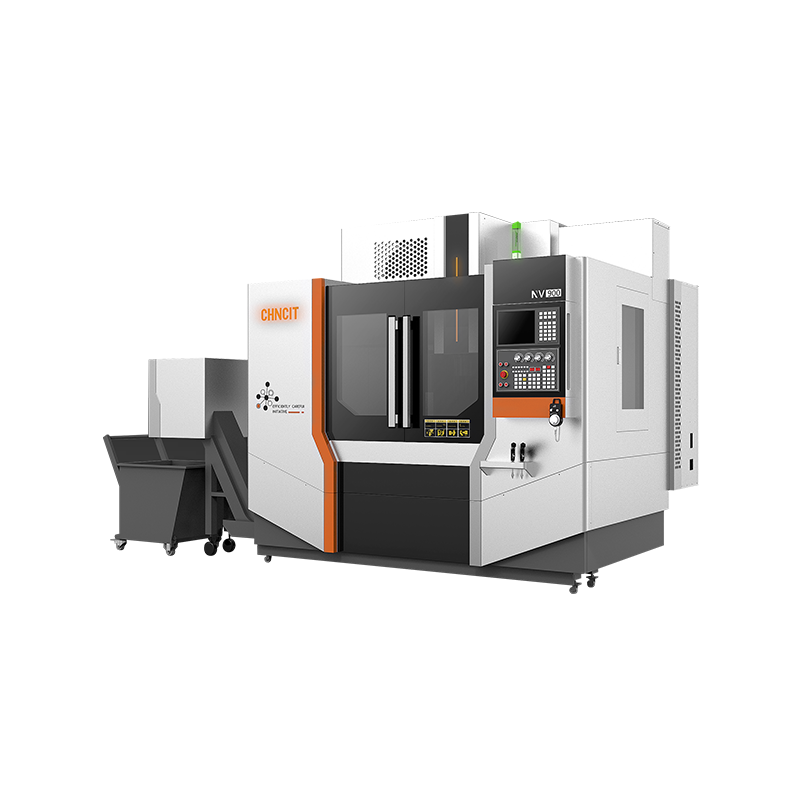
Machining flexibility for various operations like milling, drilling, and tapping;
High precision and efficiency;
Three system choices: Fanuc, mitsubishi, and siemens 828d, with standard original motors;
Belt or Direct type options available for specific product machining requirements.
VIEW MORE 

-
 WHATSAPP
 -
 INS
INS -
 WECHAT
Is Tool Slippage Common During CNC Drilling
Author: CHNCIT
Date: May 22, 2026
Tool slippage during drilling is a subtle problem that often goes unnoticed until parts are rejected or tools are damaged. CNC Mill Drill For Sale buyers frequently ask whether their machines can maintain secure tool engagement, especially during heavy-duty or high-speed drilling. A well-designed CNC Drilling Milling Machine addresses tool slippage through spindle torque control, precise tool holders, and proper clamping mechanisms.
Understanding Tool Slippage
Tool slippage occurs when the cutting tool rotates without fully transmitting torque to the workpiece. This can lead to:
- Inaccurate hole diameter
- Poor surface finish
- Increased tool wear
- Broken or chipped tools
- Potential spindle damage
Even minor slippage can accumulate over multiple holes, creating dimensional inconsistencies.
Common Causes
1. Improper Tool Holder Selection
A tool holder that does not match the spindle taper or torque requirements will fail to lock the tool securely. Common mistakes include:
- Using ER collets too loosely for large-diameter drills
- Incorrect taper fits
- Worn holder surfaces
At Jiangnan CNC Machine Tool Co., Ltd., each CNC Drilling Milling Machine is equipped with precision tool holders that maintain torque even under high-speed operation.
2. Excessive Cutting Load
Drilling materials with high hardness or thick sections can generate torque beyond the spindle’s grip. Small or flexible tools may slip under stress, especially during deep-hole drilling. Reducing feed per revolution or selecting a more rigid tool helps prevent slippage.
3. Spindle Torque and Clamping Issues
Low spindle torque settings or worn taper interfaces may not provide sufficient holding force. Modern CNC Mill Drill systems often include:
- Torque monitoring
- Automatic spindle load adjustment
- Coolant-assisted clamping to reduce heat-induced expansion
4. Tool Wear
A worn drill or end mill increases the friction between tool and holder, reducing clamping effectiveness. Regular inspection and replacement of worn tooling are essential.
5. Incorrect Feed and Speed
Overly aggressive RPM or feed rates may cause the drill to “jump” inside the holder. Many operators report that reducing spindle speed slightly and adjusting feed improves tool engagement and reduces slippage.
Prevention Strategies
- Precision Tool Holders: High-quality BT40/BT50 or ISO taper holders with balanced collets.
- Optimized Cutting Parameters: Adjust spindle RPM, feed rate, and axial depth for material type.
- Routine Maintenance: Inspect and clean the spindle taper, holder, and collets regularly.
- Torque Monitoring Systems: Some CNC Drilling Milling Machines include sensors to detect early slippage.
- Reduce Tool Overhang: Shorter stick-out reduces bending stress and improves torque transfer.
Practical Example
A factory producing aluminum panels experienced repeated slippage with 10 mm drill bits during high-speed CNC milling. By switching to a precision BT40 holder, reducing overhang from 80 mm to 50 mm, and adjusting feed rate, tool slippage was eliminated. Surface finish improved, tool life doubled, and production downtime decreased by 25%.
Additional Considerations
- Material Type: Hard metals like stainless steel require higher spindle torque and rigid holders.
- Drill Depth: Deep-hole drilling increases friction and bending, making secure holding essential.
- Machine Quality: Machines with stable spindle alignment, preloaded ball screws, and vibration damping reduce the risk of slippage.
Tool slippage is common in CNC drilling if equipment, tooling, and process parameters are mismatched. Selecting a high-quality CNC Mill Drill For Sale, like those from Jiangnan CNC Machine Tool Co., Ltd., with precision tool holders, vibration damping, and torque-optimized spindles, significantly reduces this risk.
Proper maintenance, tool selection, and cutting strategy ensure reliable hole quality, longer tool life, and consistent production output. Awareness and proactive measures are key to preventing tool slippage in both small-scale and industrial CNC operations.

Copyright © Jiangnan CNC Machine Tool Co., Ltd.
