


 简体中文
简体中文 English
 русский
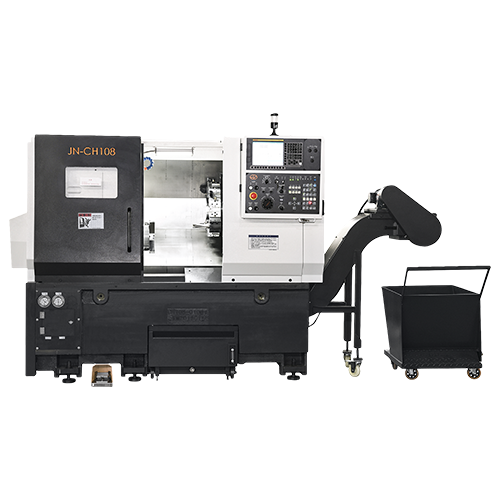
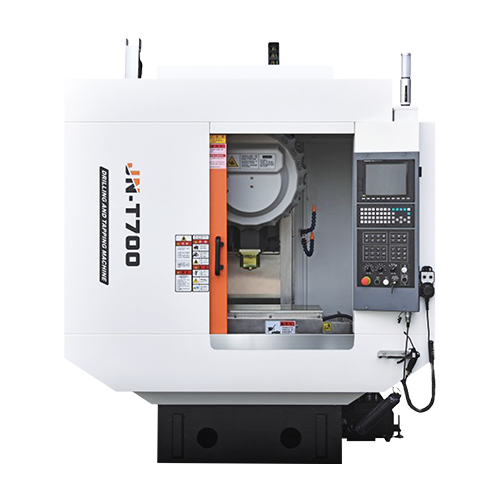
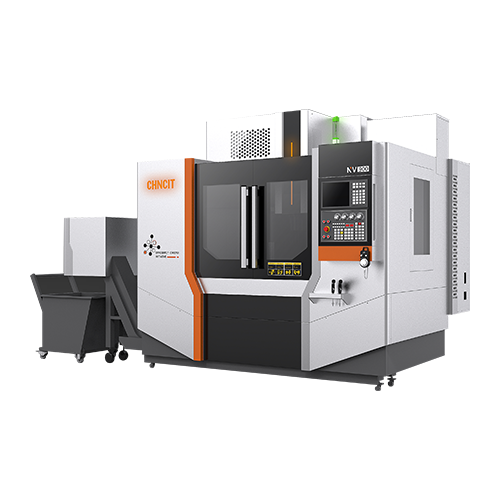
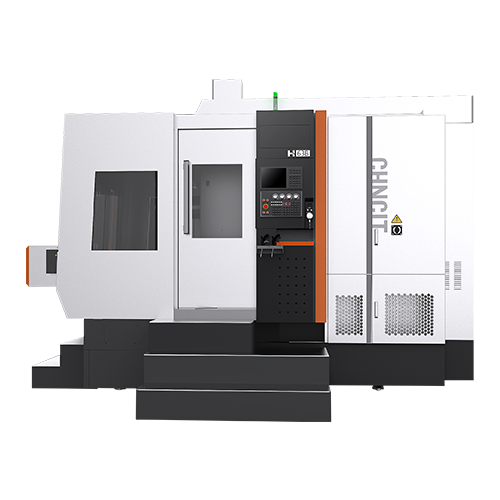
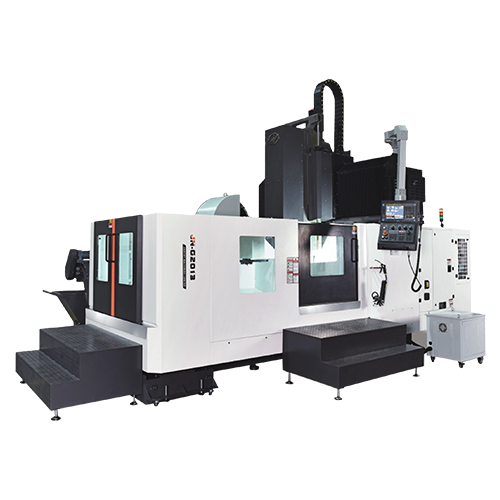
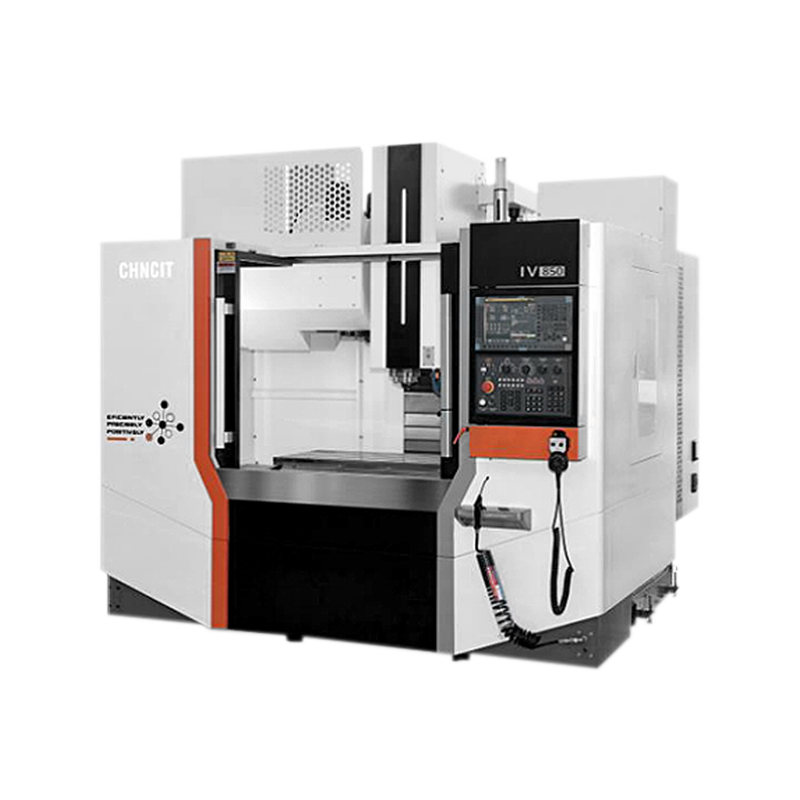
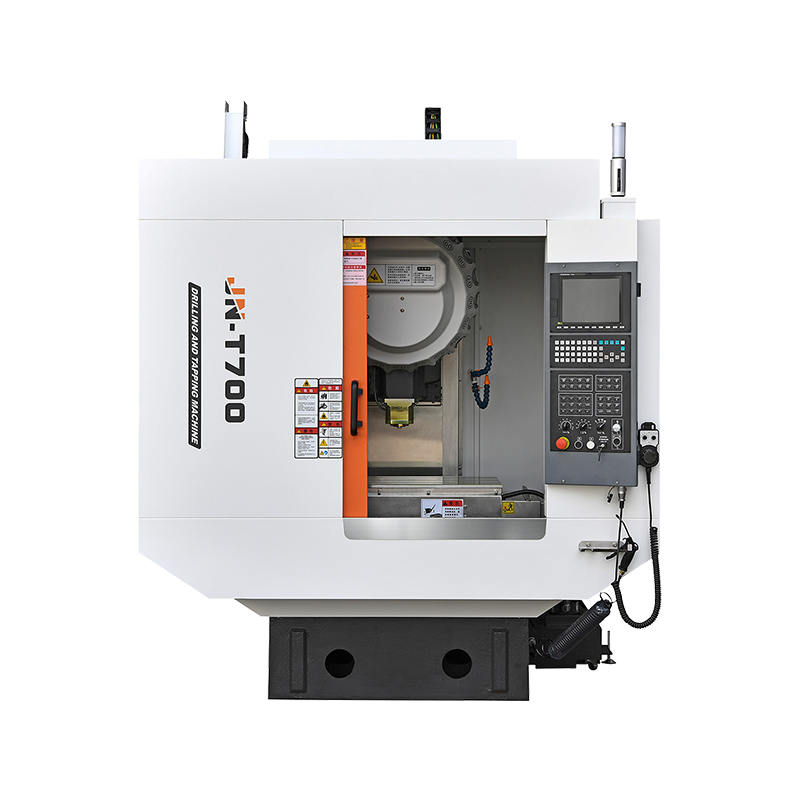
Machining flexibility for various operations like milling, drilling, and tapping;
High precision and efficiency;
Three system choices: Fanuc, mitsubishi, and siemens 828d, with standard original motors;
Belt or Direct type options available for specific product machining requirements.
VIEW MORE 

-
 WHATSAPP
 -
 INS
INS -
 WECHAT
Metal Lathe Machine Profitability in Small Shops
Author: CHNCIT
Date: Jan 23, 2026
When a CNC Lathe Factory contemplates expanding into different production scales, one common question emerges: can a Metal Lathe Machine also be a profitable asset in a small shop or garage-based business? Many machinists and small shop owners wonder about the economics of buying and operating a lathe on a limited scale, including costs, revenue potential, pricing strategy, and market demand.
1. Understanding Initial Investment and Operating Costs
Before any revenue is realized, small shop owners must consider the capital outlay and operating expenses associated with metal lathe machines.
Equipment Acquisition: Small manual or CNC lathes suitable for a shop can vary widely in price depending on size, capability, and technology. Basic machines may be acquired used or refurbished to lower upfront costs, while modern CNC units offer automation and precision that can justify a higher investment.
Supporting Equipment and Tooling: Accessories such as chucks, tooling, collets, and cutting tools represent ongoing expense and must be budgeted into total ownership cost.
Maintenance and Utilities: Regular maintenance, electricity, and consumables like cutting fluid contribute to operating costs. Over time, these influence the effective hourly cost to run the machine.
While industry data shows that capital equipment markets face profit rate pressures across the entire machine tool sector, including metal cutting machine tools, value returns are still possible with disciplined cost management.
2. Pricing Work and Generating Revenue Streams
Once the investment is made, generating revenue is essential to profitability. Small shops typically adopt one or more pricing strategies:
Hourly Rate Pricing: Charging customers an hourly rate that covers overhead, labor, and profit margin is common. For shops in some regions, rates can exceed typical labor costs when combining machine capacity with operator expertise.
Per-Part or Per-Job Pricing: Some small shops offer quotes based on part complexity, batch size, and finishing requirements. This creates clarity for customers and predictability for shop revenue.
Contract and Repeat Work: Winning recurring contracts for small batches from local manufacturers or hobby markets can stabilize revenue streams.
Online discussions among machinists confirm that many small shop owners have achieved consistent hours billed and annual revenue above typical part-time work by leveraging effective pricing and teambuilding.
3. Market Demand and Customer Acquisition
Profitability is not just about pricing; it’s about finding customers who value precision and timely delivery.
Local Demand: Small shops often start with local businesses that need quick turnaround on parts that larger shops cannot prioritize.
Niche Services: Specialized services such as custom threading, prototype machining, or small batch production on a metal lathe machine can command premium pricing.
Online Platforms and Outsourcing Networks: Some machine shops use online manufacturing platforms to advertise capacity, receive job requests, and secure orders without extensive marketing overhead. Real experiences show some operators achieving significant revenue by combining online leads with shop capacity.
Understanding your customer base and tailoring your services accordingly is a common theme among small business operators in machining spaces.
4. Balancing Profitability with Market Trends
It’s important to note that the broader industry context can influence profitability expectations. Recent industry reports highlight that overall profitability margins in the machine tool sector, which includes metal lathe machine production, have been challenged by price competition and cost pressures, with average profit margins varying across regions and manufacturers.
Nevertheless, smaller operations that manage overhead carefully, differentiate their services, and leverage efficient workflows can still find metal lathe machining profitable, even if industry averages may indicate tightening margins at the manufacturing level.
5. Efficiency and Productivity Improvements
Profit potential also increases when shops focus on reducing operational inefficiencies:
Process Optimization: Standardizing setups, reducing changeover times, and applying lean practices reduce costs per part.
Training and Skill Development: Investing time into operator training improves output quality, reduces scrap, and enhances customer satisfaction.
Leveraging Technology: Even in small shops, incorporating CNC capabilities on lathe machines can shorten production cycles and expand the complexity of parts that can be machined, widening the range of billable services.
For example, shops that use well-maintained CNC lathe units can take on jobs that require precise surface finishes or complex tool paths—services that may attract higher rates than basic manual turning.
If you are evaluating how to position your machining services or want tailored insights on lathe machine economics, consider consulting industry resources or professional advisors. For tailored machine recommendations, companies like Jiangnan CNC Machine Tool Co., Ltd. can provide guidance on equipment selection and setup to support your business goals.

Copyright © Jiangnan CNC Machine Tool Co., Ltd.
