


 简体中文
简体中文 English
 русский
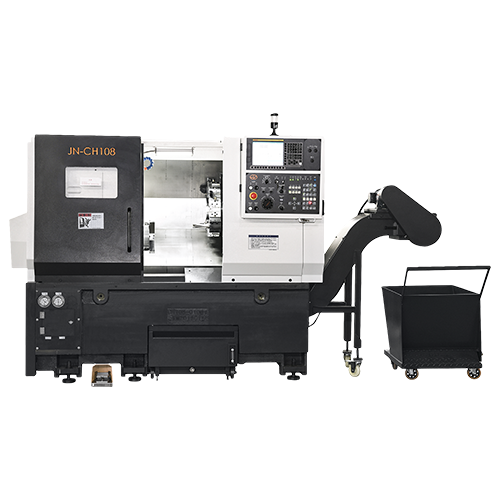
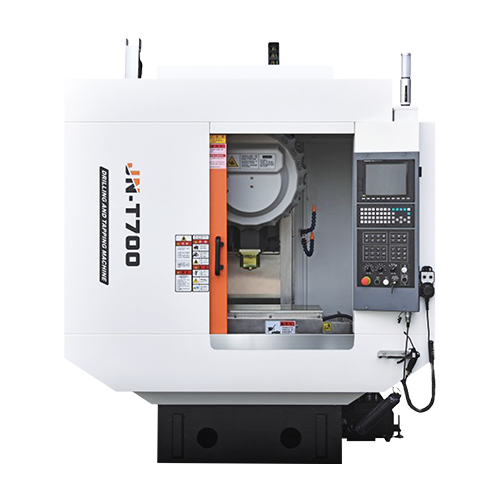
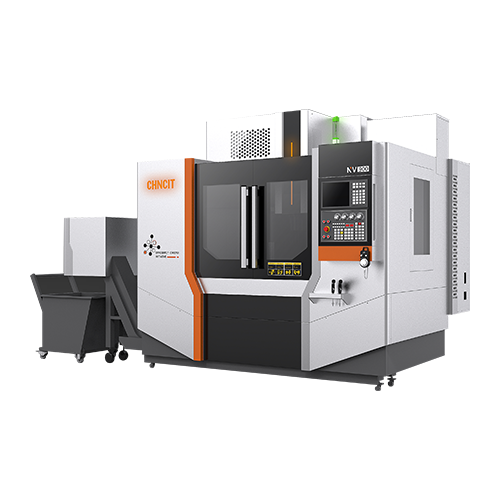
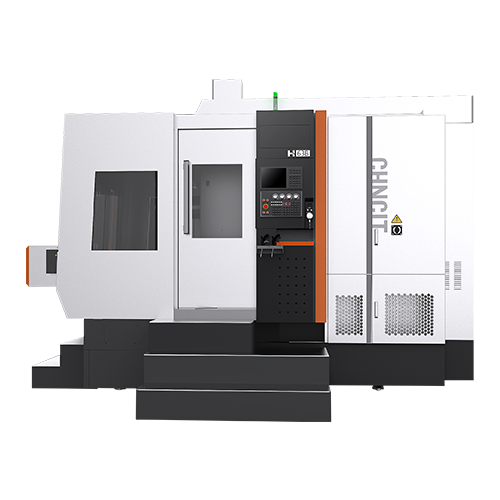
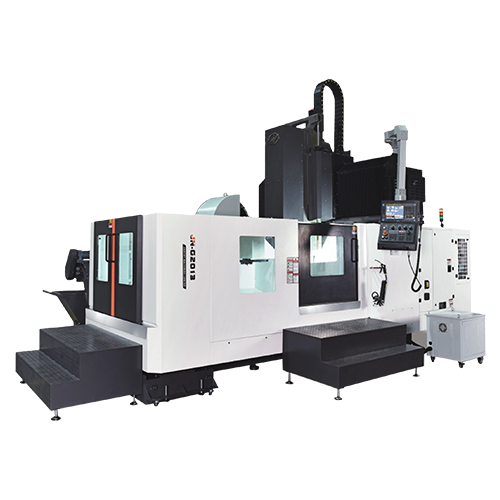
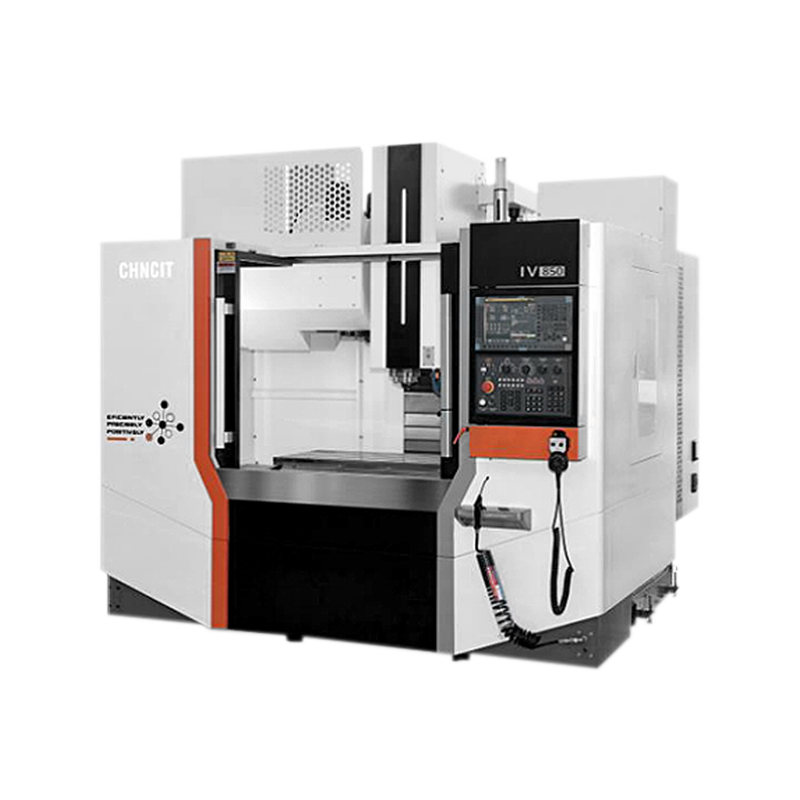
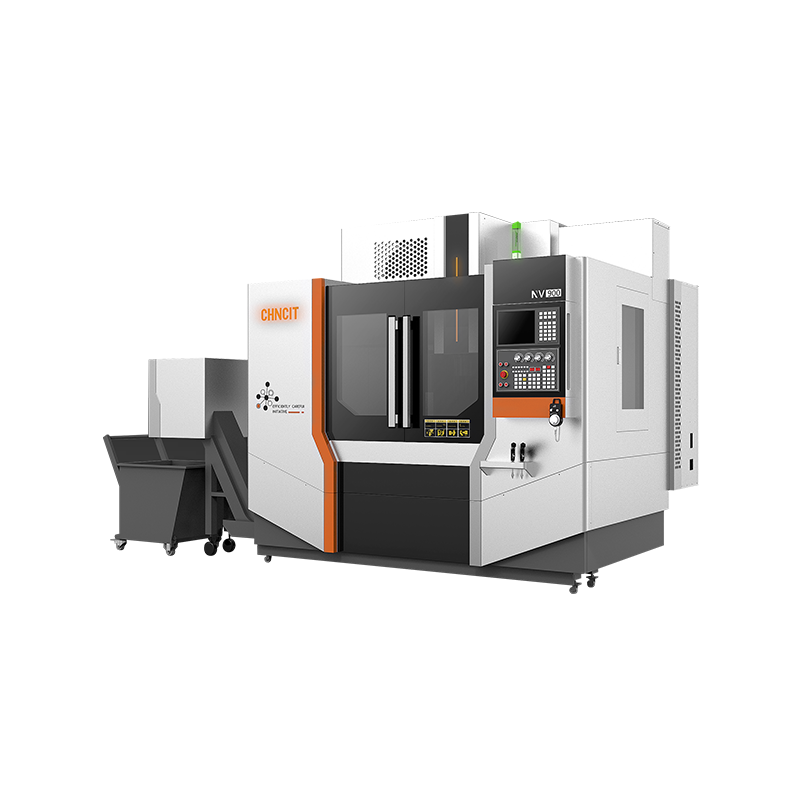
Machining flexibility for various operations like milling, drilling, and tapping;
High precision and efficiency;
Three system choices: Fanuc, mitsubishi, and siemens 828d, with standard original motors;
Belt or Direct type options available for specific product machining requirements.
VIEW MORE 

-
 WHATSAPP
 -
 INS
INS -
 WECHAT
Why Are More Manufacturers Replacing Older Equipment with Modern Vertical Systems?
Author: CHNCIT
Date: Jun 05, 2026
As manufacturing facilities face rising labor costs, tighter production schedules, and increasing demands for consistency, many buyers are reassessing their equipment investments. One topic gaining attention across industry forums and procurement discussions is how a Vertical Machine Factory can help improve production efficiency while reducing floor space requirements. Whether producing metal components, plastic parts, packaging materials, or customized industrial products, companies are searching for equipment that delivers stable performance without adding unnecessary complexity.
The Growing Challenge of Limited Factory Space
One of the most common concerns among factory managers today is maximizing output within existing facilities. Expanding a plant is expensive, and relocating operations often disrupts production.
Vertical machine designs have become increasingly popular because they utilize vertical space more effectively. Compared with some traditional layouts, they can help manufacturers organize workflows more efficiently while maintaining accessibility for operators and maintenance teams.
For buyers planning capacity expansion, machine footprint has become nearly as important as production speed.
Why Production Stability Matters More Than Maximum Speed
In recent years, manufacturers have shifted their focus from peak output numbers to long-term operational stability. Frequent downtime, inconsistent product quality, and excessive maintenance often create larger costs than slower production rates.
A well-designed vertical system offers several advantages:
- Consistent operational performance
- Improved machine rigidity
- Better process repeatability
- Reduced vibration during production
- Easier monitoring of critical processes
As a manufacturer, we often find that customers prioritize reliability because stable production schedules directly impact delivery commitments and customer satisfaction.
Automation Is No Longer Optional
Across North America, Europe, and Southeast Asia, manufacturers are investing heavily in automation to address labor shortages and improve efficiency.
Modern vertical equipment can be integrated with:
- Robotic loading systems
- Automated material feeding
- Vision inspection systems
- Data monitoring platforms
- Smart factory management software
These capabilities allow factories to collect production data in real time and make informed decisions based on actual operating conditions rather than estimates.
Energy Efficiency Has Become a Purchasing Priority
Industrial buyers are increasingly asking detailed questions about energy consumption before approving equipment purchases.
Electricity costs continue to influence manufacturing profitability, especially in energy-intensive industries. New-generation vertical machinery is often designed with optimized drive systems, intelligent control technologies, and more efficient power management strategies.
When evaluating equipment suppliers, buyers frequently request information regarding operating efficiency, maintenance intervals, and total ownership costs rather than focusing solely on initial purchase prices.
What Buyers Should Evaluate Before Selecting a Supplier
Choosing machinery involves more than reviewing specifications. Experienced procurement teams typically evaluate several critical factors:
Technical Support Capabilities
Can the supplier provide installation guidance, operator training, and troubleshooting assistance?
Customization Experience
Can the equipment be adapted to specific production requirements?
Spare Parts Availability
How quickly can replacement components be delivered?
Manufacturing Capacity
Can the supplier support future expansion projects?
Quality Control Procedures
Does the supplier follow documented inspection and testing processes?
These factors often determine whether a machine becomes a long-term asset or an ongoing operational challenge.
The Importance of Long-Term Service Support
A machine purchase is only the beginning of the partnership. Buyers increasingly seek suppliers that can provide ongoing technical support throughout the equipment lifecycle.
As a manufacturing partner, we understand that customers expect prompt communication, practical solutions, and reliable service after installation. Effective support minimizes downtime, improves productivity, and helps manufacturers maintain competitive operations in rapidly changing markets.
Companies investing in production upgrades are paying closer attention to supplier responsiveness because unexpected interruptions can affect entire supply chains.
Smart Manufacturing Continues to Drive Demand
Industry trends indicate that automation, digital monitoring, predictive maintenance, and space-efficient production systems will remain key investment priorities over the next several years. Manufacturers are under constant pressure to improve productivity while maintaining quality standards and controlling operational costs.
For businesses evaluating equipment upgrades, working with an experienced Vertical Machine Factory can provide access to solutions designed for modern production environments. The right machinery investment not only supports current manufacturing goals but also creates flexibility for future growth, helping companies remain competitive in an increasingly demanding global market.

Copyright © Jiangnan CNC Machine Tool Co., Ltd.
