


 简体中文
简体中文 English
 русский
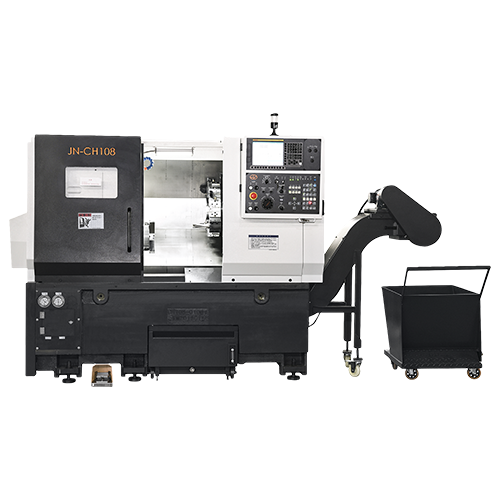
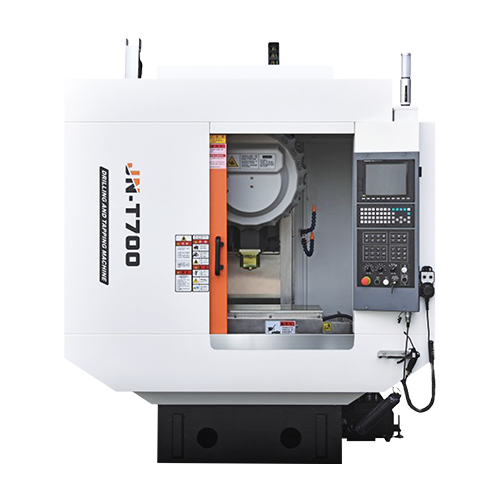
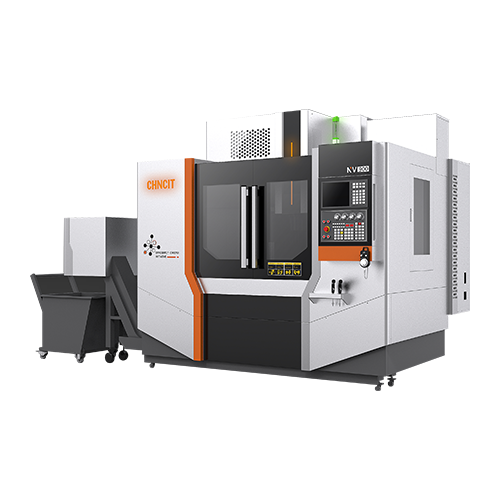
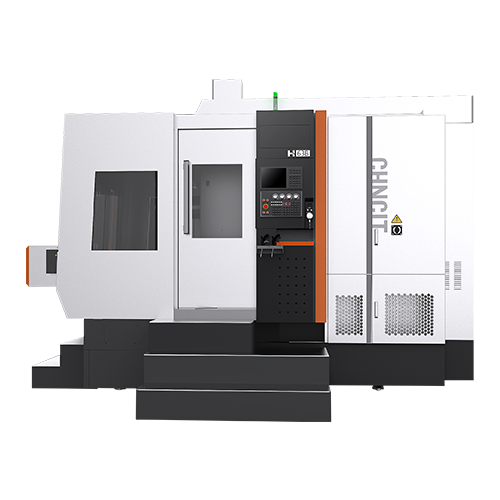
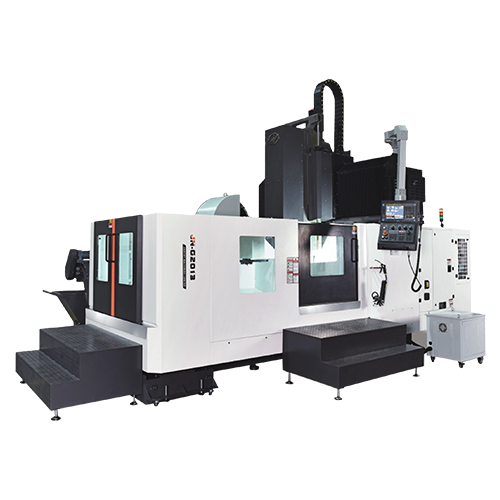
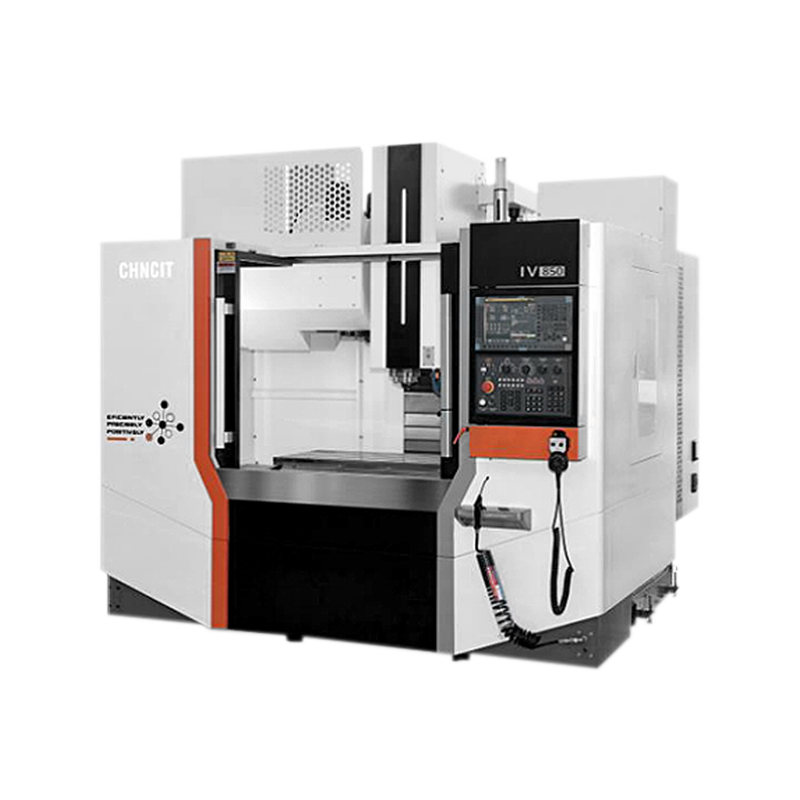
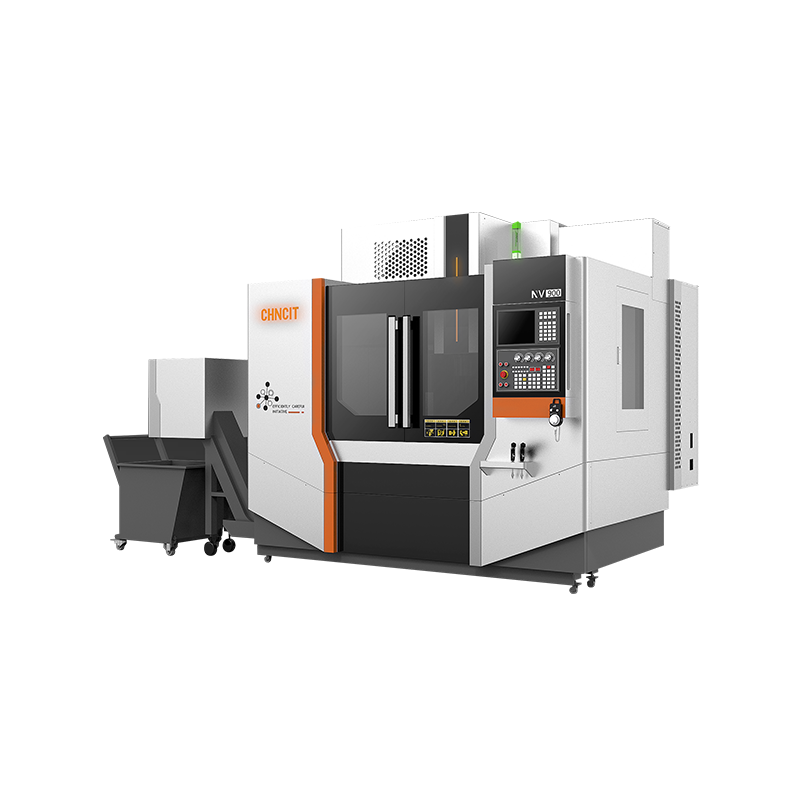
Machining flexibility for various operations like milling, drilling, and tapping;
High precision and efficiency;
Three system choices: Fanuc, mitsubishi, and siemens 828d, with standard original motors;
Belt or Direct type options available for specific product machining requirements.
VIEW MORE 

-
 WHATSAPP
 -
 INS
INS -
 WECHAT
How to Solve Chip Issues in Horizontal Machining Centers
Author: CHNCIT
Date: Mar 13, 2026
Chip management is a practical concern for engineers and operators working with CNC Horizontal Machining Center systems, especially in high-volume production or deep drilling tasks. When chips are not efficiently removed from the cutting zone and machine table, they can lead to tool breakage, surface damage, coolant problems, or even unexpected machine stops. Understanding why chips accumulate and exploring workable solutions helps shops keep productivity high and reduce unplanned downtime in Horizontal Machining Centers environments.
In many horizontal setups, chips do not simply fall straight down as they might in vertical machines. The horizontal spindle orientation is intended to promote better chip evacuation, but users still report difficulty when machining materials that produce long, stringy chips, like aluminum or stainless steel, or when the coolant pressure is too low to flush debris effectively.
What Chip Issues Look Like
Signs that chip evacuation isn’t working well often include visible clogging of flutes, chips interfering with the cutting path, and even higher cutting forces reported by controls or operators. When chips remain in the flutes of an end mill or drill, they prevent proper coolant flow and create resistance at the cutting edge, which speeds up tool wear and increases the risk of tool breakage.
In horizontal machines with poor evacuation, chips can build up on the worktable or in the way covers, potentially cobbling together into “bird’s nests.” These nests may jam into moving parts, trap coolant, or even cross over into the spindle or tool changer area, making it difficult for automatic operations to continue smoothly.
Adjust Speeds, Feeds, and Cutting Strategy
One commonly discussed approach to improve chip control focuses on adjusting cutting parameters. Users often find that increasing feed rates slightly can encourage smaller, more controllable chip formation rather than long, continuous chips that tangle easily. Combined with correct speeds and feeds, a programmed chip breaking strategy such as controlled pecking in drilling operations can help break chips into shorter segments that are easier to evacuate.
Ensuring your CAM software uses cycles that focus on chip control — such as advanced drilling cycles with retraction moves — can also help. Some operators manually write custom macros to retract more aggressively, which promotes chip clearance during deep hole machining.
Coolant and Conveyor Enhancements
Coolant flow plays a crucial role in chip evacuation. Users with insufficient coolant pressure often report that chips linger or wrap around the tool rather than being flushed away. Upgrading to a higher-pressure coolant system, or ensuring that the tool holder and coolant nozzle deliver coolant directly to the cutting face, helps chips evacuate more effectively.
In addition, many Horizontal Machining Centers can be equipped with specialized chip conveyors or trays to physically remove chips from the machine area. These systems catch and convey chips away from the work table, reducing the likelihood of buildup that interferes with motion axes or coolant trays. Clearing chips regularly from way covers and the table surface also improves visibility and machine health.
Operator Practices and Shop Standards
Operators who are aware of chip behavior can make a big difference in productivity. Clearing chips before they accumulate, verifying that coolant nozzles are not blocked, and maintaining chip conveyor function are simple but effective daily routines. Many shops also organize waveform diagrams or alarms when chips accumulate in dangerous amounts, which triggers cleaner cycles before issues arise.
At Jiangnan CNC Machine Tool Co., Ltd., our technical support team emphasizes training operators to recognize early signs of chip evacuation problems and adopt proactive practices. Regular housekeeping of machine surfaces and timely checks of coolant filters, pumps, and hoses helps prevent chip buildup from escalating into costly stoppages or tool failures.
Machine Design Considerations
Beyond shop practices, some Horizontal Machining Centers are designed with chip management features built into their base structure. Angled bed surfaces, larger conveyor footprints, and flood coolant systems aimed at chip flushing give these machines an advantage in challenging materials or high volume production. While design alone doesn’t eliminate all chip issues, it supports better performance with consistent maintenance and programming standards.
Turning Chip Chaos into Control
Chip issues in Horizontal Machining Centers do not have to cripple a production line. By understanding common chip behavior — like stringy chips in certain materials, insufficient coolant pressure, or clogged flute patterns — teams can adopt solutions ranging from parameter optimization to hardware upgrades. Regular checks, proactive housekeeping, and enhanced coolant strategies all contribute to a cleaner cutting space, better tool life, and more predictable machining results.
Whether you’re drilling deep holes or performing complex milling routines, recognizing and resolving chip evacuation challenges improves overall machining stability and quality. Good chip management not only protects tools and machine integrity but also supports continuous, efficient operation — a key component of reliable Horizontal Machining Centers performance in any shop.

Copyright © Jiangnan CNC Machine Tool Co., Ltd.
