


 简体中文
简体中文 English
 русский
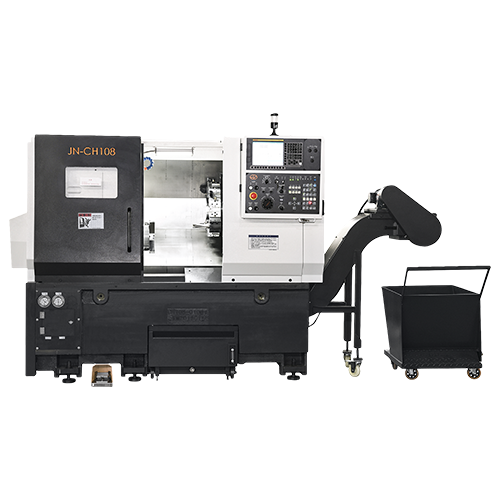
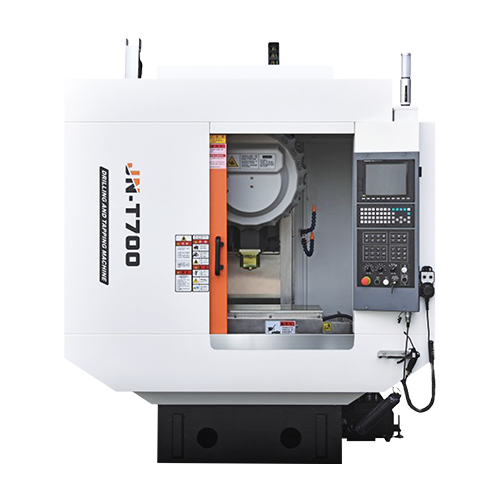
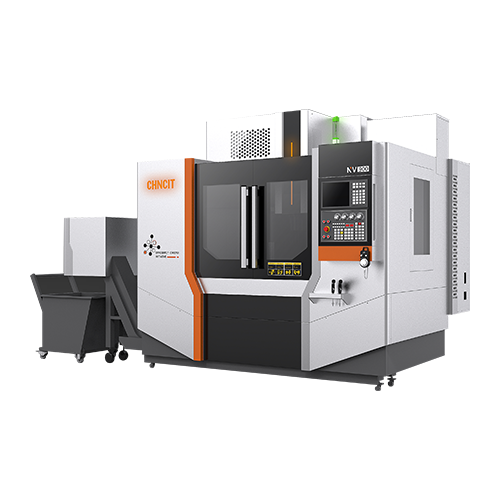
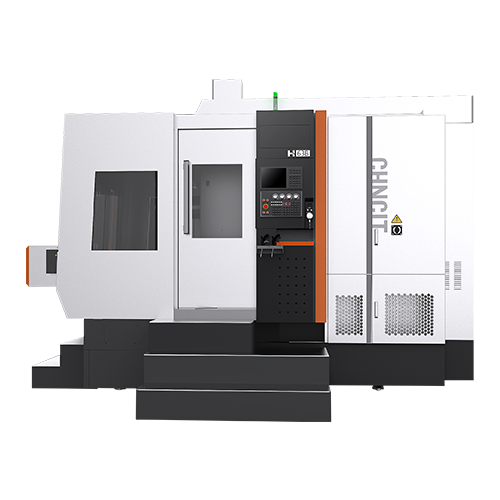
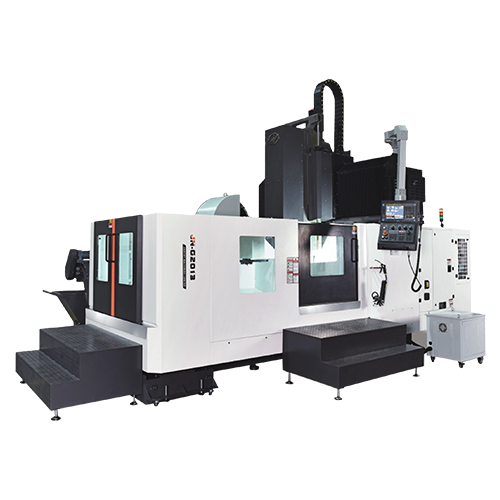
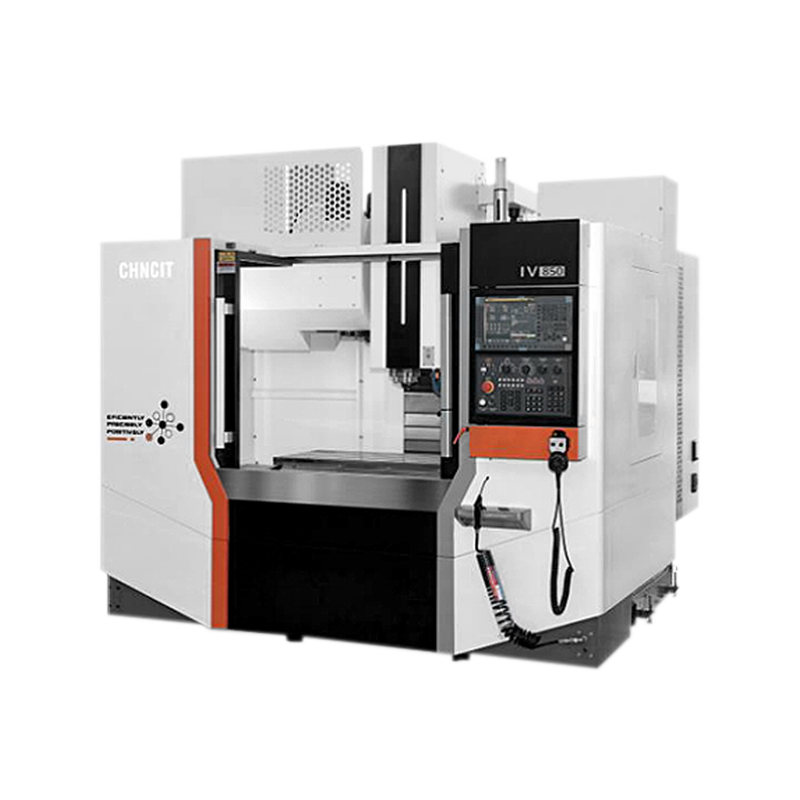
Machining flexibility for various operations like milling, drilling, and tapping;
High precision and efficiency;
Three system choices: Fanuc, mitsubishi, and siemens 828d, with standard original motors;
Belt or Direct type options available for specific product machining requirements.
VIEW MORE 

-
 WHATSAPP
 -
 INS
INS -
 WECHAT
Why Do CNC Horizontal Machining Centers Fail Often
Author: CHNCIT
Date: Mar 06, 2026
CNC Horizontal Machining Center performance issues are often a top concern for manufacturers and shops that rely on precision production. Many users notice that horizontal machines often experience frequent glitches in surface quality and dimensional accuracy, or even unexpected stoppages, during long production runs. Understanding the common causes behind these failures helps shops and engineers troubleshoot problems effectively and optimize their workflow with confidence.
It’s important to recognize that Horizontal Machining Centers come with complex mechanics, control systems, and programming logic. A single anomaly in any of these systems can disrupt the machining process, especially when parts must meet tight tolerances or complex geometries. At Jiangnan CNC Machine Tool Co., Ltd., we focus on helping customers identify practical solutions for common issues, from chip management to controller communication errors.
Programming Errors and Control System Faults
One of the most frequently cited reasons for failure in CNC horizontal machining centers is related to the machine program itself. A slight typo, incorrect coordinate system setup, or wrong feed and speed values can easily lead to incorrect dimensions or surface finish problems on the workpiece. Many controllers today incorporate advanced error detection, but human input remains a critical point of vulnerability.
On top of that, communication errors between the control system and machine components — like servo drives or axis encoders — can introduce irregular motion or unresponsive behavior. Loose cables, outdated software versions, or corrupted parameters can sometimes lead to intermittent failures that are hard to diagnose without careful inspection.
Chip and Debris Management Challenges
Another common issue users raise concerns chip accumulation in horizontal machining centers. Unlike vertical machines, where chips fall down naturally, horizontal setups can trap long chips along the work surface and guides. These chips may scratch finished surfaces or interfere with the spindle and tool changer mechanisms if not cleaned properly.
Effective chip evacuation systems — including angled conveyors, coolant flow strategies, and manual clearing procedures — significantly reduce the chances of damage or unexpected machine halt. Many operators find it helpful to pair routine manual checks with automated chip clearance to maintain consistent production quality.
Surface Finish Issues and Dimensional Inaccuracy
Poor surface finish or unexpected dimensional error is another form of failure that operators often report with horizontal machining centres. These symptoms can arise from worn bearings, unbalanced tooling, or incorrect feed rates. Machine vibration during cutting negatively impacts both finish and accuracy, prompting tool wear and possible part rejection.
Routine mechanical upkeep — such as lubrication, alignment checks, and spindle inspection — not only reduces failures but also ensures smoother operations over time. Unexpected temperature changes within the machine’s components can also lead to dimensional drift, especially during long machining cycles. Compensating for thermal expansion through environmental control or CNC compensation algorithms is a strategy many advanced shops adopt.
Maintenance Practices and Operator Training
Many shops underestimate the role of maintenance and operator competence. Poor maintenance often leads to buildup of debris, inadequate lubrication, and eventual malfunction of moving machine parts. Regular cleaning, component inspection, and scheduled servicing help mitigate these risks.
Equally important is training operators in both programming and mechanical understanding. Without a solid grasp on how the machine moves and reacts to different commands, even skilled machinists might fail to catch subtle indications of upcoming problems.
Improving Reliability Through Awareness
Failure in a horizontal machining centre doesn’t always point to fault in the machine itself — it frequently highlights gaps in programming, chip management, maintenance, or training. By systematically examining potential triggers and implementing preventive strategies, manufacturers can significantly reduce downtime and improve output quality.
Shops that prioritize thorough inspections, precise control program review, and disciplined housekeeping generally see fewer failures and longer machine lifespans. Whether you’re running daily production batches or critical prototyping work, understanding why CNC horizontal machining centers fail often is the first step toward running smoother, more predictable operations.

Copyright © Jiangnan CNC Machine Tool Co., Ltd.
