


 简体中文
简体中文 English
 русский
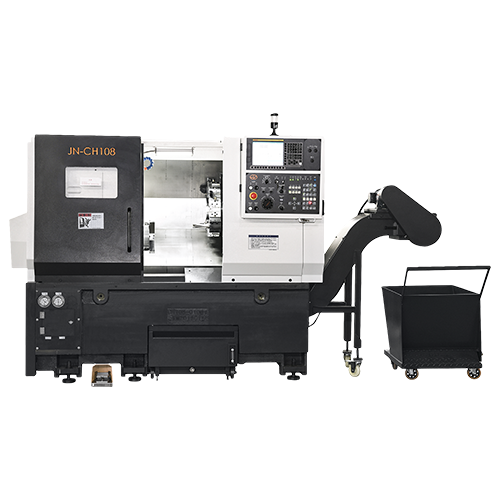
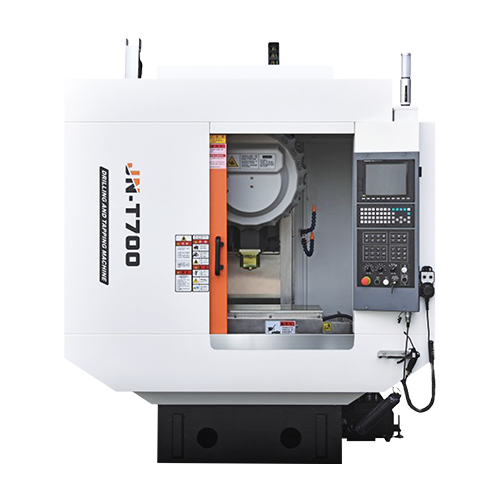
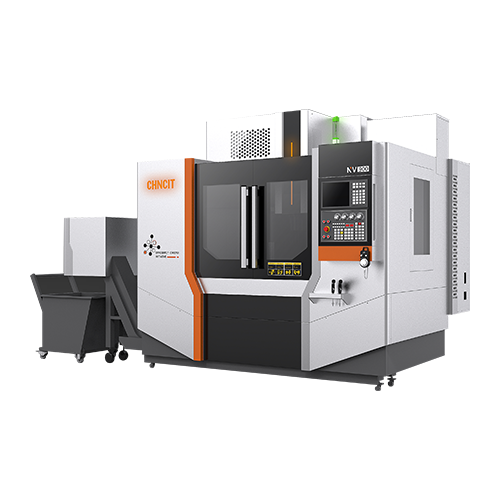
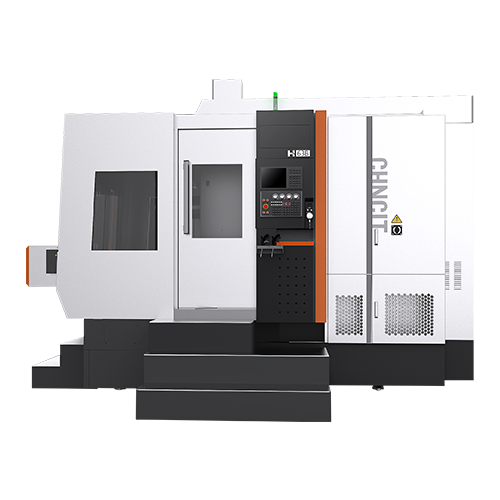
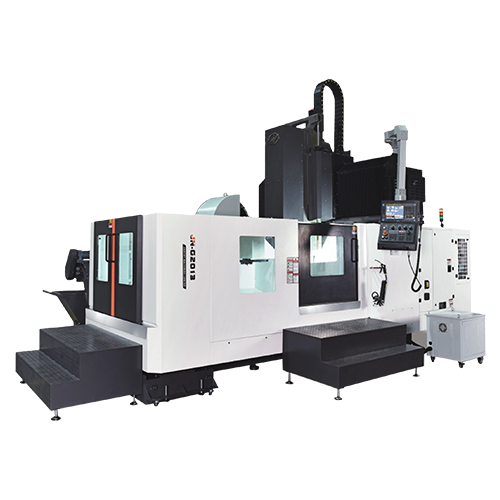
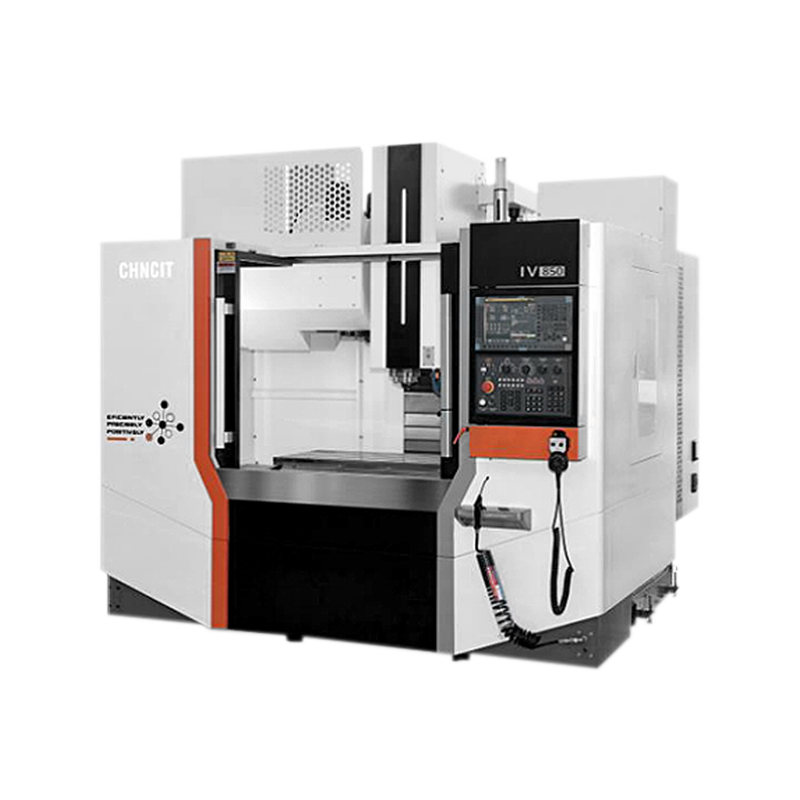
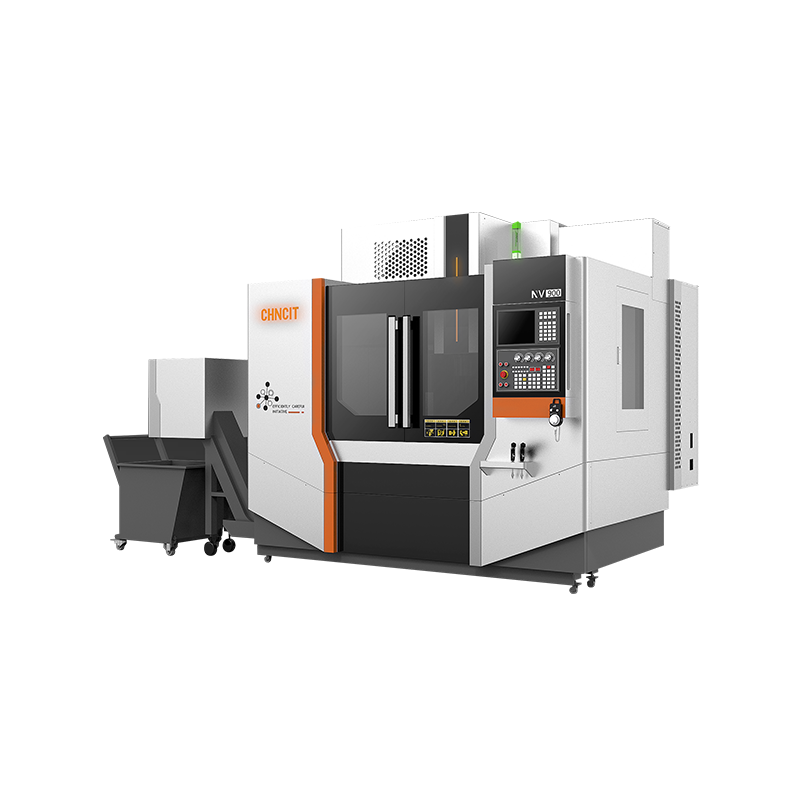
Machining flexibility for various operations like milling, drilling, and tapping;
High precision and efficiency;
Three system choices: Fanuc, mitsubishi, and siemens 828d, with standard original motors;
Belt or Direct type options available for specific product machining requirements.
VIEW MORE 

-
 WHATSAPP
 -
 INS
INS -
 WECHAT
Why Do CNC Mill Drills Lose Accuracy
Author: CHNCIT
Date: May 29, 2026
Precision is at the heart of CNC machining, yet even the most advanced CNC Mill Drill For Sale may occasionally produce parts that fail to meet tight tolerances. Accuracy loss can affect drilling position, hole diameter, and surface finish, creating production challenges. A CNC Drilling Milling Machine must balance mechanical stability, tool integrity, and control system precision to ensure consistent results.
Key Factors Leading to Accuracy Loss
1. Mechanical Backlash
- Ball screw backlash and worn linear guides can cause positioning errors.
- Example: A 0.02 mm backlash in the X-axis may result in hole misalignment for small components.
- Solution: Use preloaded ball screws and high-precision linear guideways.
2. Thermal Expansion
- CNC machines generate heat during long runs.
- Spindles, ball screws, and guideways expand unevenly, causing minor but critical deviations.
- Mitigation:
- Water-cooled spindles
- Temperature-compensated ball screws
- Environmental control in workshops
3. Vibration and Chatter
- External vibration from milling or drilling affects positional stability.
- Excessive chatter leads to hole tapering or oversize cuts.
- Real-world data: Machines with damping features reduce dimensional deviation by up to 30%.
- Solution: Damping pads, heavier machine beds, and vibration monitoring systems.
4. Tool Wear
- Dull or worn drills and end mills produce inaccurate cuts.
- Example: A 10 mm drill with a worn tip may oversize holes by 0.05 mm.
- Prevention: Tool monitoring systems, periodic inspection, and replacement schedules.
5. Improper Workholding
- Flexible fixtures or uneven clamping allow micro-movement during cutting.
- Effects: misaligned holes, tapered slots, and inconsistent surfaces.
- Recommendation: Use hydraulic vises, soft jaws, or vacuum tables for delicate parts.
Case Study: Aluminum Panel Machining
A client producing aluminum panels experienced ±0.03 mm deviation on 50 mm-deep holes. Investigation revealed:
| Factor | Observed Issue | Solution Implemented | Result |
| Ball screw | Minor backlash | Preloaded ball screw replacement | ±0.008 mm repeatability |
| Spindle | Thermal expansion | Air-cooled spindle + rest periods | Reduced drift during long runs |
| Workholding | Flexible vise | Replaced with hydraulic fixture | Eliminated micro-movement |
| Tool | Drill wear | Scheduled tip replacement | Consistent hole diameter |
After these adjustments, the CNC Drilling Milling Machine consistently achieved ±0.01 mm hole accuracy.
Control System and Software
- Controller precision matters: Siemens, FANUC, and other high-end CNC controllers maintain tight synchronization across axes.
- Compensation algorithms correct minor deviations caused by backlash or thermal drift.
- Jiangnan CNC Machine Tool Co., Ltd. machines incorporate intelligent compensation for higher accuracy during prolonged operation.
Operator Skill
- Even with advanced machines, operator setup is crucial.
- Proper alignment, zero-point calibration, and tool offset verification prevent cumulative errors.
- Continuous monitoring of spindle load and machine vibration allows timely correction before significant accuracy loss occurs.
Proper attention to these factors ensures high repeatability and dimensional precision. Even complex tasks like deep-hole drilling or multi-axis milling remain within tight tolerance limits.
Accuracy loss is rarely due to a single factor; addressing multiple contributing issues simultaneously guarantees consistent and reliable production output.

Copyright © Jiangnan CNC Machine Tool Co., Ltd.
